

Wildfire Resilience Index Provides New Interactive Tool to Support Communities and Landscapes Living with Fire
Wildfire Resilience Index is Now Live — Providing a New Interactive Tool to Support Communities and Landscapes Living with Wildfire
May 5, 2026 – The Wildfire Resilience Index launched as an open source, free, interactive tool designed to support communities and landscapes living with wildfire in 12 Western US states, British Columbia, and the Yukon Territory. Users can look up any census tract, county, or congressional district and get a resilience score — broken down by eight socio-ecological domains and split into resistance and recovery components to see not just how resilient a place is, but why, and what to do about it. The index is designed to inform land management, policy planning, and community preparedness by supporting evidence-based decisions that enhance safety and ecosystem sustainability. The index offers flexible insights that communities can adapt to their unique needs. It highlights where resilience can be strengthened-whether through vegetation management, infrastructure planning, community preparedness, or other targeted actions.

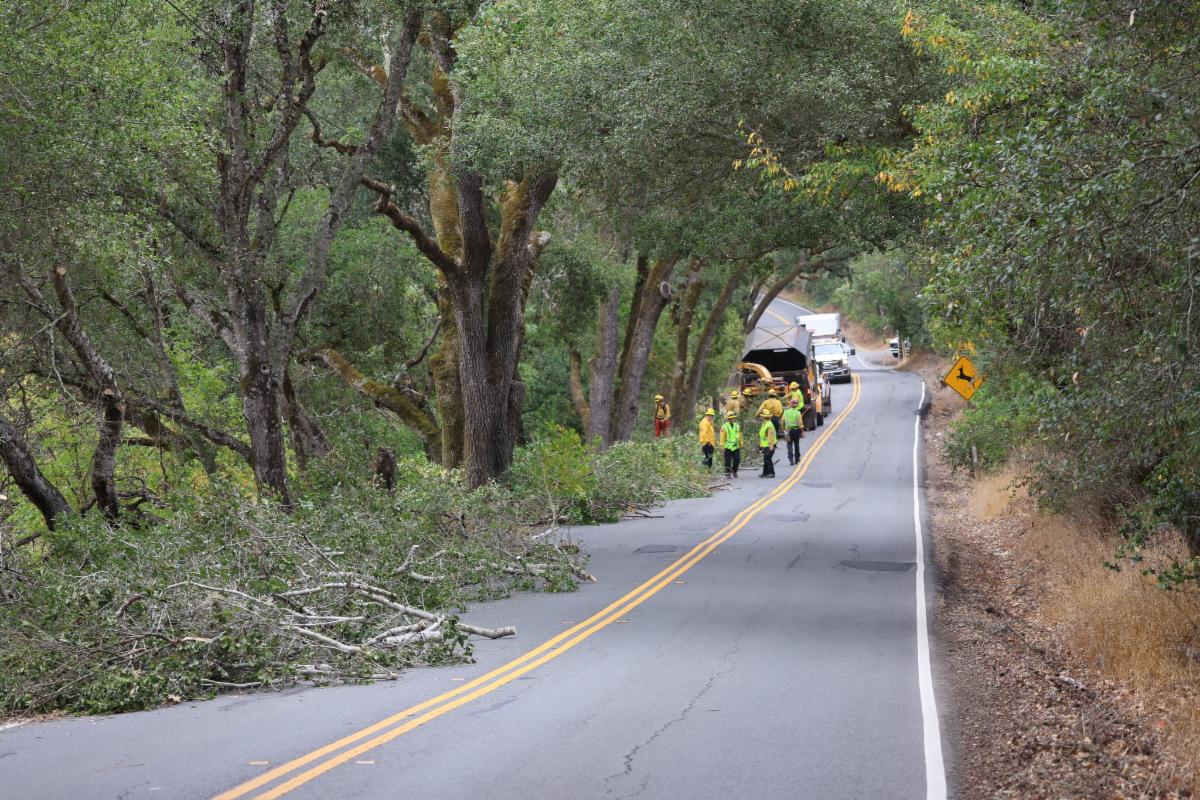
CAL FIRE Announces $100 Million in Funding to Increase Community and Landscape Wildfire Resilience
CAL FIRE Announces $100 Million in Funding to Increase Community and Landscape Wildfire Resilience
$70 Million to Help Communities Strengthen Wildfire Resilience:
May 7, 2026 — CAL FIRE announced the availability of up to $70 million in funding for community-focused wildfire prevention and resilience projects. Funded projects will support locally led efforts that reduce wildfire risk, strengthen preparedness, and help protect lives, property, and critical infrastructure. Eligible activities include hazardous fuels reduction, wildfire prevention planning, and wildfire prevention education aimed at increasing readiness and reducing wildfire ignition potential. Projects that also deliver carbon‑reduction benefits will receive additional consideration. Completed applications must be submitted by 3:00 p.m. on July 8, 2026.
$30 Million for Regional Wildfire and Landscape Resilience:
May 13, 2026 — CAL FIRE announced the availability of up to $30 million through a new Regional Wildfire and Landscape Resilience Grant Program funded by the 2024 California Climate Bond (Proposition 4). The program aims to accelerate landscape-scale, regionally appropriate activities that strengthen local capacity, improve landscape health and resilience, and reduce wildfire risk to communities. By anchoring funding in a local context, these grants encourage regions to move beyond one-size-fits-all solutions and instead tailor strategies to unique challenges and opportunities. Priority will be given to projects that leverage funding from multiple sources to maximize public benefits, build regional capacity to develop and deliver future resilience projects, and reflect broad stakeholder engagement, including meaningful tribal participation. The program will follow a two-phase application process, with concept proposals due by 3 p.m. on June 30, 2026. Additional information, including a virtual workshop on program requirements, is available on the Regional Wildfire & Landscape Resilience Grants webpage.
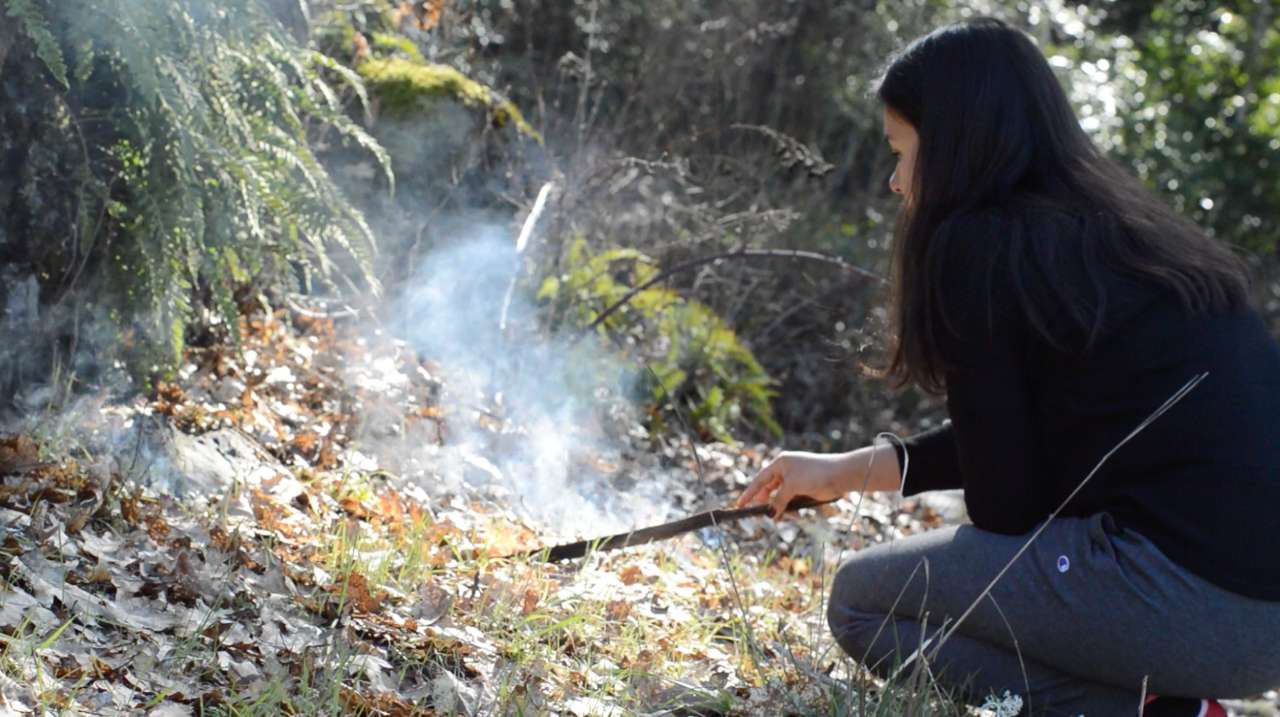
CNRA Launches Policy to Expand Tribal Stewardship for at Least 7.5 Million Acres in California
CNRA Launches Policy to Expand Tribal Stewardship for at Least 7.5 Million Acres in California
March 17, 2027 – The California Natural Resources Agency (CNRA) launched the state’s first-ever Tribal Stewardship Policy, establishing a statewide goal of expanding tribal stewardship over at least 7.5 million acres of lands and coastal waters in California. The Policy sets clear standards for all CNRA departments, conservancies, commissions, boards, and many other non-tribal partners to institutionalize meaningful and durable tribal-state partnerships and advance tribal stewardship through tribal access, collaboration, and ancestral land return. The Policy is supported by a companion toolkit containing training materials, templates, webinars, and technical resources designed for tribes, agency staff, and partners. The forthcoming 2026 California Wildfire and Landscape Resilience Action Plan will support, build upon, and align with CNRA’s Tribal Stewardship Policy.
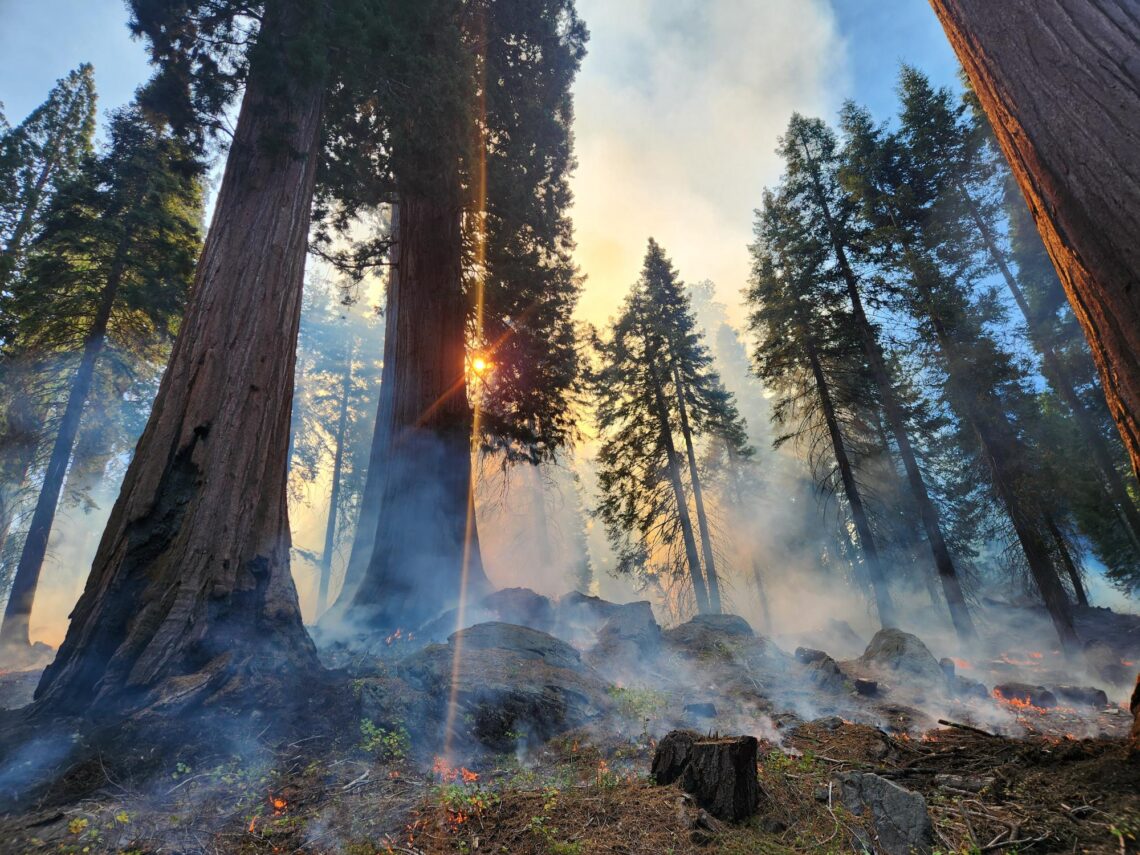
Giant Sequoia Lands Coalition Releases 2025 Progress Report, Showing Accelerating Restoration Efforts
Giant Sequoia Lands Coalition Releases 2025 Progress Report, Showing Accelerating Restoration Efforts
April 3, 2026 – The Giant Sequoia Lands Coalition (GSLC) released its 2025 Progress Report, showcasing significant advances in protecting the world’s remaining giant sequoia groves from shifting climates, catastrophic wildfire and emerging threats such as bark beetles. GSLC partners have conducted restoration activities in 44 of the world’s 94 sequoia groves since 2022, reducing the risk of extreme wildfires and improving overall forest health. In 2025, Coalition members conducted forest resilience treatments on 4,508 acres across 25 groves, advancing the momentum of this collaborative effort. Since its formation following the devastating 2020 and 2021 fire seasons—when the Castle Fire, KNP Complex Fire and Windy Fire killed thousands of ancient sequoias—the Coalition has treated a total of 23,251 acres and planted more than 682,000 native trees.
Additionally, a new scientific study from the GSLC reveals the current state of California’s giant sequoia range and quantifies the alarming extent of damage caused by extreme wildfires over the last decade. More than 17% of all mature giant sequoias have been killed by wildfire since 2015, while less than 1% perished in the 30 prior years. Most of the losses since 2015 occurred during the megafires of 2020 and 2021.
U.S. Forest Service Announces Reorganization with New Headquarters in Salt Lake City, UT and State Office in Placerville, CA
U.S. Forest Service Announces Reorganization with New Headquarters in Salt Lake City, UT and State Office in Placerville, CA
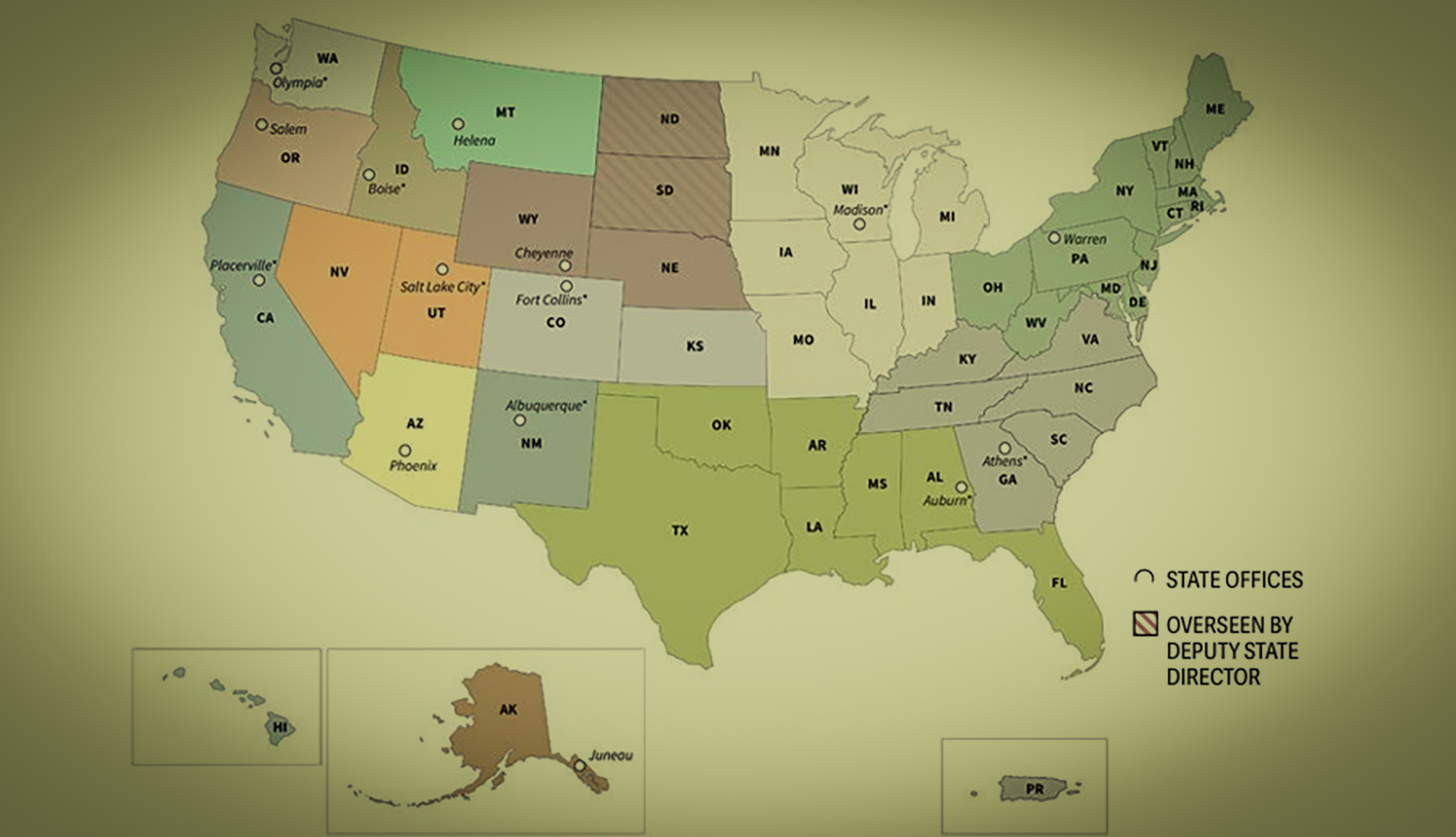
March 31, 2026 – The U.S. Forest Service announced it will move its headquarters to Salt Lake City, Utah, and begin a restructuring of the agency. Alongside the relocation of its headquarters, the Forest Service will begin transitioning to a state-based organizational model supported by shared operational service centers and a unified national research enterprise.
For California, the state office will be located in Placerville. Nationwide, 15 state directors will replace the previous 9 regional foresters and oversee forest supervisors, operational priorities, and relationships with states, tribes, and partners. Each state office will include a small leadership team responsible for legislative affairs, communications, and intergovernmental coordination. The Forest Service’s current facilities in Vallejo, CA will be repurposed as a national training center.
Additionally, the Forest Service will shift many functions currently housed in regional offices to a network of operational service centers to be established in Placerville, CA; Albuquerque, NM; Athens, GA; Fort Collins, CO; Madison, WI; and Missoula, MT. The Forest Service will also reorganize the various research stations into one in Fort Collins, CO. In California, six of the eight Forest Service research facilities will be shut down with facilities in Placerville and Riverside remaining open.
California Fast-tracks 300 Critical Wildfire Projects in 300 Days
California Fast-tracks 300 Critical Wildfire Projects in 300 Days
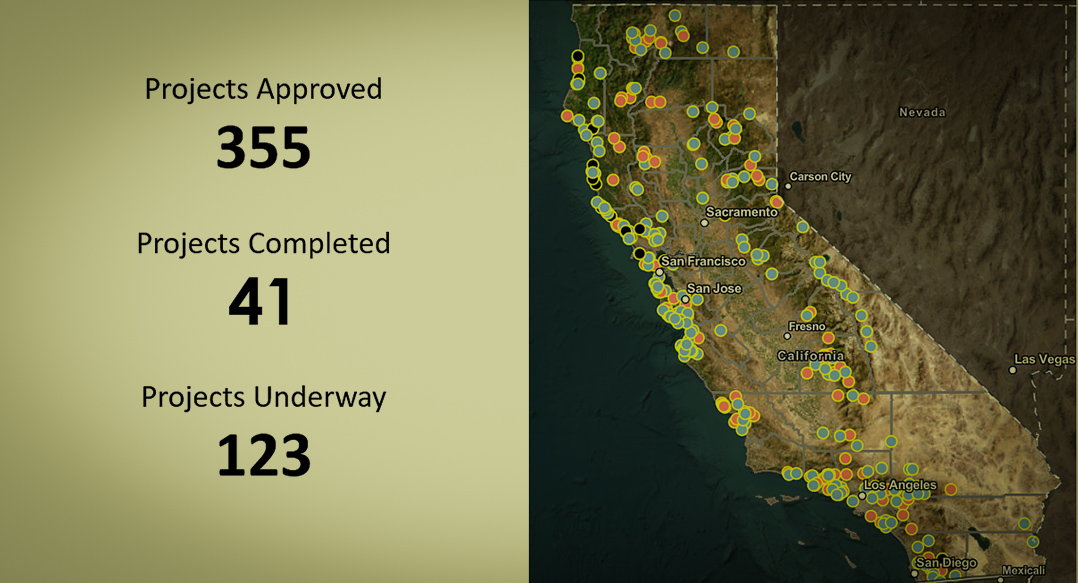
March 19, 2026 – Following Governor Newsom’s emergency proclamation on wildfire, State agencies including the California Natural Resources Agency (CNRA) and California Environmental Protection Agency (CalEPA), have coordinated to cut red tape and fast-track critical wildfire safety projects across the state, all while maintaining vital environmental safeguards. Through this streamlined process, projects are now being approved in as little as 30 days, saving a year or more of review and red tape for more complicated projects.
Thanks to these efforts, over 350 projects across nearly 80,000 acres have been approved in all reaches of the state. This streamlining process has been a game changer for a wide range of state and federal agencies, tribes, resource conservation districts, firesafe councils, private landowners and more, to get critical work done faster. Fast-tracked projects are protecting vulnerable communities, improving defensible space, creating evacuation routes, and restoring ecosystems. We are already seeing a major impact on the ground with notable projects including:
- a collaborative 600+ acre fuels reduction project protecting communities in the Los Angeles area near the Palisades footprint led by the Mountains Recreation and Conservation Authority;
- the 450 acre Prosper Ridge Community Wildfire Resilience Project that is incorporating cultural burning and prescribed fire for community protection in Humboldt County;
- the nearly 3,000-acre Scott Valley/Callahan Fuels Reduction Project to restore ecosystem health and protect vulnerable rural communities in Siskiyou County; and
- a project offering defensible space assistance for seniors and at-needs residents in Tuolumne County.
Thanks to the Governor’s extension of the emergency proclamation, project streamlining applications are being accepted through May 1, 2026. Visit the Task Force’s Project Streamlining webpage to learn more, view all approved projects and submit your application.
California Opens Solicitations and Posts Draft Guidelines for Wildfire and Landscape Resilience Grants
California Opens Solicitations and Posts Draft Guidelines for Wildfire and Landscape Resilience Grants
February 25, 2026 – Programs across multiple California agencies announced the availability of funding from the 2024 California Climate Bond (Proposition 4) and Greenhouse Gas Reduction Fund (GGRF) and posted drafts of grant guidelines for public review and comment.
CAL FIRE Makes $130 Million Available in Wildfire and Landscape Resilience Grants:
- CAL FIRE’s Forest Health program announced the availability of up to $120 million for landscape-scale forest management and restoration efforts designed to improve ecosystem resilience, reduce wildfire risk, and deliver climate benefits such as increased carbon storage and reduced greenhouse gas emissions. The solicitation includes $55 million in GGRF and $65 million in Climate Bond funding. The deadline to apply is March 30, 2026.
- CAL FIRE Business and Workforce Development announced the availability of $10 million in GGRF funds for projects that advance the business of healthy, resilient forests across California by encouraging private investment in clean technologies; employing innovative wood-processing solutions; and supporting the development of a skilled and resilient forest-sector workforce. The deadline to apply is May 20, 2026.
CAL FIRE and Sierra Nevada Conservancy Post Draft Wildfire and Landscape Resilience Grant Guidelines for Review:
The Climate Bond made available funding to “implement regional projects, including, but not limited to, landscape-scale projects developed by forest collaboratives, projects developed by regional entities, and projects that implement strategies developed by state conservancies.” Both CAL FIRE and SNC have posted draft guidelines for public review that will guide the distribution of these funds.
- CAL FIRE is inviting public feedback on draft guidelines for Regional Wildfire & Landscape Resilience Grants. This new grant opportunity will direct $30 million in FY24/25 Climate Bond funding to collaborative land management partnerships and entities that have developed, planned, and are ready to implement portfolios of multi-benefit projects across a landscape. Comments are due April 13, 2026.
- The Sierra Nevada Conservancy (SNC) is inviting public comment on draft Landscape Grant Program Guidelines that will mobilize funds from the 2024 Climate Bond for regional projects, including landscape-scale projects developed by forest collaboratives. This directed grant program will provide substantial funding to collaborative groups working across multi-jurisdictional landscapes, advancing portfolios of restoration and resilience projects that address ecological and community priorities at a meaningful scale. Comments are due March 25, 2026.
California Air Resources Board Releases 2025 Natural and Working Lands Carbon Inventory
California Air Resources Board Releases 2025 Natural and Working Lands Carbon Inventory
February 11, 2026 – The California Air Resources Board (CARB) released a state-of-the-science inventory of carbon stocks and carbon stock change from all lands in California, as well as harvested wood products. This release represents the most comprehensive estimate ever done of California’s carbon stocks in natural working lands, and also includes a supplemental report on the effects of wildfire and forest management on greenhouse gas emissions and carbon stock change. The inventory shows that even with catastrophic wildfires occurring more recently, the state’s natural and working lands have absorbed more carbon than they released since 2001, helping counterbalance emissions from those fires. In most years, emissions from wildfire were lower than rates of uptake due to net primary production. However, in 2008, 2020, and 2021, wildfire emissions greatly exceeded net uptake by trees, shrubs, plants, and grasses.
U.S. Department of Interior Launches U.S. Wildland Fire Service
U.S. Department of Interior Launches U.S. Wildland Fire Service
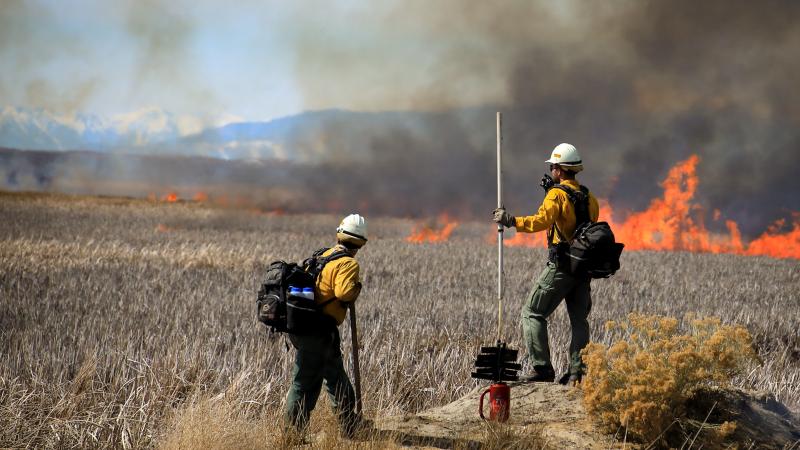
January 2026 – The U.S. Department of the Interior (DOI) established the new U.S. Wildland Fire Service, which consolidates wildland fire management across the Bureau of Indian Affairs, Bureau of Land Management, National Park Service, Office of Aviation Services, Office of Wildland Fire, and U.S. Fish and Wildlife Service, to streamline wildfire prevention, response, and recovery efforts across public lands administered by DOI. The U.S. Wildland Fire Service works to reduce wildfire risk through proactive fuels management; create fire-resilient landscapes; advance wildland fire science and technology; promote fire-adapted communities; and respond to wildfires in collaboration with the U.S. Forest Service and Tribal, state and local partners.
The new service was created following Executive Order 14308, Empowering Commonsense Wildfire Prevention and Response, which directs federal agencies to streamline and modernize wildland fire management nationwide and the DOI Secretary’s Order 3443, Elevating and Unifying DOI’s Wildland Fire Management Program, which directs the establishment of U.S. Wildland Fire Service within the Interior Department. The service will provide wildland fire management on over 500 million acres of public and Tribal lands across the nation, employ 5,780 federal wildland fire personnel annually, and supports approximately 900 tribal wildland fire personnel.
CAL FIRE Launches Forest Health Education Campaign
CAL FIRE Launches Forest Health Education Campaign
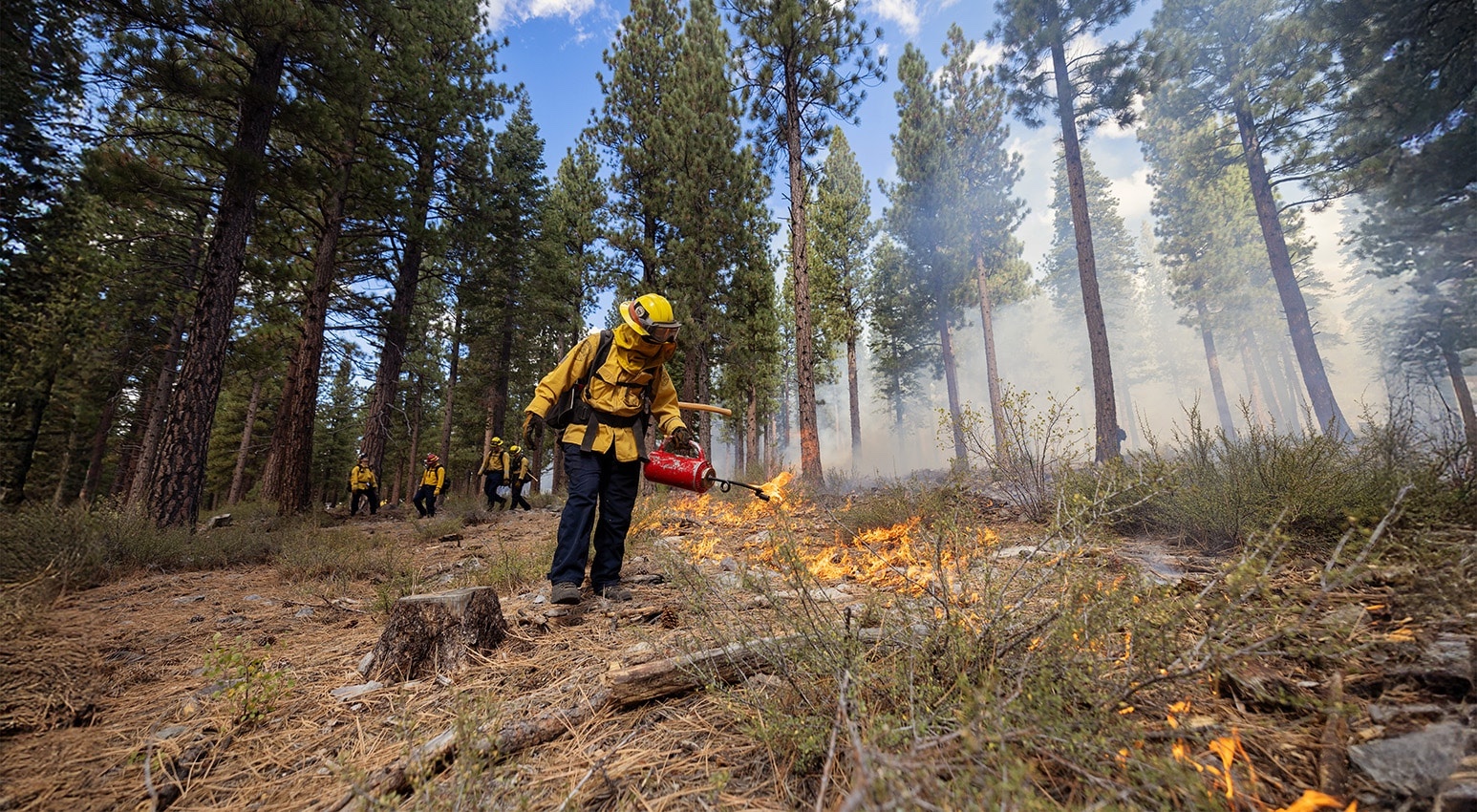
February 17, 2026 – CAL FIRE launched a new 2026 forest health media and education campaign. The campaign is aimed at helping Californians better understand the role healthy forests play in mitigating the growing wildfire threat and highlights the actions we can take together to reduce risk and protect lives, communities, and natural resources. A key focus of the campaign is highlighting proactive forest management, including beneficial fire as well as the important role individuals play at home and in their communities to prepare for wildfire through home hardening and by creating and maintaining defensible space. To support wildfire resilience messaging and public awareness, the campaign includes a new toolkit that contains easily customizable graphics and copy for use on social media, banners, and billboards.