
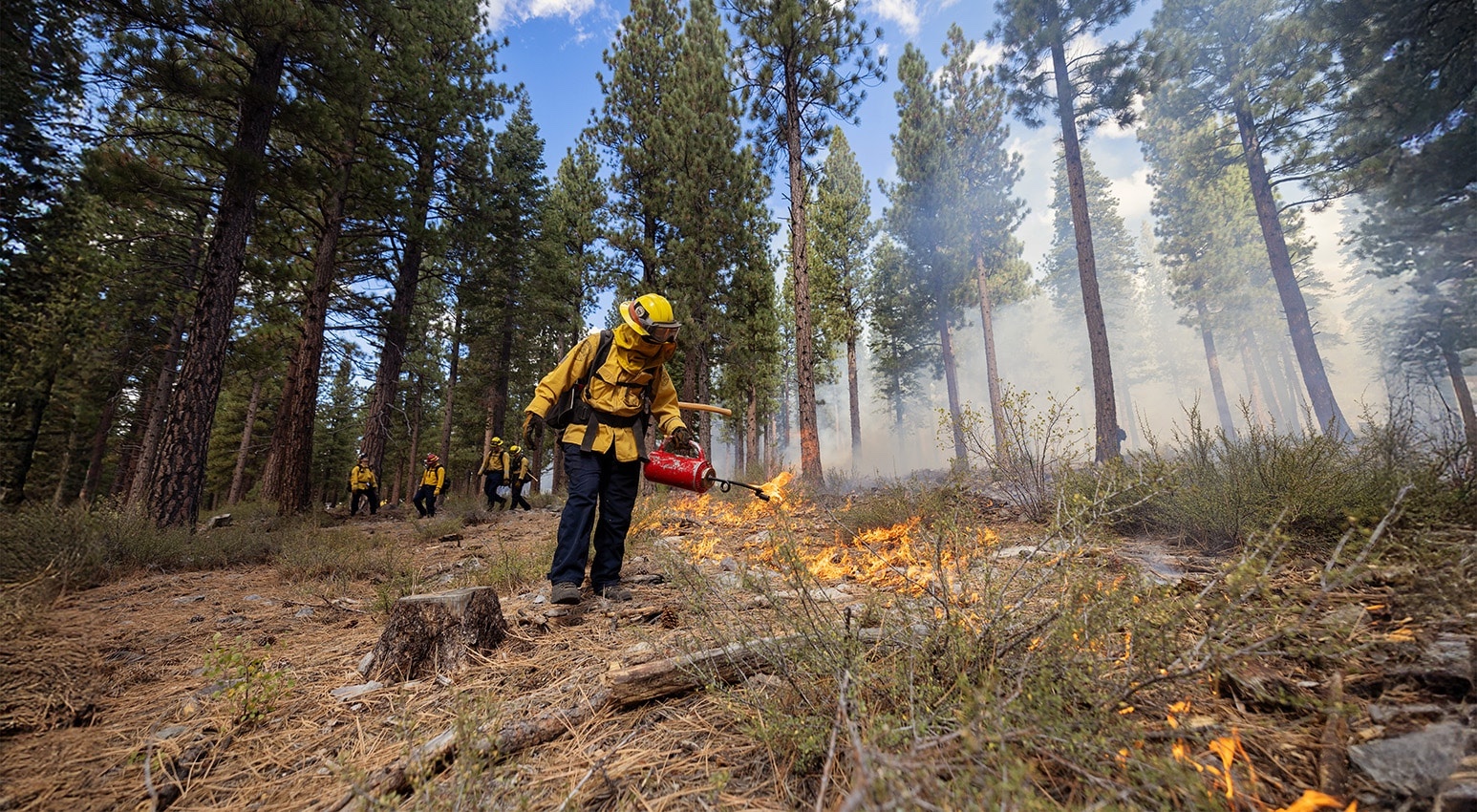
CAL FIRE Launches Forest Health Education Campaign
CAL FIRE Launches Forest Health Education Campaign
February 17, 2026 – CAL FIRE launched a new 2026 forest health media and education campaign. The campaign is aimed at helping Californians better understand the role healthy forests play in mitigating the growing wildfire threat and highlights the actions we can take together to reduce risk and protect lives, communities, and natural resources. A key focus of the campaign is highlighting proactive forest management, including beneficial fire as well as the important role individuals play at home and in their communities to prepare for wildfire through home hardening and by creating and maintaining defensible space. To support wildfire resilience messaging and public awareness, the campaign includes a new toolkit that contains easily customizable graphics and copy for use on social media, banners, and billboards.

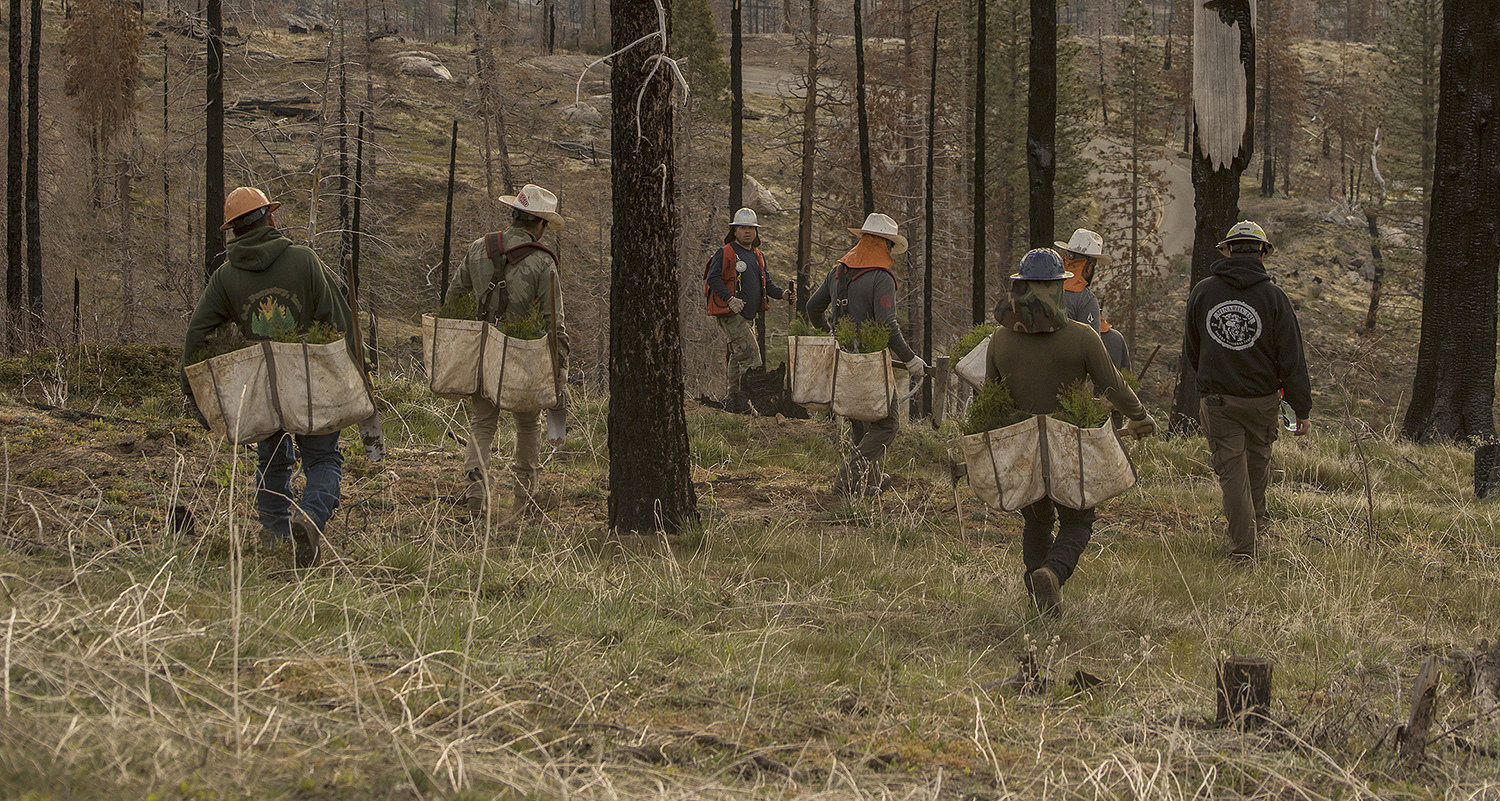
USDA California Climate Hub and Partners Release New Reforestation Planning Resources
USDA California Climate Hub and Partners Release New Reforestation Planning Resources
September 30, 2025 – The recently launched California Reforestation Toolshed website consolidates a variety of reforestation resources into one location, improving access to essential reforestation guidance and science. The Toolshed was collaboratively developed by the USDA California Climate Hub, CAL FIRE, American Forests, the Southwest Climate Adaptation Science Center and University of California Agriculture and Natural Resources.
The Toolshed includes 12 new California Climate-Informed Reforestation Guidance booklets. These booklets provide regionally specific recommendations for site preparation, planting, and post-planting management actions that can help establish forests that are resilient to climate effects, extreme weather, and wildfires.
California Climate-Informed Reforestation Guidance Booklets:
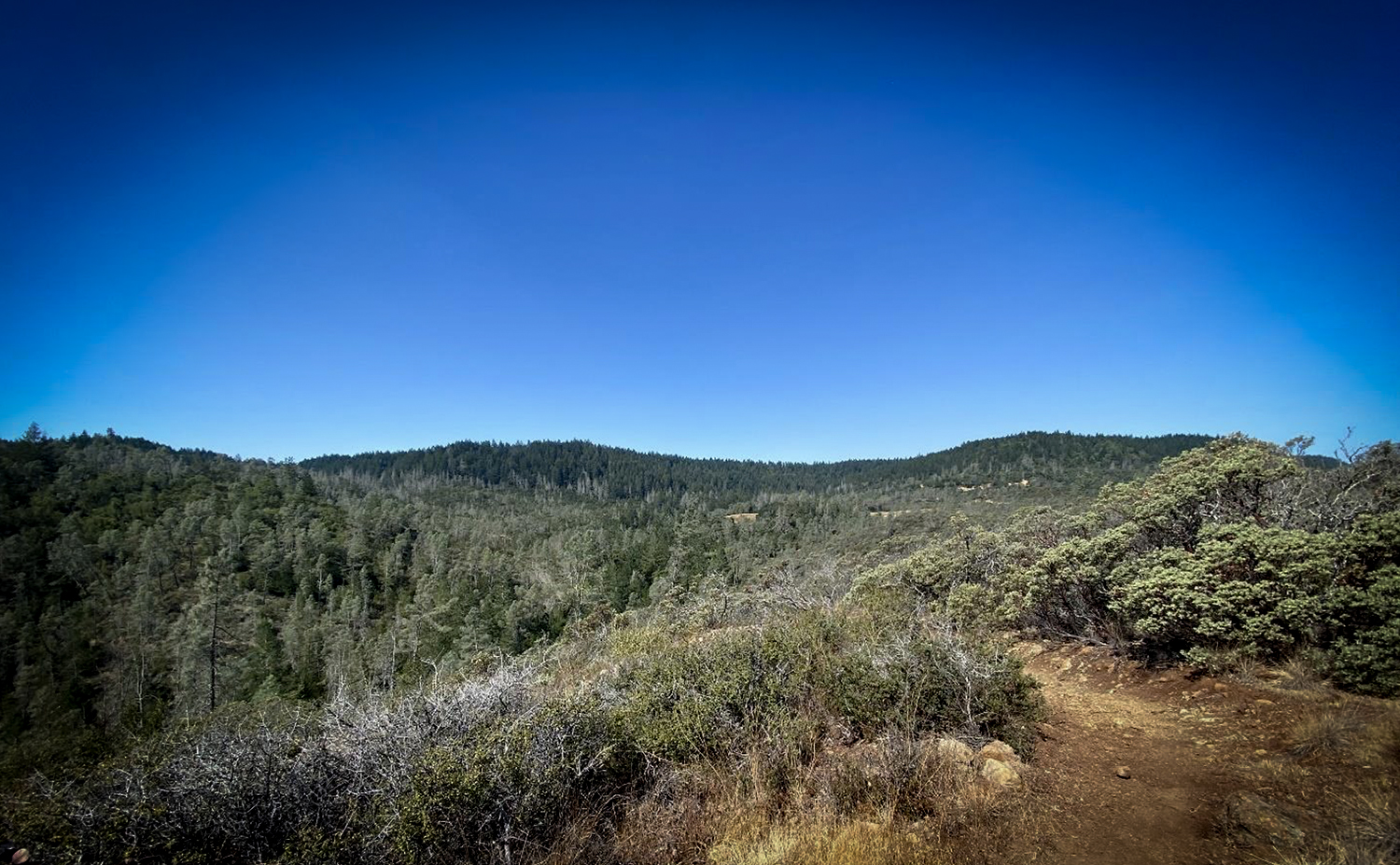
State Coastal Conservancy Awards Nearly $6 Million For Wildfire Resilience Projects
State Coastal Conservancy Awards Nearly $6 Million For Wildfire Resilience Projects
- $250,000 to support Civicorps’ East Bay Wildfire Risk Reduction project for workforce development and vegetation removal in Alameda and Contra Costa Counties.
- $1,542,000 for the San Mateo County Critical Evacuation Corridors Wildfire Resilience Project to remove hazardous vegetation along two critical road evacuation corridors.
- $500,000 to implement the Garland Ranch Wildfire Resilience Project to thin 12 acres of eucalyptus trees and create a 6.2 acre shaded fuel break, maintain previously treated areas, collect data, and conduct community engagement in Monterey County.
- $1,626,000 to the U.S. Forest Service to treat approximately 24 miles of historic fuel breaks by removing vegetation along the Santa Lucia ridge line within the Los Padres National Forest to protect neighboring communities in Monterey County from catastrophic wildfire.
- $947,850 for Santa Barbara’s Wildfire Resilience Project to reduce wildland vegetation fuels acres, restore native species, and conduct community engagement.
- $1,131,700 for the Ascot Hills Resilience Project in Los Angeles to enhance 33 acres of habitat through the removal of invasive plants and planting of native plants to increase wildfire resilience.