
State Conservancies Award Nearly $14 Million of Climate Bond Funds for Wildfire Resilience Projects
State Conservancies Award Nearly $14 Million of Climate Bond Funds for Wildfire Resilience Projects
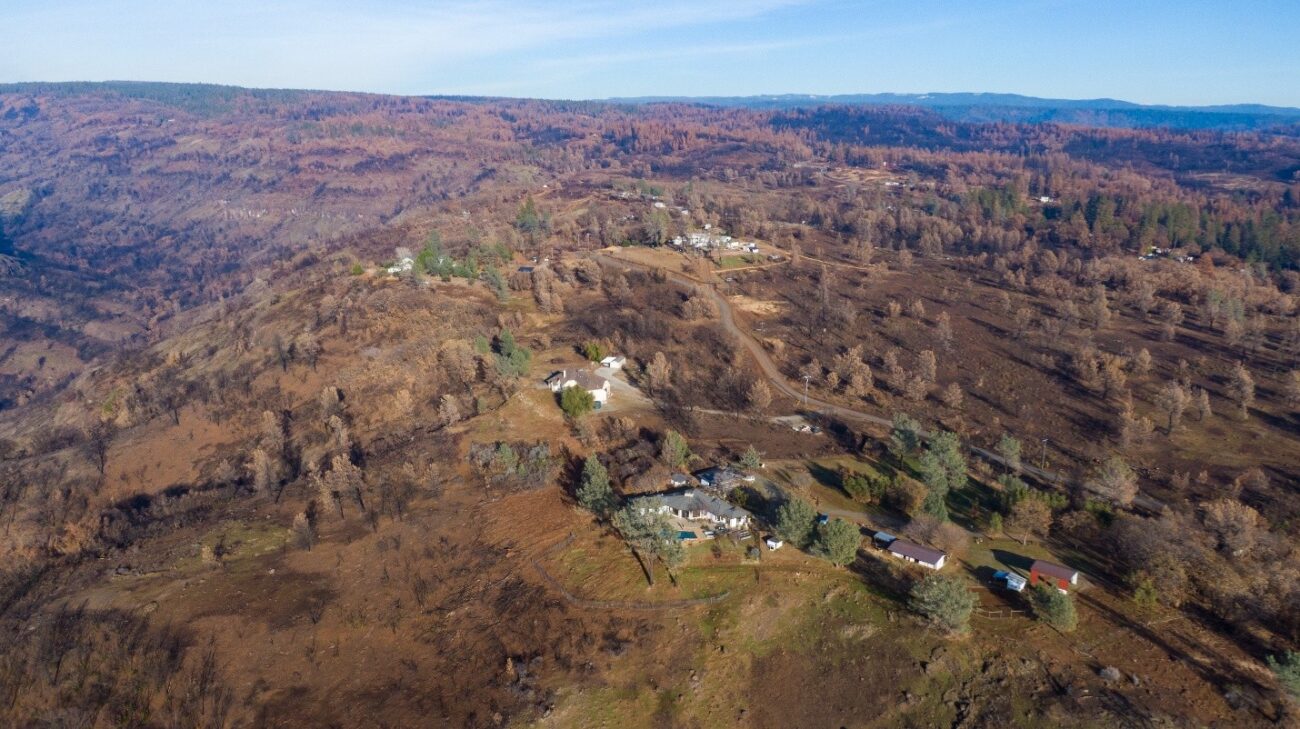
In April of 2025, Governor Newsom signed Assembly Bill 100 which allocated over $170 million in accelerated, or “early action” Climate Bond funding to conservancies for urgent forest and vegetation management across California. The California State Coastal Conservancy (Coastal Conservancy) and the Sierra Nevada Conservancy (SNC) have moved quickly to ensure these funds are being distributed to enable progress on-the-ground.
November 20,2025 – Coastal Conservancy Awards Over $11 Million for Wildfire Resilience: The Board of the State Coastal Conservancy awarded over $11 million for ten projects that aim to reduce the risk and impact of catastrophic wildfires along the coast. Five of these projects received $9.4 million in accelerated funding from the Climate Bond (Prop 4).
- Esselen Tribe of Monterey County: $1,250,000 to plan and implement a series of cultural fire trainings that include live fire cultural burning operations on 50 to 500 acres of land.
- La Jolla Band of Luiseño Indians: $2,900,000 to implement critical fuel reduction treatments and cultural burning on 516 acres along the Highway 76 corridor and to provide community fire preparedness training.
- Mendocino County Fire Safe Council: $803,000 to continue their free community chipping program, implement volunteer workdays, and develop a sustainability plan, over three years.
- University of California San Diego: $1,400,000 to remove Eucalyptus trees and restore the native chaparral ecosystem on a 30-acre site to improve wildfire resiliency and to serve as a biochar demonstration project.
- Sempervirens Fund: $3,050,000 to undertake the Big Basin Redwood Wildfire Resilience Project, consisting of vegetation fuels reduction and habitat enhancement on 215 acres in the old-growth coast redwood area of Big Basin Redwood State Park.
Additionally, five projects were awarded $1,665,000 in accelerated Climate Bond funding from the Department of Conservation’s Regional Forest and Fire Capacity Program.
December 12, 2025 – Sierra Nevada Conservancy Awards $4.6 Million in Wildfire and Forest Resilience Grants to Help Protect Communities: SNC’s Board approved three separate grants totaling nearly $4.6 million to fund projects that will reduce fuels and create fuel breaks in efforts to restore forest health and protect nearby communities from wildfire. The three grants from SNC’s Wildfire and Forest Resilience Directed Grant Program will fund projects in Butte, Mono, and Madera counties.

California's Wildfire Task Force Continues Nation-leading Efforts to Protect Communities, Unveils New Tools and Data
California's Wildfire Task Force Continues Nation-leading Efforts to Protect Communities, Unveils New Tools & Data
Recent meeting showcases significant progress & game-changing new solutions in tackling state’s wildfire crisis.
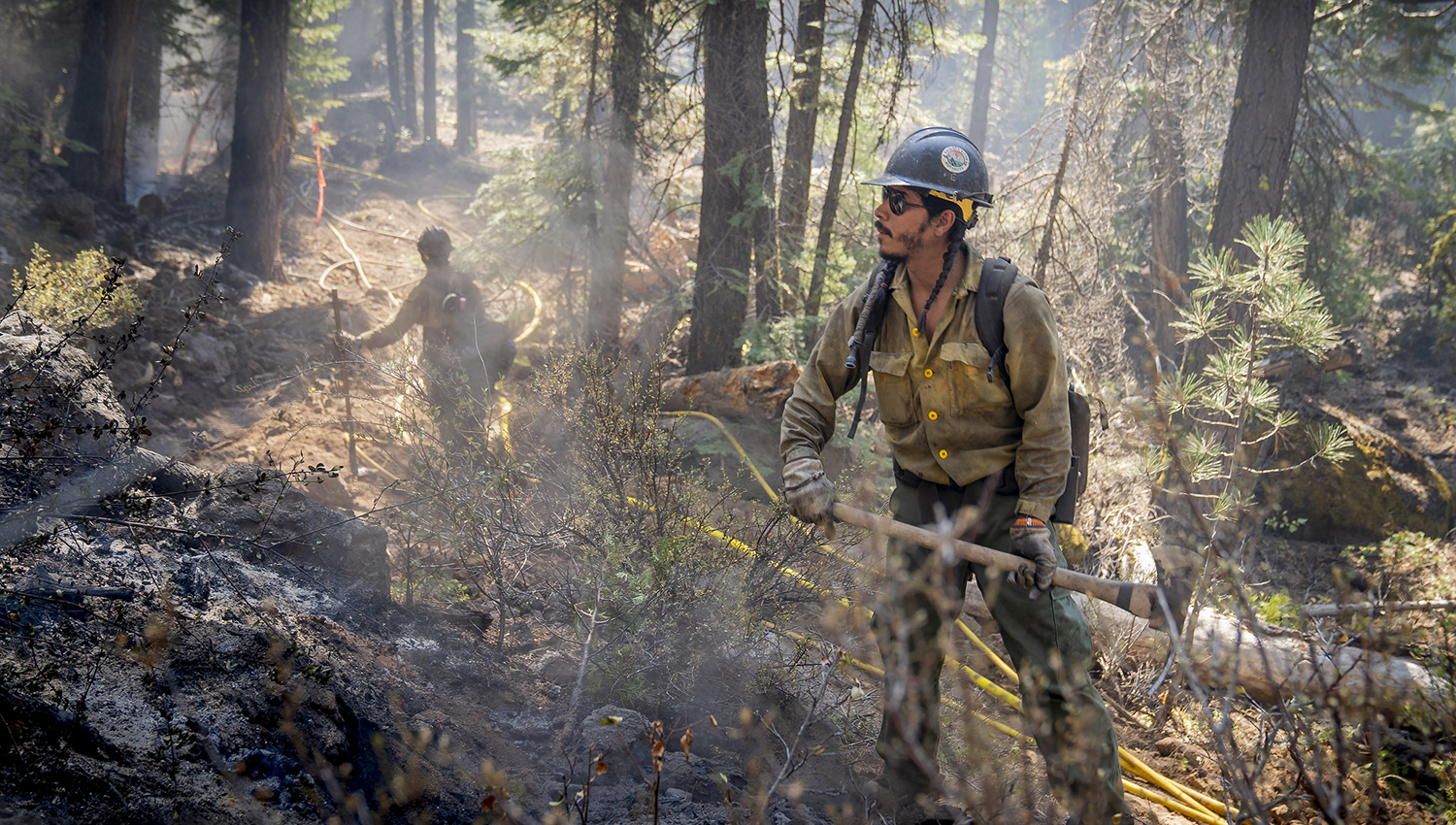
December 12, 2025, Sacramento – During the California Wildfire and Forest Resilience Task Force’s final meeting of 2025, Task Force and CAL FIRE leadership unveiled a slate of announcements that showcase how California’s unprecedented investments have led to large sustainable increases in wildfire prevention work with a focus on treatments that matter most.
Additionally, the Task Force highlighted key elements of the upcoming 2026 Wildfire and Landscape Action Plan, a new 10-year roadmap to resilience, and how we are moving beyond measuring progress simply by number of acres treated with new outcome-based measures.
“Change doesn’t happen overnight. Five years after the Task Force released the state’s first comprehensive action plan for wildfire resilience, we are now seeing the unprecedented investments from the Governor and Legislature make real change on the ground to protect communities from wildfire,” said Task Force Director Patrick Wright. “Today is about more than celebrating our collective progress, it is about building on the great work Task Force partners are already doing and doubling down to empower local and regional groups with the funding and tools they need to get the work done to improve the resilience of their communities and landscapes.”
Here is a list of all the progress highlighted at today’s meeting:
CAL FIRE announces over $62 million in Wildfire Prevention Grants:
As part of California’s strategy to prepare properties and communities against the devastating impacts of wildfire, CAL FIRE today announced it will award nearly $62.6 million in funding for 84 local wildfire prevention projects across the state, including 41 projects in low-income and disadvantaged communities. These grants will enable local organizations like fire safe councils to implement activities that address the hazards of wildfire and reduce wildfire risk to communities.
California unveils first-ever statewide LiDAR maps:
California Natural Resources Agency (CNRA), in partnership with the California Air Resources Board (CARB), NASA Ames Research Center, and the Wildfire and Forest Resilience Task Force today announced the public release of new statewide datasets on forest and vegetation conditions built from LiDAR, the gold standard for forest and vegetation information.
This release is powered by the Wildfire, Ecosystem Resilience, and Risk Assessment Initiative (WERK) which has processed more than 100 million acres of LiDAR data across California. That total includes 40 million acres collected through CNRA’s use of $30 million dedicated by the State Legislature to wildland remote sensing. For the first time, California has a single wall-to-wall picture of forest and vegetation conditions that is the highest resolution available and consistent across the entire state. Agencies, tribes, researchers, land managers, and community partners can access the data and begin incorporating the released products into their own tools, models, and planning processes immediately.
California continues expansion of beneficial fire through Governor Newsom’s new executive order:
Building on California’s Strategic Plan for Expanding the Use of Beneficial Fire, the state is accelerating its strategy to expand beneficial fire through Governor Newsom’s recent executive order. This order will enable California to continue moving at record pace to increase the use of prescribed and cultural fire by accelerating collaborative efforts to update beneficial fire permitting, increase collaboration with tribal communities, address air quality concerns, and enable resource conservation districts and other entities to carry out beneficial fire projects.
California fast-tracks nearly 200 critical wildfire projects in response to Governor Newsom’s Emergency Proclamation on wildfire:
Following Governor Newsom’s emergency proclamation on wildfire, State agencies including the California Natural Resources Agency and CalEPA, have coordinated to cut red tape and fast-track critical wildfire safety projects across the state, all while maintaining vital environmental safeguards. Through this streamlined process, projects are now being approved in as little as 30 days, saving a year or more of review and red tape for more complicated projects. Thanks to these efforts, 198 projects across nearly 36,000 acres have been approved in all reaches of the state and are already making an impact on the ground. Notable projects include a collaborative 600+ acre fuels reduction project led by the Mountains Recreation and Conservation Authority near the Palisades footprint, and the nearly 3,000-acre Scott Valley/Callahan Fuels Reduction and Forest Resiliency Project to remove fuels and create strategic fuel breaks in Siskiyou County.
Climate Bond funding is already making a real difference to reduce wildfire risk:
Following action by Governor Newsom and the Legislature, Proposition 4 (Climate Bond) early action funding is already making a big impact on the ground to provide vital funding for wildfire risk reduction projects. With yesterday’s announcement of nearly $4.6 million of Prop 4 funds for wildfire projects from the Sierra Nevada Conservancy, over $48 million have already been awarded through State Conservancies for projects that are protecting communities across the state. More than $38 million in funding is already making a difference to reduce wildfire risk in Southern California, including $30 million for 20 projects funded through the Santa Monica Mountains Conservancy and Rivers and Mountains Conservancy that are being deployed in the Los Angeles area, including the areas burned in the Palisades and Eaton fires.
Task Force provides update on its 2025 Key Deliverables with all complete or in progress:
In March 2025, the Task Force released its 2025 Key Deliverables which outlined California’s top 25 priorities and initiatives to achieve wildfire resilience. Just nine months later, all 25 deliverables have been completed or are in progress. These deliverables have helped the state improve home and community wildfire resilience, expand landscape-scale resilience programs, streamline regulatory processes and more.
Task Force releases 2024 data, sustaining California’s record pace of wildfire prevention over last four years:
During today’s meeting, the Task Force released 2024 wildfire treatment data, showing an upward trend in acres treated over the past 4 years. Collectively, interagency partners completed over 1 million activity acres of treatments across 733,000 footprint acres in 2024. Activity acres track every treatment, including multiple treatments on the same acre. Footprint acres reflect the number of acres that were treated rather than the number of treatments. The 2024 totals largely kept pace with records set in 2023 and are much higher than in 2021 and 2022. Acres treated by state agencies remained stable with record numbers set in 2023, with a slight increase from federal partners. Timber industry acres decreased by more than 40,000 acres from 2023 which was largely due to reduced levels of reforestation activities, which were much higher following the large 2020 and 2021 fire seasons. While there is year-to-year variation, wildfire prevention treatments have been, and continue to be, on an upward trend over time. The data is available in the Interagency Treatment Dashboard, California’s first-of-its-kind tool that offers a one-stop-shop to access data, provide transparency, and align the efforts of more than a dozen agencies to build resilient landscapes and communities in California.
CAL FIRE reports results from its Fuels Treatment Effectiveness Reporting Dashboard, showing treatments are working:
Ramping up acres treated is key to California’s wildfire strategy, and ensuring those treatments are targeted and effective is just as vital. CAL FIRE provided a report on its Fuels Treatment Effectiveness Reporting Dashboard, which evaluates the impact vegetation management treatments have on fire behavior and highlights how fuel reduction activities not only assist in suppression efforts but also protect life, property, and the natural resources of California. CAL FIRE has already evaluated over 100 projects and found that over 80% of projects were effective in mitigating wildfire impacts. Evaluated fuels treatments slowed wildfire rate of spread and intensity. Additionally, fire suppression operations were improved by increased firefighter ingress/egress and use of contingency lines.
Task Force unveils new outcome-based measures to better evaluate and prioritize projects that matter most:
Historically, state and federal agencies have measured progress through activity-based metrics (e.g. acres treated, number of inspections, etc.) rather than the outcomes of those activities. Activity metrics are useful for tracking effort, but they do not show whether projects are reducing wildfire risk or improving ecological condition. The Task Force is building on CAL FIRE’s efforts to assess project efficacy through its Fuels Treatment Effectiveness Reporting Dashboard by standardizing outcome-focused reporting so agencies can consistently assess effectiveness and track progress toward shared goals and targets. With outcome-based measures we will be able to track not only the number of acres treated, but also identify treatments with the greatest impact to meet regional priorities.
Task Force provides a sneak-peak on California’s upcoming Wildfire and Landscape Resilience Strategy:
Task Force Director, Patrick Wright, shared an inside look into the ongoing collaborative process to develop California’s 2026 Wildfire and Landscape Resilience Action Plan. The new plan will include three primary components:
- 10-year Roadmap to Resilience: Informed by the Task Force Science Advisory Panel’s Science Synthesis, CAL FIRE’s Forest and Rangeland Assessment, and new modeling results, the 10-Year Roadmap to Resilience will quantify the scale of work necessary to improve resilience of the state’s landscapes, estimate costs and potential benefits, and offers tailored roadmaps to California’s diverse regions.
- Framework for Mobilizing Regional Action: Building on the California Department of Conservation’s and CAL FIRE’s wildfire capacity programs, the framework will rapidly accelerate and align the efforts of federal, state, tribal local, and private organizations at every stage of their efforts to improve the resilience of their landscapes and communities.
- Shared Strategies: Developed in coordination with the Task Force Work Groups, the 2026 Action Plan will include over 20 Shared Strategies to expand landscape resilience, strengthen community resilience, enhance efficiency and capacity, build a science and data management framework, and achieve multiple state, federal, and tribal priorities.
The Task Force is aiming to release a draft version of the 2026 Action Plan in early 2026 and publish the final version in spring 2026.

California Unveils First-ever Statewide LiDAR Maps
California Unveils First-ever Statewide LiDAR Maps
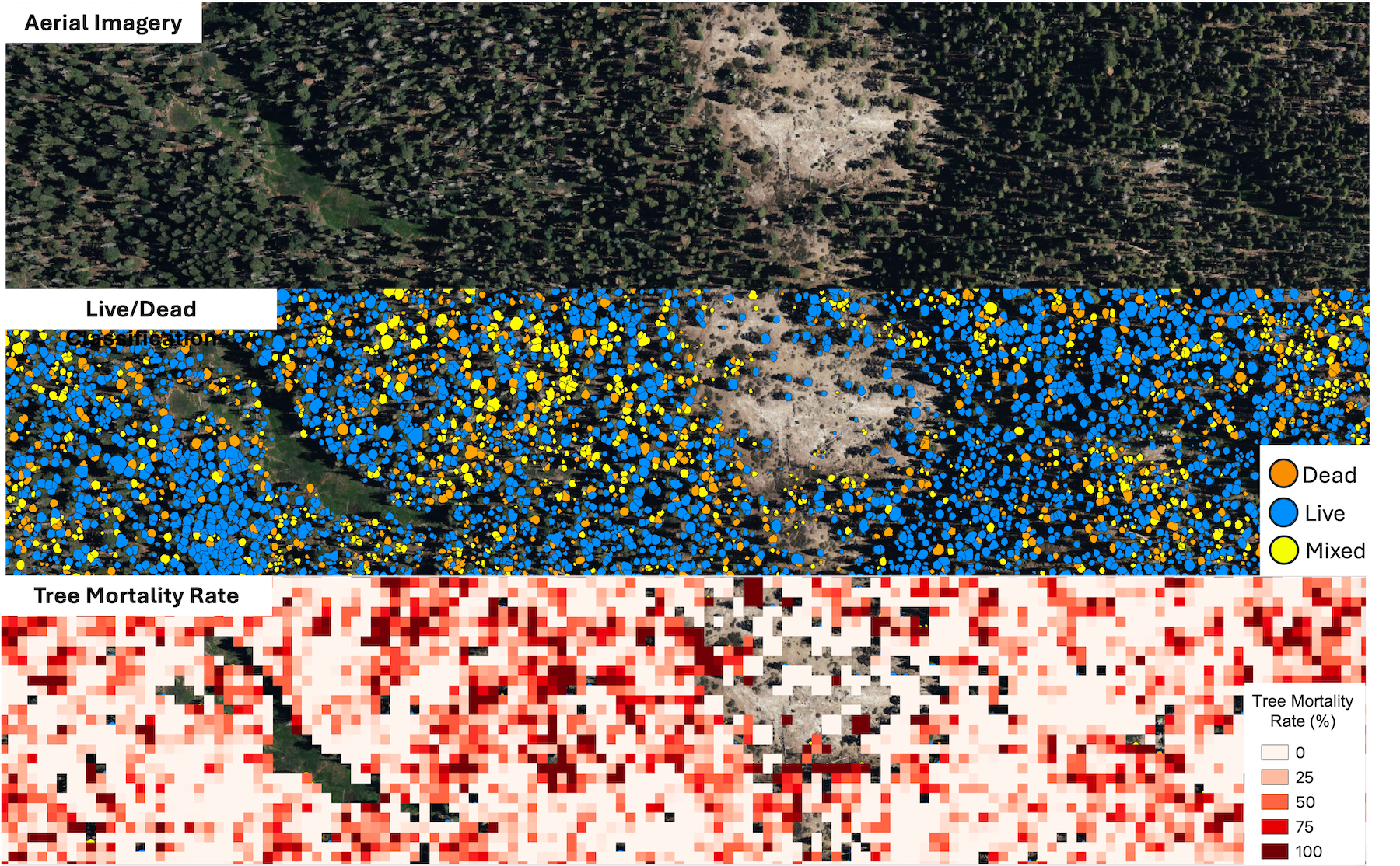
December 12, 2025 – The California Natural Resources Agency (CNRA), in partnership with the California Air Resources Board (CARB), NASA Ames Research Center, and the Wildfire and Forest Resilience Task Force announced the public release of consistent, statewide datasets on forest and vegetation conditions built from LiDAR, the gold standard for forest and vegetation information. This release is powered by the Wildfire, Ecosystem Resilience, and Risk Assessment Initiative (WERK) which has processed more than 100 million acres of LiDAR data across California. That total includes 40 million acres collected through CNRA’s use of $30M dedicated by the State Legislature for wildland remote sensing. For the first time, California has a single wall-to-wall picture of forest and vegetation conditions that is the highest resolution available and consistent across the entire state. Agencies, tribes, researchers, land managers, and community partners can begin incorporating the released products into their own tools, models, and planning processes immediately.
LiDAR (light detection and ranging) creates detailed three-dimensional maps of the landscape. Using LiDAR, the WERK initiative provides information on where trees and shrubs are, how tall and dense they are, where ladder fuels can carry fire into the canopy, and how much carbon is stored in vegetation. The statewide release includes 10-meter and 30-meter resolutions datasets that cover all of California. In addition, 1-meter datasets are already available in select areas, with statewide access to ultra-high resolution data launching in early 2026.
The WERK datasets are being hosted in partnership with the Wildfire Science & Technology Commons at the San Diego Supercomputer Center, supported by the National Science Foundation. These products will also be incorporated into the Task Force’s California Landscape Metrics beginning with the next data refresh.
December 12 Sacramento Meeting Recap
SACRAMENTO TASK FORCE MEETING RECAP
December 12, 2025
During the California Wildfire and Forest Resilience Task Force’s final meeting of 2025, Task Force and CAL FIRE leadership unveiled a slate of announcements that showcase how California’s unprecedented investments have led to large sustainable increases in wildfire prevention work with a focus on treatments that matter most.
Additionally, the Task Force provided a preview of the upcoming 2026 Wildfire and Landscape Resilience Action Plan, a new 10-year Roadmap to Resilience, and how we are moving beyond measuring progress simply by number of acres treated with new outcome-based measures.
Welcome & Executive Remarks
Co-chairs
- Wade Crowfoot, California Natural Resources Agency
- Jason Kuiken, U.S. Forest Service
Task Force Executive Committee
- Daniel Berlant, CAL FIRE
- Anne Cottrell, Rural County Representatives of CA
- Bobby Macaulay, CA State Assoc. of Counties
- Don Hankins, Indigenous Stewardship Network
- Miranda Flores, Governor’s Office of Land Use & Climate Innovation
- Katy Landau, Cal EPA
Director’s Report
Director’s Report
Patrick Wright, Wildfire and Forest Resilience Task Force
SB 254 Natural Catastrophe Resiliency Study
SB 254 Natural Catastrophe Resiliency Study
Laurie Johnson, CA Earthquake Authority
Looking Back: What Have We Accomplished?
- Alan Talhelm, CAL FIRE
- Mike Sintetos, CAL FIRE
- Marissa Christiansen, Climate & Wildfire Institute
Looking Forward: The Draft 2026 Action Plan
Moderator: Steve Ostoja, CA Climate Hub & Co-chair Science Advisory Panel
Draft 10-Year Roadmap:
• Jonathan Long, USDA Climate Hub
• John Battles, UC Berkeley
Draft Framework for Mobilizing Regional Action:
• Forest Schafer, Task Force
• Brian Newman-Lindsay, CA Department of Conservation
• Frank Bigelow, CAL FIRE
New Interagency Shared Strategies & Recommendations:
• Christiana Darlington, CLERE, Inc.
• Michelle Selmon, Department of Fish & Wildlife
• Angie Lottes, CA Parks
• Emily Blackmer, Sierra Business Council
• Kyle Kabasares, NASA Ames
Closing Remarks
Task Force Co-Chairs
CAL FIRE Awards Over $62 Million in Wildfire Prevention Grants
CAL FIRE Awards Over $62 Million in Wildfire Prevention Grants
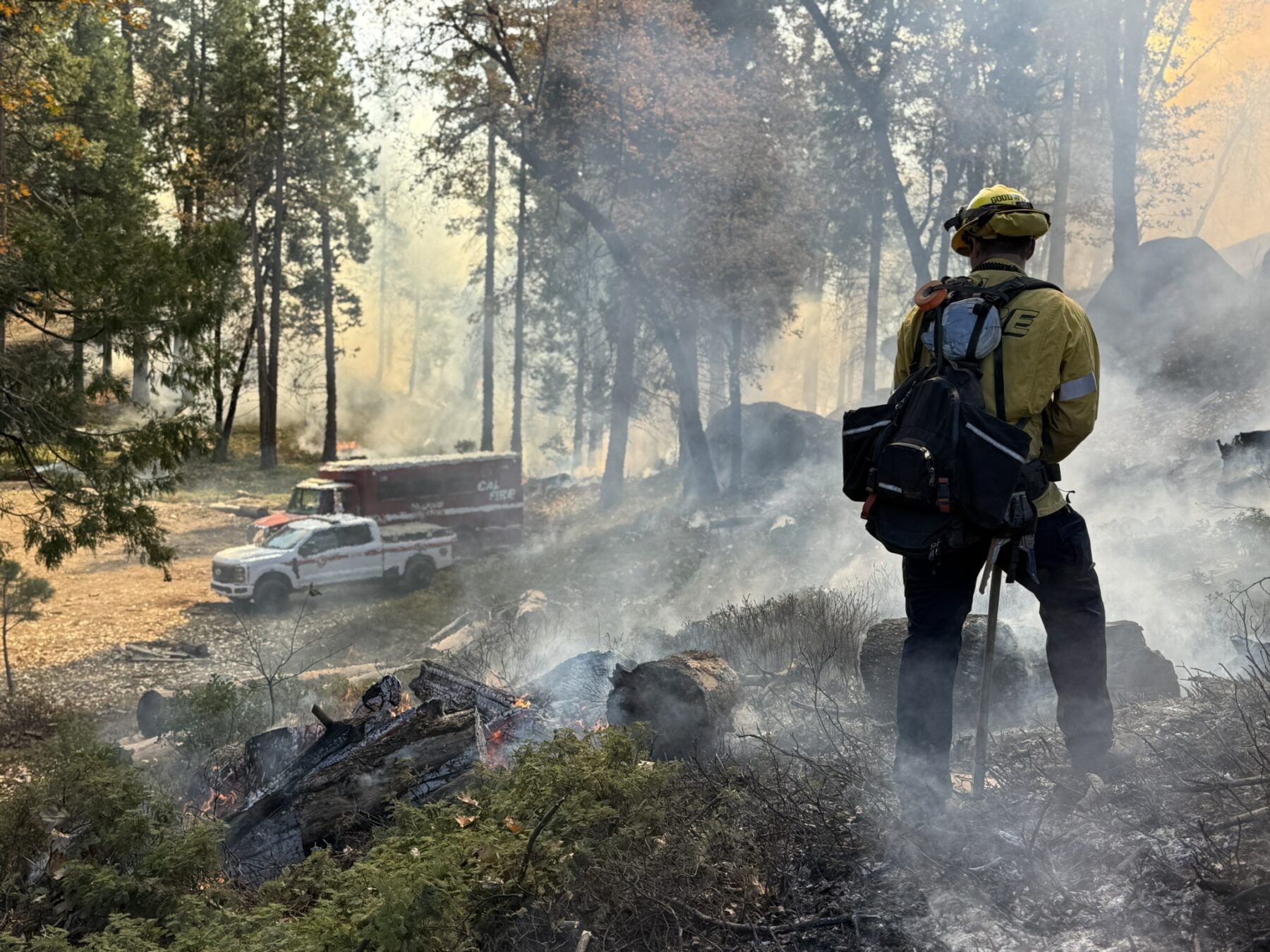
December 12, 2025 – CAL FIRE announced it will award nearly $62.6 million in funding for 84 local wildfire prevention projects across the state, including 41 projects in low-income and disadvantaged communities. CAL FIRE’s Wildfire Prevention Grants enable local organizations like fire safe councils to implement activities that reduce wildfire risk to communities. Funded activities include hazardous fuel reduction, wildfire prevention planning, and wildfire prevention education. These projects reach all corners of the state, including:
- Siskiyou County: The Shasta Valley Resource Conservation District will implement wildfire prevention efforts on the McCloud Fuels Management and Forest Stewardship Project, which proposes 375 acres of treatment including 200 acres of mastication and thinning and 175 acres of ridgeline shaded fuel break.
- Riverside County: the Twenty-Nine Palms Band of Mission Indians will reduce hazardous fuels (saltcedar) on 223 acres of tribal lands. The project will reduce dust and wildfire fuel loads by removing saltcedar using root plowing and chipping.
- Los Angeles County: The San Gabriel Valley Council of Governments is one of many organizations receiving funding towards wildfire prevention efforts. Their project will work towards developing a Regional Wildfire Protection Plan that will help to protect over 31 cities and communities, 22 of which are identified as “Communities at Risk.”
These projects all meet the goals and objectives of California’s Wildfire and Forest Resilience Action Plan, as well as the Strategic Fire Plan for California. Over the last six years, CAL FIRE has awarded more than $566 million in its Wildfire Prevention Grants Program to over 575 projects across the state. A full list of the 2025/2026 Wildfire Prevention Grant recipients is available here.

Watershed Research and Training Center and Sierra Business Council Release Wildfire Resilience Workforce & Career Development Roadmap
Watershed Research and Training Center and Sierra Business Council Release Wildfire Resilience Workforce & Career Development Roadmap
November 25, 2025 – The Watershed Research and Training Center and Sierra Business Council released Advancing Wildfire Resilience Workforce & Career Development, a nonprofit-led roadmap recommending how California can grow and sustain the skilled workforce needed to protect communities and restore healthy landscapes in the face of wildfire. Developed in coordination with the California Wildfire & Forest Resilience Task Force, this roadmap outlines how the state can strengthen its wildfire resilience efforts by investing in the people and organizations driving this critical work. Key recommendations in the roadmap include:
• Building education, training, and professional development pipelines.
• Supporting high-quality, well-paying jobs with clear career pathways.
• Pairing wildfire resilience investments with workforce capacity investments statewide, including urban, rural, and Tribal communities.
• Removing barriers to recruit, train, and retain a robust wildfire resilience workforce.
By integrating solutions to two of California’s most pressing challenges—wildfire risk and economic opportunity—this roadmap charts a path toward both community safety and statewide prosperity.