

U.S. EPA Awards $14.7 Million to the Tule River Tribe for Biochar Project
U.S. EPA Awards 14.7 Million to the Tule River Tribe for Biochar Project
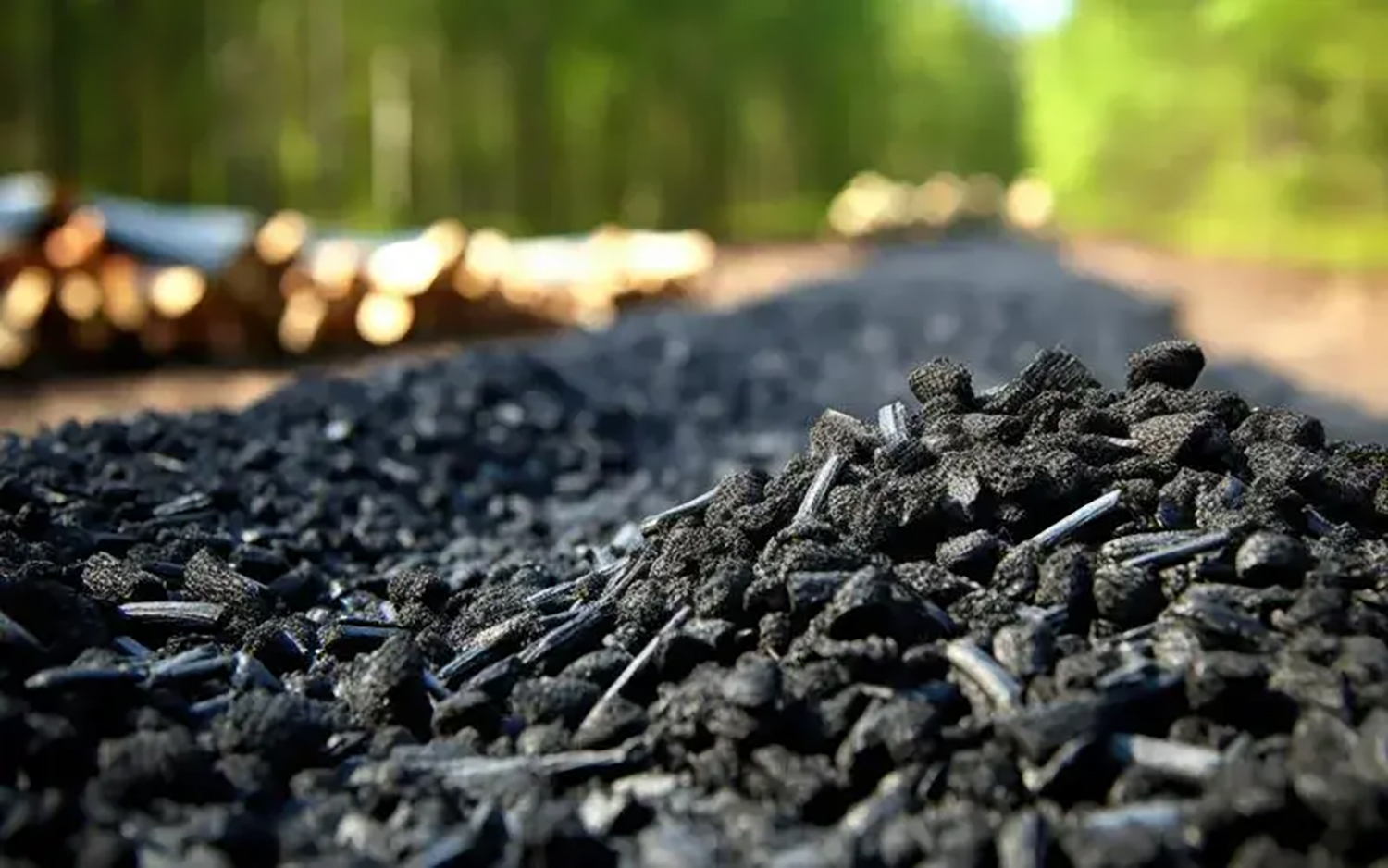
February 18, 2026 – The U.S. Environmental Protection Agency (EPA) has awarded a $14.7 million grant to a biochar project that will enable the Tule River Tribe of California to tap into carbon credit revenue. Under the project, the Tule River Economic Development Corp. (TREDC) will utilize the EPA grant to construct a biochar production plant in California’s Central Valley that will also have the capacity to generate renewable electricity. According to TREDC estimates, the plant will be able to process up to 31,500 tons of woody residue annually, producing approximately 4,500 tons of biochar and roughly 4,000 megawatt-hours of renewable power each year. Its operations are also projected to be able to remove up to 10,600 metric tons of carbon dioxide annually and provide jobs for Tribal citizens.

California Awards Over $5 Million of Climate Bond Funds for Local Wildfire Resilience Projects
California Awards Over $5 Million of Climate Bond Funds for Local Wildfire Resilience Projects
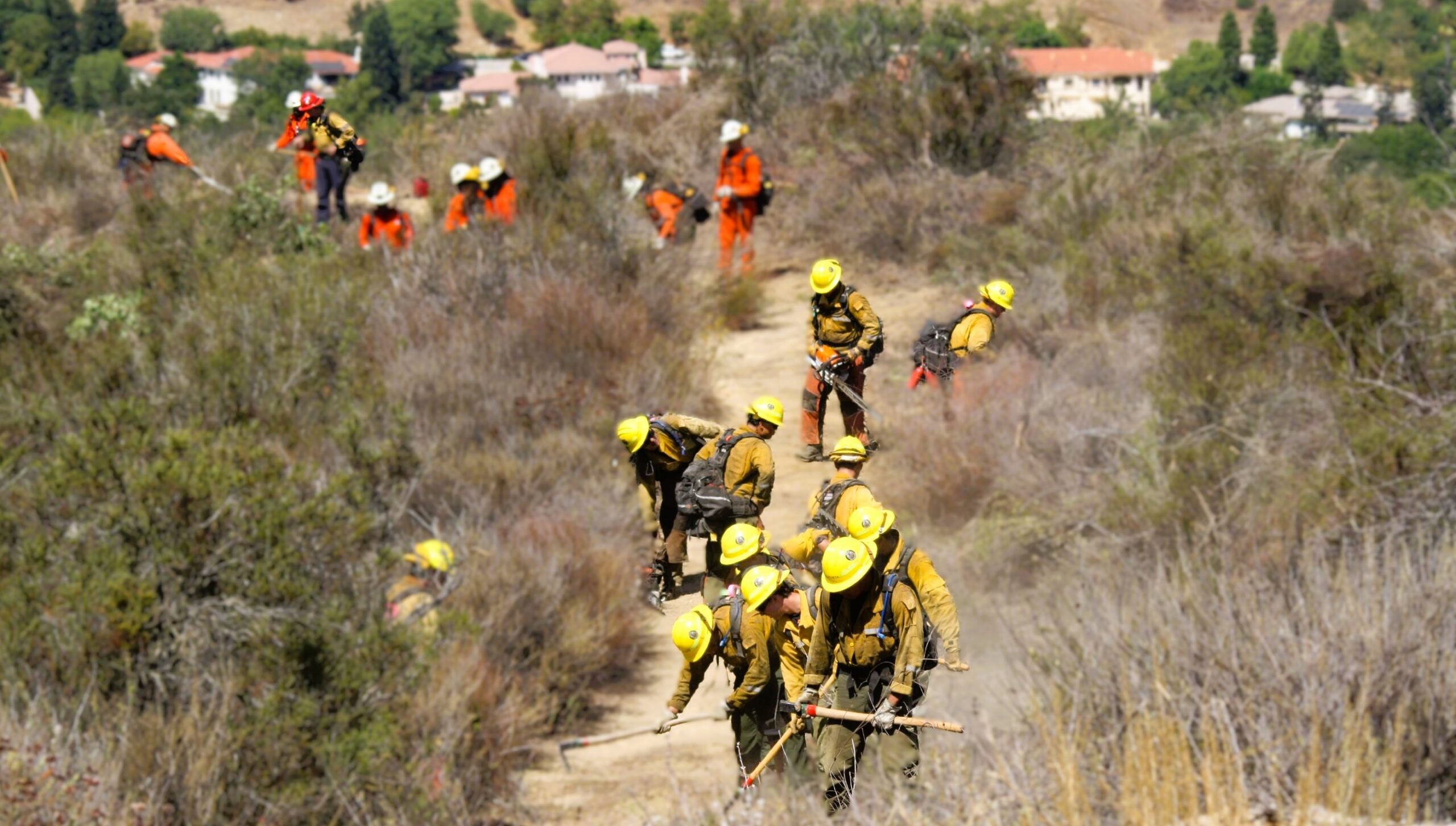
February 23, 2026 – Santa Monica Mountains Conservancy Awards Over $3.6 Million of Climate Bond Funds for Local Wildfire Prevention: The Santa Monica Mountains Conservancy (SMMC) Board approved three grants, funded by Prop 4 (Climate Bond), to support efforts by the Mountains Recreation and Conservation Authority (MRCA) to reduce wildfire risk in the Los Angeles area. MRCA received $2,065,500 to support reduction of flashy nonnative fuel, support defensible space, and remove hazard trees; $590,000 for workforce development, to train and deploy fire-ready crews for vegetation management and wildfire readiness and suppression; and $344,500 for structure hardening ad renovations for crew accommodations to support surges in staffing needs for Red Flag and fire events. In addition to the grants to MRCA, SMMC also granted $649,322 to Ventura County Fire Protection District in January for targeted fuel reduction, including fuel breaks, prescribed grazing, and roadside clearing.
February 26, 2026 – Wildlife Conservation Board Awards Grant to Support Biodiversity Enhancement and Cultural Burning: The Wildlife Conservation Board awarded a $1.75 million grant to Pepperwood Foundation, in cooperation with Conservation Corps North Bay, to restore 893 acres of oak woodland and grasslands in Sonoma County. The project reduces fuel loads, enhances biodiversity, restores native grasslands and oak woodlands, and brings back cultural burning as part of land stewardship. An additional $58 million of Climate Bond funding was awarded to projects advancing wildlife crossings, salmon recovery, and public access.
U.S. Department of Interior Launches U.S. Wildland Fire Service
U.S. Department of Interior Launches U.S. Wildland Fire Service
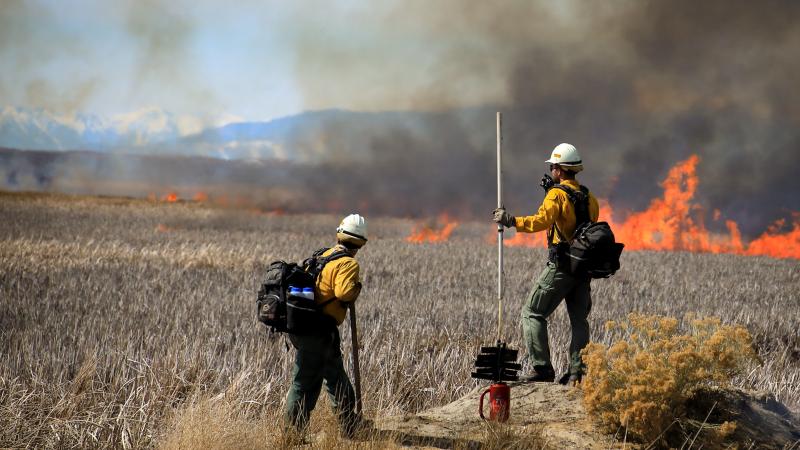
January 2026 – The U.S. Department of the Interior (DOI) established the new U.S. Wildland Fire Service, which consolidates wildland fire management across the Bureau of Indian Affairs, Bureau of Land Management, National Park Service, Office of Aviation Services, Office of Wildland Fire, and U.S. Fish and Wildlife Service, to streamline wildfire prevention, response, and recovery efforts across public lands administered by DOI. The U.S. Wildland Fire Service works to reduce wildfire risk through proactive fuels management; create fire-resilient landscapes; advance wildland fire science and technology; promote fire-adapted communities; and respond to wildfires in collaboration with the U.S. Forest Service and Tribal, state and local partners.
The new service was created following Executive Order 14308, Empowering Commonsense Wildfire Prevention and Response, which directs federal agencies to streamline and modernize wildland fire management nationwide and the DOI Secretary’s Order 3443, Elevating and Unifying DOI’s Wildland Fire Management Program, which directs the establishment of U.S. Wildland Fire Service within the Interior Department. The service will provide wildland fire management on over 500 million acres of public and Tribal lands across the nation, employ 5,780 federal wildland fire personnel annually, and supports approximately 900 tribal wildland fire personnel.

CAL FIRE Launches Forest Health Education Campaign
CAL FIRE Launches Forest Health Education Campaign
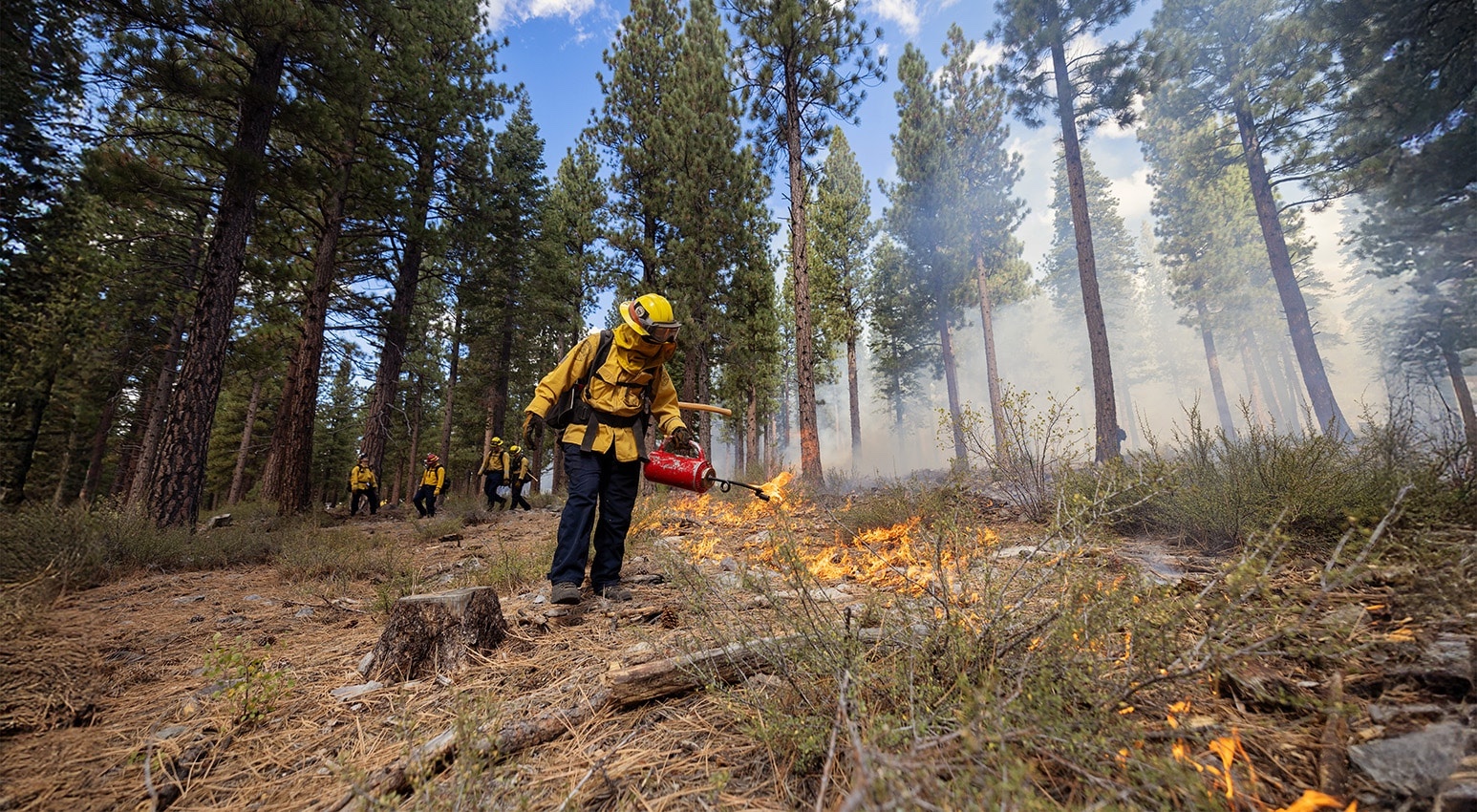
February 17, 2026 – CAL FIRE launched a new 2026 forest health media and education campaign. The campaign is aimed at helping Californians better understand the role healthy forests play in mitigating the growing wildfire threat and highlights the actions we can take together to reduce risk and protect lives, communities, and natural resources. A key focus of the campaign is highlighting proactive forest management, including beneficial fire as well as the important role individuals play at home and in their communities to prepare for wildfire through home hardening and by creating and maintaining defensible space. To support wildfire resilience messaging and public awareness, the campaign includes a new toolkit that contains easily customizable graphics and copy for use on social media, banners, and billboards.