
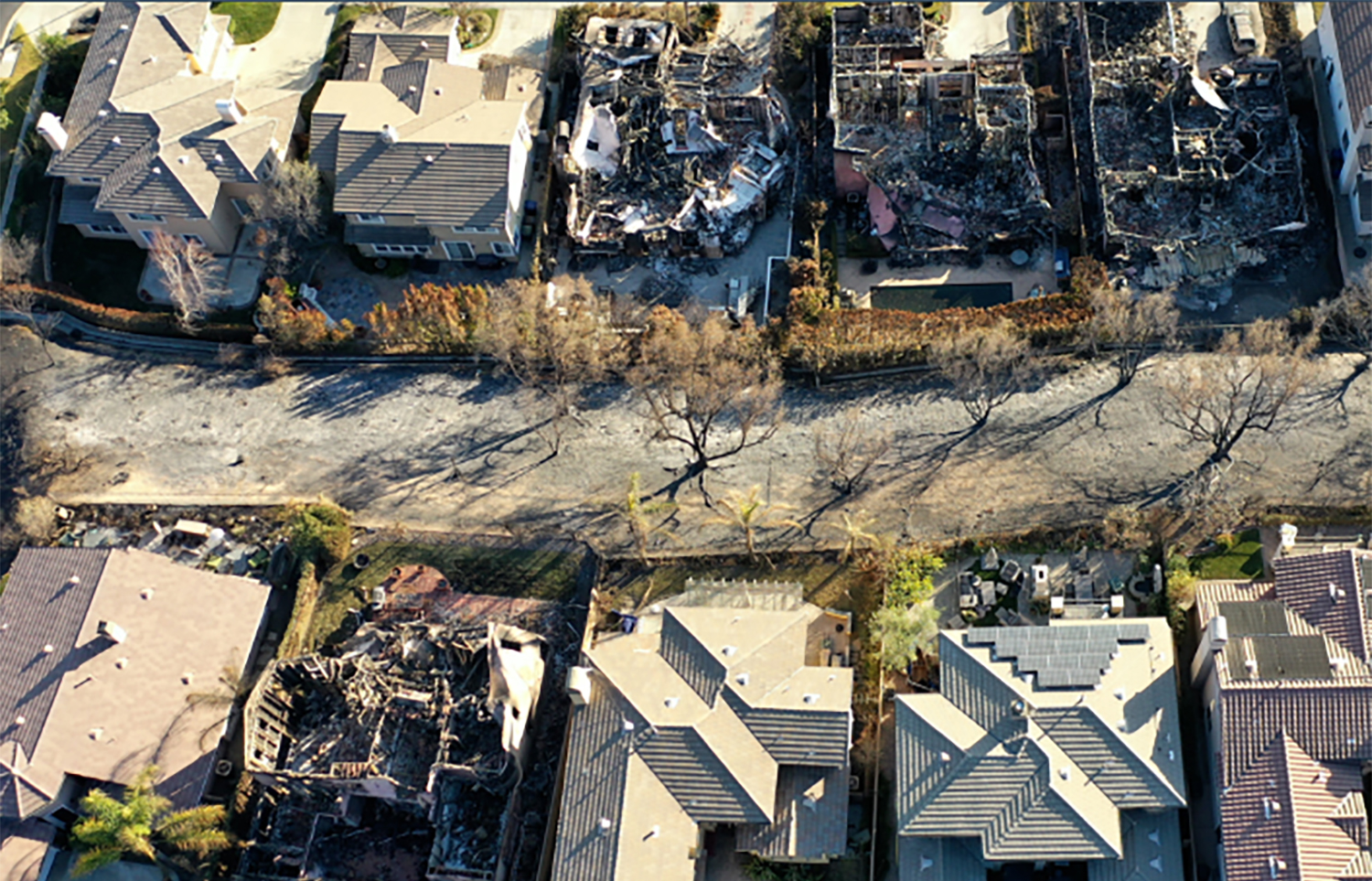
New Findings Show Home Hardening and Zone Zero Mitigation Were Key to Protecting Homes in the 2025 Los Angeles Fires
New Findings Show Home Hardening and Zone Zero Mitigation Were Key to Protecting Homes in the 2025 Los Angeles Fires
December 10, 2025 – The Insurance Institute for Business & Home Safety (IBHS) released findings from its post-event investigation of the 2025 Los Angeles County Eaton and Palisades fires, showing that a systems-based approach to wildfire resilience dramatically improves home survival in suburban conflagrations. Based on on-the-ground assessments of more than 250 properties and lab testing, the study found that homes with multiple hardening features — such as Class A roofs, noncombustible siding, double-pane windows, and enclosed eaves — were substantially more likely to avoid damage than those with only a single measure, and that vegetation and combustible materials in the first five feet around homes (Zone Zero) significantly increase the risk of ignition and loss. these results underscore the importance of comprehensive home hardening and defensible space to protect homes and neighborhoods from wildfire.

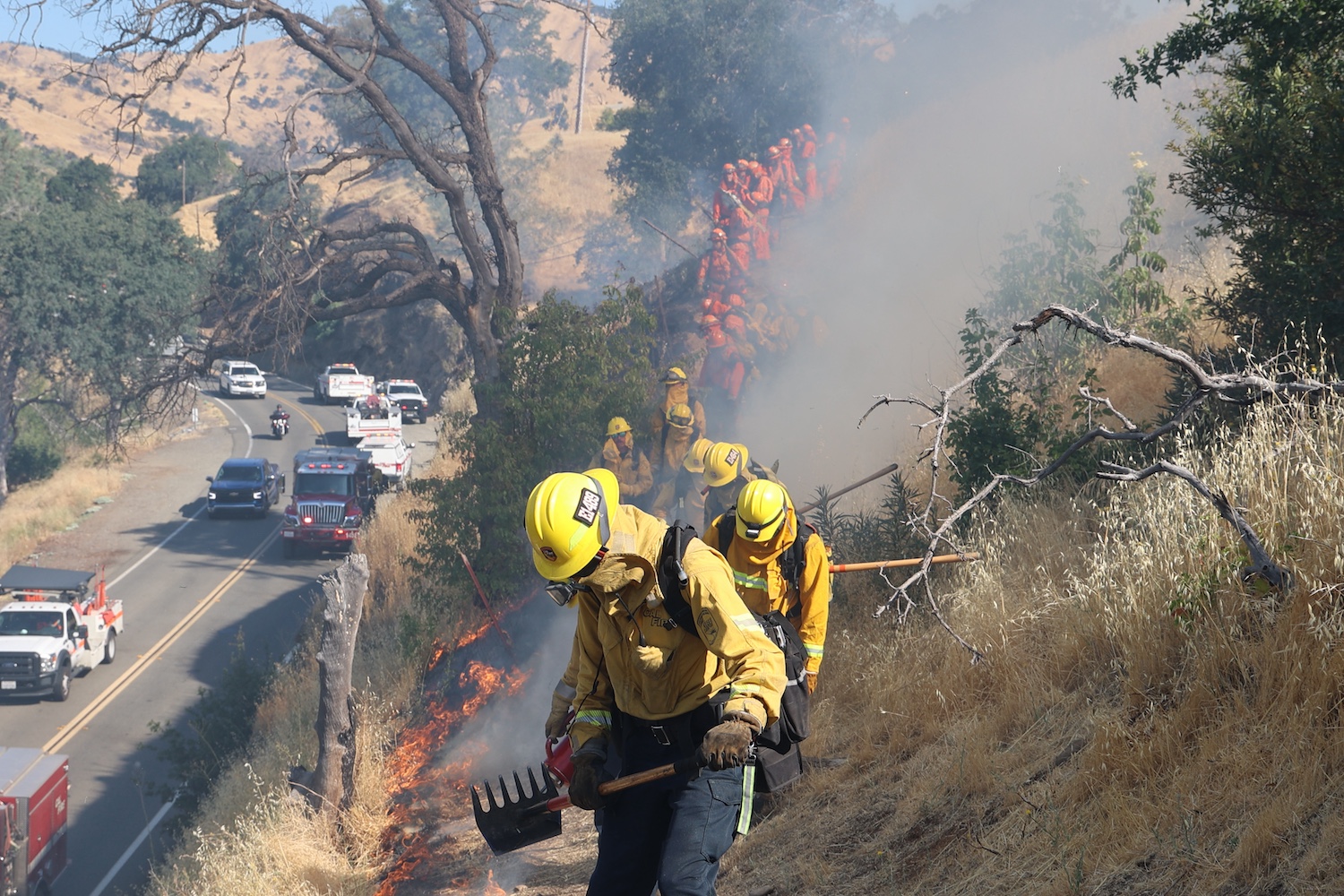
Governor’s January Budget Invests $457 Million in Wildfire and Forest Resilience
Governor’s January Budget Invests $457 Million in Wildfire and Forest Resilience
January 9, 2026 – The Governor’s proposed 2026–27 January Budget allocates $457 million to advance wildfire and forest resilience statewide, including $142 million from the Greenhouse Gas Reduction Fund (GGRF) and $315 million from Climate Bond funding. Due to auction proceeds from the November 2025 Cap-and-Invest auction coming in lower than anticipated, the proposal adjusts the GGRF continuous appropriation to $142 million, with funding prioritized to sustain key capacity, including grant administration staffing, 10 dedicated fuels crews for prescribed fire and fuel reduction, and continued grant support for healthy forests and fire prevention projects. Climate Bond investments will be distributed across CAL FIRE, the Department of Conservation, California State Parks, the California Conservation Corps, and state conservancies, supporting on-the-ground projects that reduce wildfire risk and strengthen community and landscape resilience.
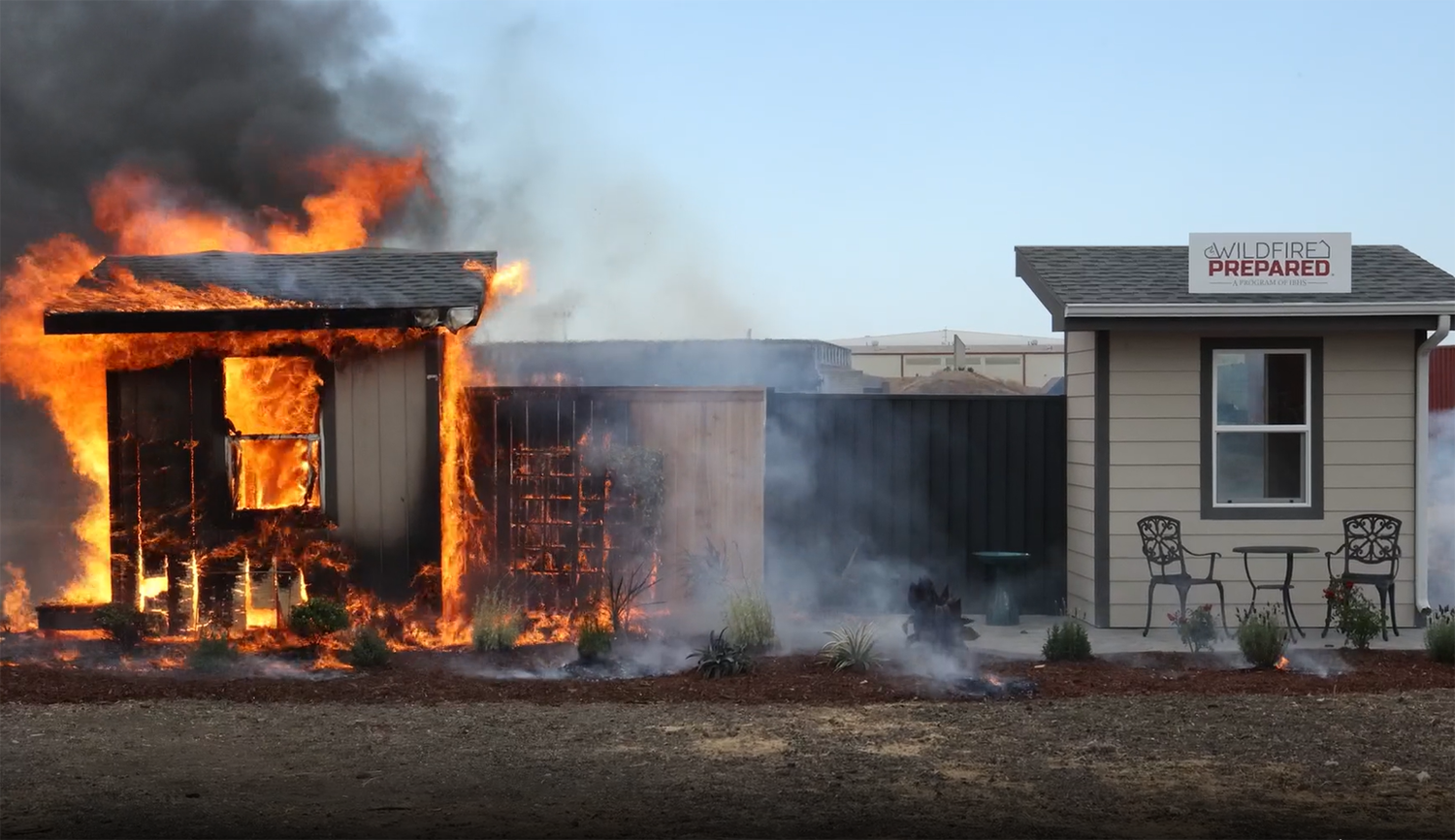
New Laws Strengthen Home Hardening, Insurance Access, and Wildfire Risk Transparency
New Laws Strengthen Home Hardening, Insurance Access, and Wildfire Risk Transparency
On January 1, 2026, three new laws, sponsored by California Department of Insurance Commissioner Lara, went into effect that are collectively advancing wildfire resilience and homeowner protections through a suite of new insurance and safety laws.
- The California Safe Homes Act (AB 888) establishes a new grant program at the Department of Insurance to help eligible residents afford critical home-hardening measures, including fire-safe roofs and “Zone Zero” mitigation within five feet of homes—some of the most effective yet costly steps to reduce wildfire risk.
- The California Wildfire Public Model Act (SB 429) advances transparency and public safety by supporting the nation’s first publicly available wildfire loss catastrophe model, giving communities, homeowners, and policymakers better tools to understand and plan for wildfire risk. This new law builds on recommendations from the Cal Poly Humboldt-led Public Wildfire Model Strategy Group.
- The Insurance and Wildfire Safety Act (AB 1) requires regular updates to California’s Safer from Wildfires insurance discount regulations to reflect the latest science and mitigation practices—these laws expand access to financial assistance, improve risk awareness, and strengthen protections for homeowners in wildfire-prone communities statewide.
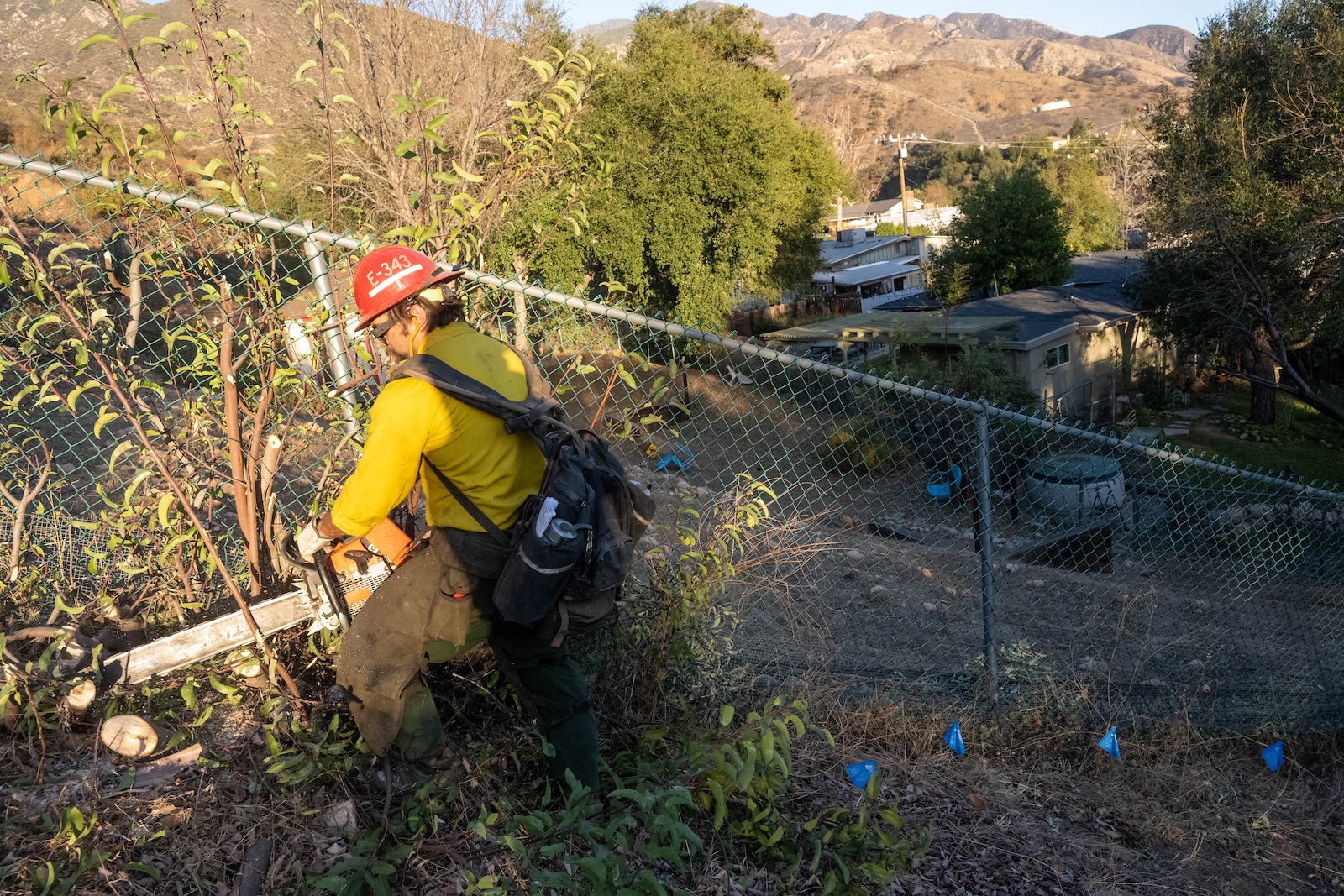
Senator Padilla Introduces Bipartisan Bill to Create New Community Wildfire Resilience Grant Program
Senator Padilla Introduces Bipartisan Bill to Create New Community Wildfire Resilience Grant Program
January 7, 2026 – U.S. Senators Alex Padilla (D-Calif.) and Tim Sheehy (R-Mont.), co-chairs of the bipartisan Senate Wildfire Caucus, announced bipartisan legislation to establish a new grant program to help local communities defend themselves from the growing danger of wildfires. The Community Protection and Wildfire Resilience Act would invest $1 billion annually to empower communities to implement additional science-based methods like home hardening for mitigating wildfire damage by funding new Community Protection and Wildfire Resilience Plans developed in coordination with community members, first responders, and relevant state agencies. The new community hardening grant program would be housed within the Federal Emergency Management Agency (FEMA). The bill would also add home hardening as an allowable project under the U.S. Forest Service’s Community Wildfire Defense Grant program.
Specifically, the bipartisan Community Protection and Wildfire Resilience Act would invest $1 billion per year to:
- Establish guidelines for communities to conceptualize new Community Protection and Wildfire Resilience Plans (CPWRP) that are developed in coordination with community members, first responders, and relevant state agencies. CPWRPs will focus on implementing strategies and activities relating to:
-
-
- Improving early detection technology, public outreach and education, alerts and warnings, evacuation planning, evacuation execution, and access for first responders;
- Addressing vulnerable populations, including the elderly and those with disabilities;
- Hardening critical infrastructure and homes;
- Applying community-scale defensible space across contiguous areas;
- Building local capacity to implement and oversee the plan;
- Deploying distributed energy resources like microgrids with battery storage;
- Implementing strategic land use planning;
- Educating community members; and
- Coordinating with existing wildfire plans like a Community Wildfire Protection Plan.
-
- Provide grants of up to $250,000 to develop a CPWRP and grants of up to $10 million to implement a CPWRP:
-
-
- Grants will be prioritized for low-income communities that are at high risk for fire or wildfire and communities recently impacted by a major wildfire.
-
- Complete a report on all federal authorities and programs to protect communities from wildfires;
- Study how a CPWRP could be used as certification for insurance companies assessing community resilience;
- Continuously update wildfire hazard maps;
- Assess impediments to emergency radio communications across departments and agencies; and
- Allow for structure hardening to be covered under existing community wildfire protection programs.
CAL FIRE and U.S. Forest Service Renew Statewide Wildfire Agreement
CAL FIRE and U.S. Forest Service Renew Statewide Wildfire Agreement
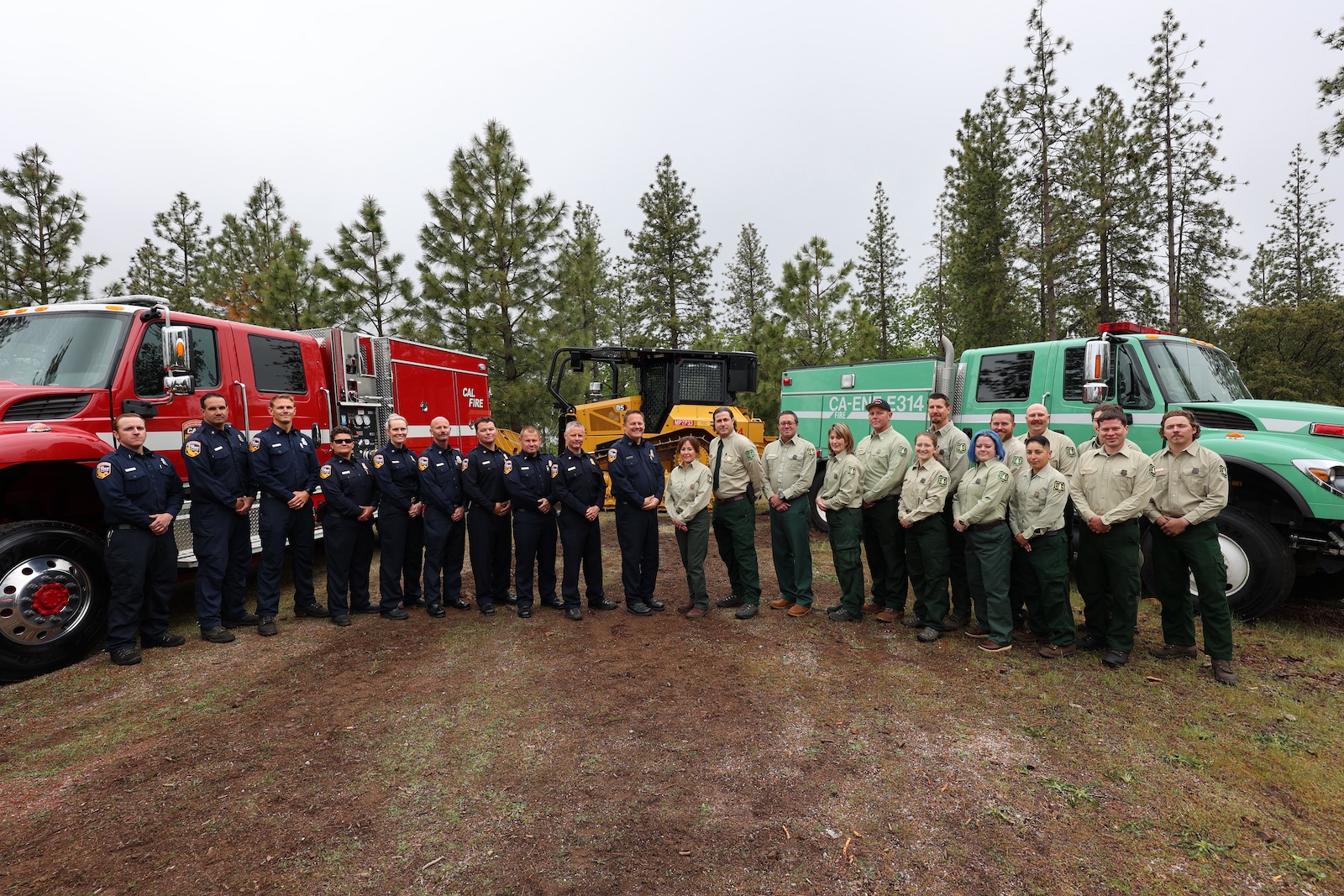
December 12, 2025 – The U.S. Forest Service Pacific Southwest Region and CAL FIRE signed a renewed California Fire Master Agreement — extending a long-standing framework for mutual wildfire response and cooperative risk-reduction work across California for the next five years. Under the agreement, Forest Service and CAL FIRE firefighters will continue operating side by side on wildfires and working together on hazardous fuels reduction projects to lower future wildfire risk. The agreement streamlines training, dispatching and the sharing of firefighting staff, facilities and equipment and prioritizes sending the closest available firefighting resources to a wildfire — regardless of jurisdiction — to better protect lives, property and natural resources.
Governor Newsom Extends Key Provision to Continue Fast-tracking Wildfire Projects
Governor Newsom Extends Key Provision to Continue Fast-tracking Wildfire Projects
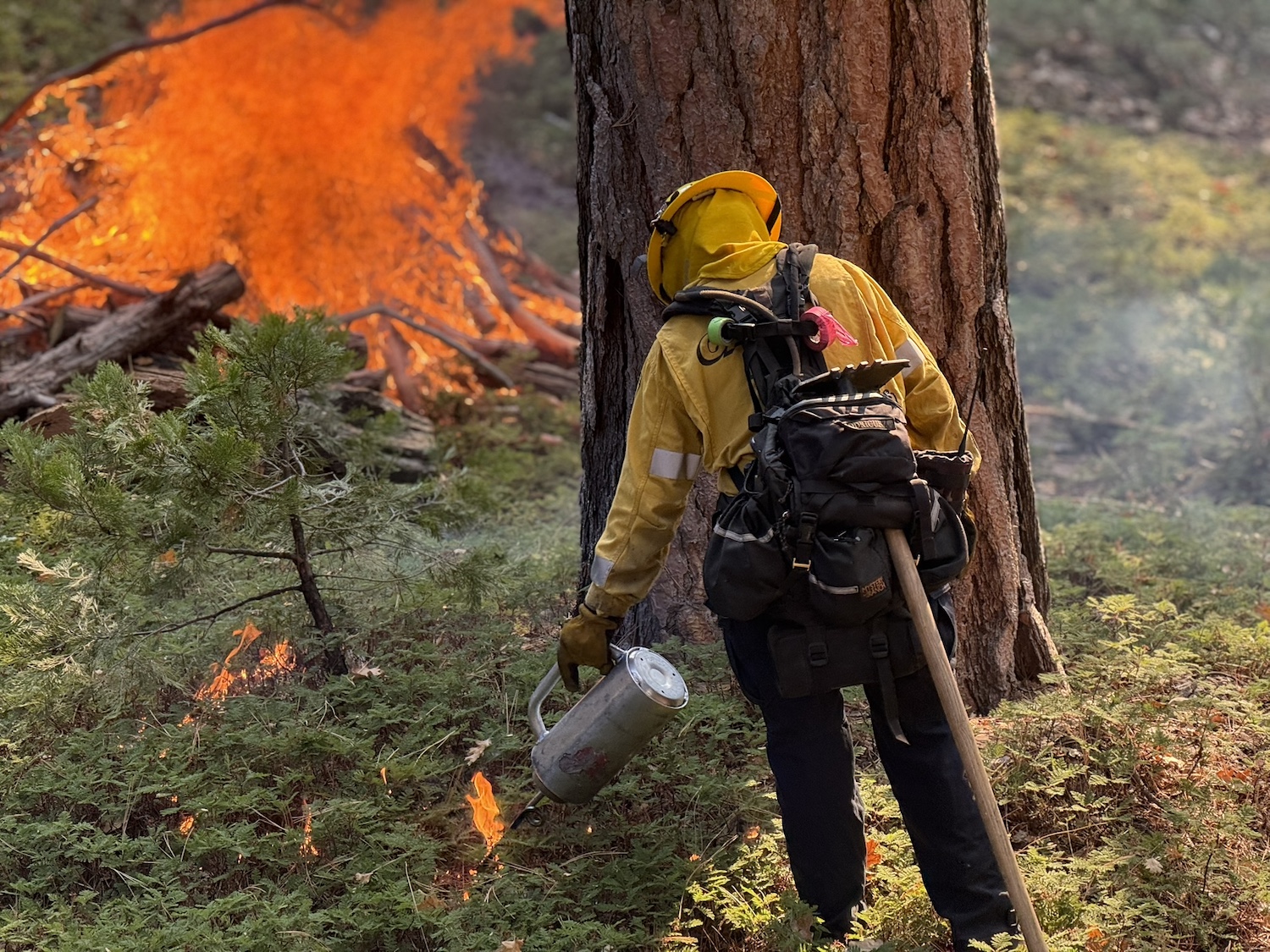
December 31, 2025 – Governor Newsom announced the extension of a key provision of the March 2025 Emergency Proclamation on wildfire that will enable California to continue moving faster than ever to reduce catastrophic wildfire risk through a streamlined permitting process for wildfire prevention projects. Previously, qualifying projects had to be “initiated” in the calendar year 2025. Now, eligible projects can be initiated through May 1, 2026. Through this fast-track process, projects are now being approved in as little as 30 days, saving a year or more of review time for more complex projects. To date, nearly 240 projects covering more than 40,000 acres have been approved statewide and half are already underway or have been completed.