
March 19, 2026 Sierra Regional Meeting Recap
SIERRA NEVADA REGIONAL MEETING RECAP & RECORDINGS
March 19, 2026
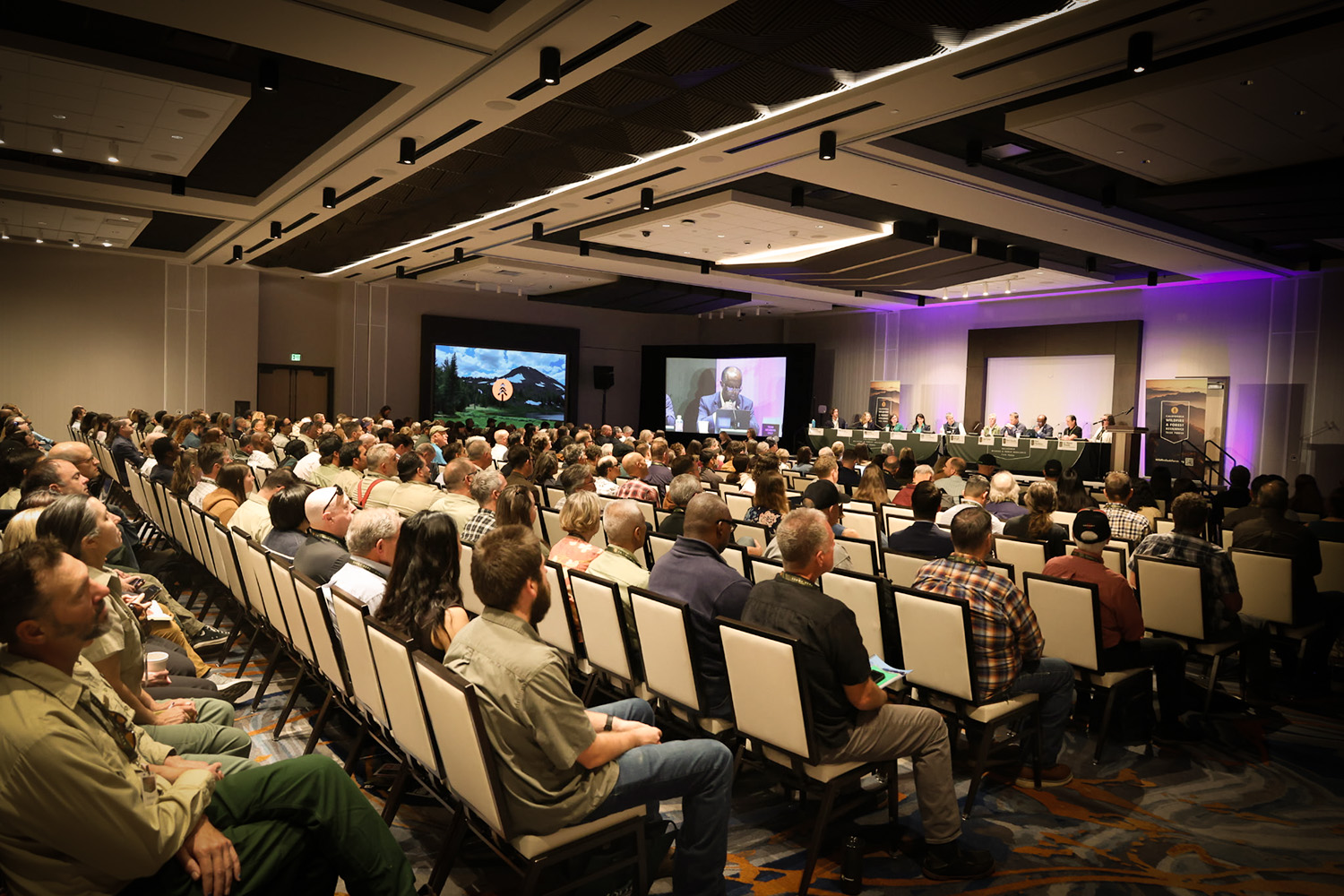
Hosted by Mountain Counties Water Resources Association and Sierra Nevada Conservancy, the Task Force’s Sierra Nevada Regional Meeting at the Chicken Ranch Casino Resort in Tuolumne County was the largest Task Meeting to date with nearly 500 people registered for in-person attendance and over 350 people joining online. During the meeting, three panels of local leaders provided examples of how partners in the Central Sierra are working across land ownerships, utilizing innovative funding strategies, developing a robust workforce and building necessary infrastructure to bring wildfire projects to scale.
Welcome & Opening Remarks
Tribal Representative
- Kyle Cox, Tuolumne Band of Me-Wuk Indians
Co-chairs
- Wade Crowfoot, California Natural Resources Agency
- Jason Kuiken, U.S. Forest Service
Task Force Executive Committee
- Joe Tyler, CAL FIRE
- Anne Cottrell, Rural County Representatives of CA
- Bobby Macaulay, CA State Association of Counties
- Don Hankins, Indigenous Stewardship Network
- Sam Assefa, Governor’s Office of Planning & Research
- Katy Landau, CalEPA
Director’s Report
Director’s Report
Patrick Wright, Wildfire and Forest Resilience Task Force
Achieving Resilience: Scaling Efforts for All-Lands Approach
Achieving Resilience: Scaling Efforts for All-Lands Approach
Moderator: Patrick Wright, Task Force
- Mike Albrecht, Associated California Loggers
- Jason Kuiken, U.S. Forest Service
- Liz Peterson, Tuolumne County
- John Buckley, Central Sierra Environmental Resource Center
Sustaining Resilience: Building Workforce & Infrastructure to Implement Projects at Scale
Moderator: Ashley Conrad-Saydah, Tahoe Regional Planning Agency
- James Hanson, Central Sierra Economic Development District
- Diana Beasley, Tuolumne Band of Me-Wuk Indians
- Anukool Lakhina, BurnBot
- Colin Campbell, Heartwood Biomass
Financing Resilience: Innovative Strategies for Funding Projects & Plans
Moderator: Ashley Conrad-Saydah, Tahoe Regional Planning Agency
- Nuin-Tara Key, California Forward
- Andrew Engler, RockRose Risk
- Kevin Johnson, PG&E
- Richard Sykes, Upper Mokelumne Watershed Authority
Closing Remarks
Executive Committee

California Fast Tracks 300 Wildfire Projects in 300 Days
FOR IMMEDIATE RELEASE
March 20, 2026
California Fast Tracks 300 Wildfire Projects in 300 Days
Progress Highlighted at Wildfire Task Force Regional Meeting
What you need to know: During the Wildfire and Forest Resilience Task Force’s Sierra Nevada Regional meeting, California announced it has fast-tracked over 300 critical fuels reduction projects across the state in just over 300 days— enabling a broad cross-section of communities, local fire safe councils, tribes, and organizations to move faster than ever before. Additionally, local partners showcased projects that are strengthening wildfire resilience in the Central Sierra and the Task Force previewed its 2026 Wildfire and Landscape Resilience Action Plan.
Jamestown, California – On March 19, Mountain Counties Water Resources Association and Sierra Nevada Conservancy hosted the California Wildfire and Forest Resilience Task Force’s Sierra Nevada Regional Meeting at the Chicken Ranch Casino Resort in Tuolumne County. During the meeting, the Task Force shared an update on California’s progress to streamline permitting for wildfire projects, which has enabled a wide range of agencies, tribes, and organizations to move faster than ever before to deliver real results. Three panels of local leaders provided examples of how partners in the Central Sierra are working across land ownerships, developing a robust workforce, and utilizing innovative funding strategies to bring wildfire projects to scale. Lastly, the Task Force provided updates on the development of its 2026 Wildfire and Landscape Resilience Action Plan.
“Across California, Task Force partners are proving that when we remove barriers and work together, wildfire resilience can happen faster and at the scale our communities and landscapes need,” said Task Force Director Patrick Wright. “From the Sierra Nevada and beyond, agencies, tribes, local leaders, and innovators are showing how collaboration, workforce development, and new funding approaches can turn momentum into real progress on-the-ground to protect communities and restore landscapes.”
CALIFORNIA FAST-TRACKS 300 PROJECTS ACROSS LAND OWNERSHIPS IN 300 DAYS
Following Governor Newsom’s emergency proclamation on wildfire, State agencies including the California Natural Resources Agency (CNRA) and California Environmental Protection Agency (CalEPA), have coordinated to cut red tape and fast-track critical wildfire safety projects across the state, all while maintaining vital environmental safeguards. Through this streamlined process, projects are now being approved in as little as 30 days, saving a year or more of review and red tape for more complicated projects.
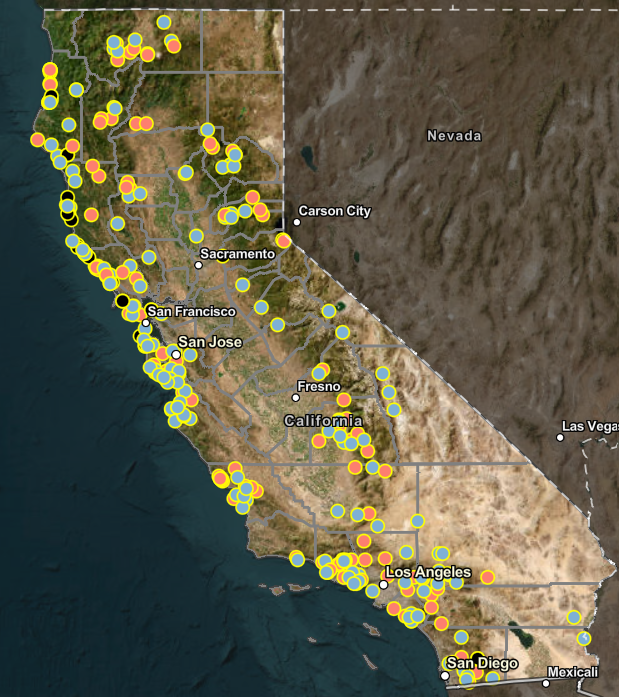
Thanks to these efforts, over 300 projects across nearly 57,000 acres have been approved in all reaches of the state. This streamlining process has been a game changer for a wide range of state and federal agencies, tribes, resource conservation districts, firesafe councils, private landowners and more, to get critical work done faster. Fast-tracked projects are protecting vulnerable communities, improving defensible space, creating evacuation routes, and restoring ecosystems. We are already seeing a major impact on the ground with notable projects including:
- a collaborative 600+ acre fuels reduction project protecting communities in the Los Angeles area near the Palisades footprint led by the Mountains Recreation and Conservation Authority;
- the 450 acre Prosper Ridge Community Wildfire Resilience Project that is incorporating cultural burning and prescribed fire for community protection in Humboldt County;
- the nearly 3, 000-acre Scott Valley/Callahan Fuels Reduction Project to restore ecosystem health and protect vulnerable rural communities in Siskiyou County; and
- a project offering defensible space assistance for seniors and at-needs residents in Tuolumne County.
Thanks to the Governor’s extension of the emergency proclamation, project streamlining applications are being accepted through May 1, 2026. Visit the Task Force’s Project Streamlining webpage to learn more, view all approved projects and submit your application.
SHOWCASING LOCAL EFFORTS IN THE CENTRAL SIERRA
Unprecedented Collaboration Across Ownerships: The Sierra Nevada Regional Meeting highlighted how partners are coordinating work across federal, state, tribal, local, and private lands to achieve meaningful landscape-scale impact. A prime example showcased at the meeting is the Social and Ecological Resilience Across the Landscape (SERAL) project, a landmark collaboration that is restoring forest health and reducing wildfire risk across tens of thousands of acres by coordinating treatments across public and private lands—demonstrating how large-scale, science-based forest management can strengthen both ecological resilience and local economies. Another example of how the Central Sierra is overcoming challenges experienced in other parts of the state is the opening of Tuolumne BioEnergy, a new biomass facility in Sonora that will help convert forest waste from fuels reduction projects into renewable energy while supporting local forest management and reducing the amount of material left to burn in wildfires.
Building a Workforce to Implement Projects at Scale: Local leaders emphasized that scaling wildfire resilience work requires a skilled workforce. The Tuolumne Band of Me-Wuk’s Tuolumne Rancheria Fire Department shared how they are building tribal leadership in fuels reduction, cultural burning, and community protection. The wildfire technology company BurnBot shared how new technologies are helping accelerate work on-the-ground and how its equipment can help land managers conduct prescribed fire more efficiently and safely. Local businesses are also playing an important role in the Central Sierra. Companies such as Heartwood Biomass are creating jobs while supporting forest health by processing and utilizing material removed during fuels reduction projects. Together, these efforts are helping grow a stewardship workforce capable of implementing wildfire resilience work at the scale California needs.
Innovative Strategies to Fund Wildfire Resilience: Meeting panelists discussed how emerging approaches to financing wildfire mitigation are aligning economic incentives with risk reduction through innovative insurance and financing models that reward communities and property owners that invest in wildfire resilience. One example is RockRose Risk, which is working with communities to provide insurance discounts for homeowners who complete wildfire mitigation work. A pilot effort in Incline Village, Nevada demonstrates how investments in defensible space and home hardening can translate directly into lower insurance costs.
LOOKING AHEAD TO THE 2026 ACTION PLAN
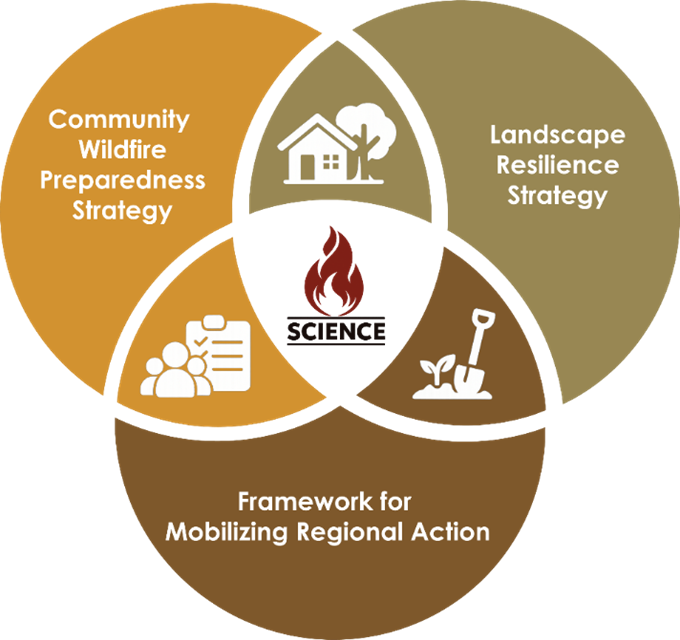
The Task Force provided an overview on the development of the 2026 California Wildfire and Landscape Resilience Action Plan, previewing how the Plan will provide a statewide framework to align investments and guide regional and local planning and implementation, with a focus on the measures that reduce risk at scale and improve long-term resilience. The Plan will include two complementary strategies: one focusing on reducing wildfire impacts in and around communities and one focusing on improving landscape health to lower the likelihood and consequences of high-severity wildfire. A statewide framework for mobilizing regional action will support both strategies by aligning planning, permitting, implementation, reporting, and funding—ensuring priorities translate into coordinated work that reduces fire intensity near communities, strengthens preparedness, and enables more efficient projects and expanded use of beneficial fire.

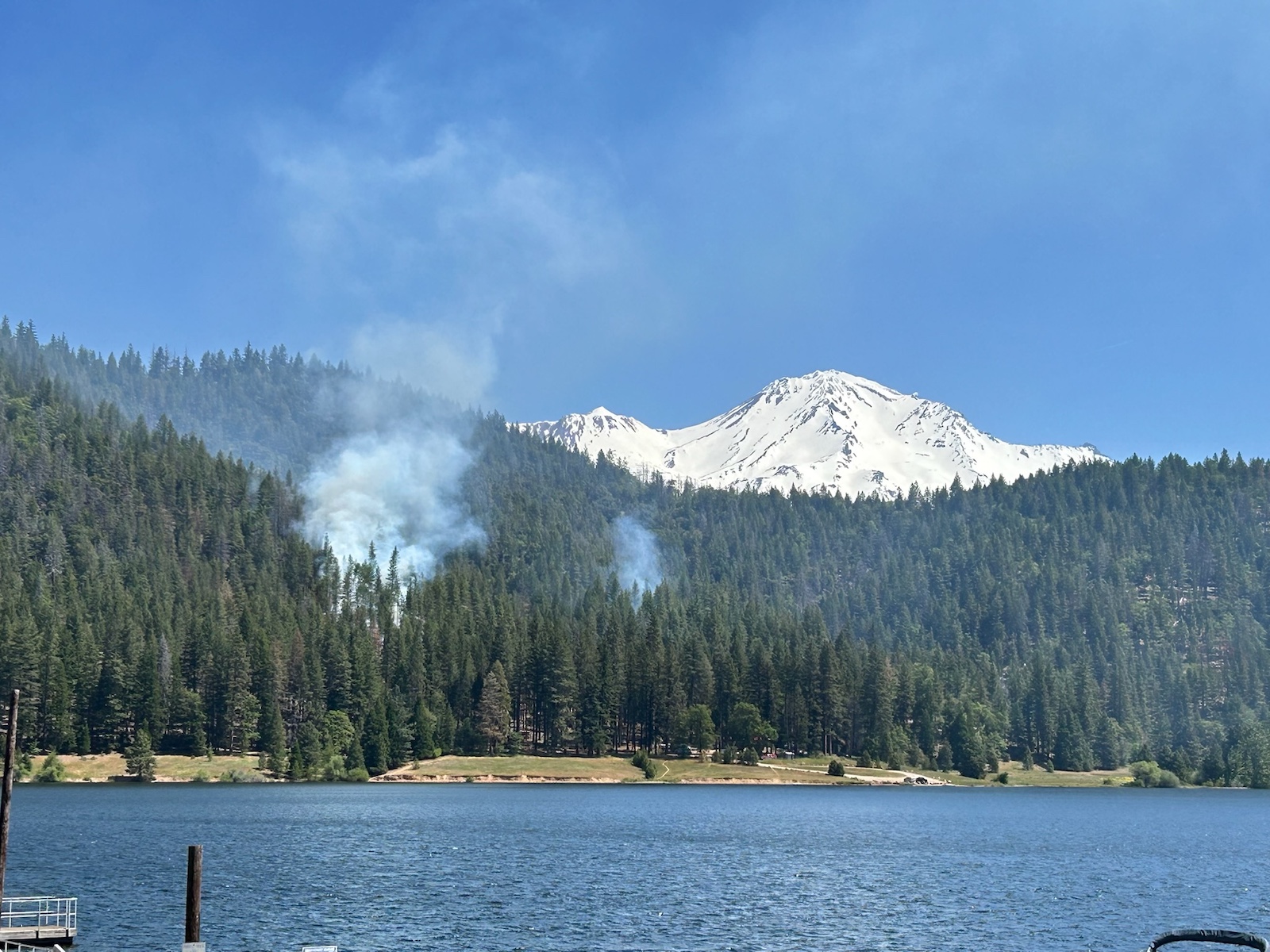
California Opens Solicitations and Posts Draft Guidelines for Wildfire and Landscape Resilience Grants
California Opens Solicitations and Posts Draft Guidelines for Wildfire and Landscape Resilience Grants
February 25, 2026 – Programs across multiple California agencies announced the availability of funding from the 2024 California Climate Bond (Proposition 4) and Greenhouse Gas Reduction Fund (GGRF) and posted drafts of grant guidelines for public review and comment.
CAL FIRE Makes $130 Million Available in Wildfire and Landscape Resilience Grants:
- CAL FIRE’s Forest Health program announced the availability of up to $120 million for landscape-scale forest management and restoration efforts designed to improve ecosystem resilience, reduce wildfire risk, and deliver climate benefits such as increased carbon storage and reduced greenhouse gas emissions. The solicitation includes $55 million in GGRF and $65 million in Climate Bond funding. The deadline to apply is March 30, 2026.
- CAL FIRE Business and Workforce Development announced the availability of $10 million in GGRF funds for projects that advance the business of healthy, resilient forests across California by encouraging private investment in clean technologies; employing innovative wood-processing solutions; and supporting the development of a skilled and resilient forest-sector workforce. The deadline to apply is May 20, 2026.
CAL FIRE and Sierra Nevada Conservancy Post Draft Wildfire and Landscape Resilience Grant Guidelines for Review:
The Climate Bond made available funding to “implement regional projects, including, but not limited to, landscape-scale projects developed by forest collaboratives, projects developed by regional entities, and projects that implement strategies developed by state conservancies.” Both CAL FIRE and SNC have posted draft guidelines for public review that will guide the distribution of these funds.
- CAL FIRE is inviting public feedback on draft guidelines for Regional Wildfire & Landscape Resilience Grants. This new grant opportunity will direct $30 million in FY24/25 Climate Bond funding to collaborative land management partnerships and entities that have developed, planned, and are ready to implement portfolios of multi-benefit projects across a landscape. Comments are due April 13, 2026.
- The Sierra Nevada Conservancy (SNC) is inviting public comment on draft Landscape Grant Program Guidelines that will mobilize funds from the 2024 Climate Bond for regional projects, including landscape-scale projects developed by forest collaboratives. This directed grant program will provide substantial funding to collaborative groups working across multi-jurisdictional landscapes, advancing portfolios of restoration and resilience projects that address ecological and community priorities at a meaningful scale. Comments are due March 25, 2026.

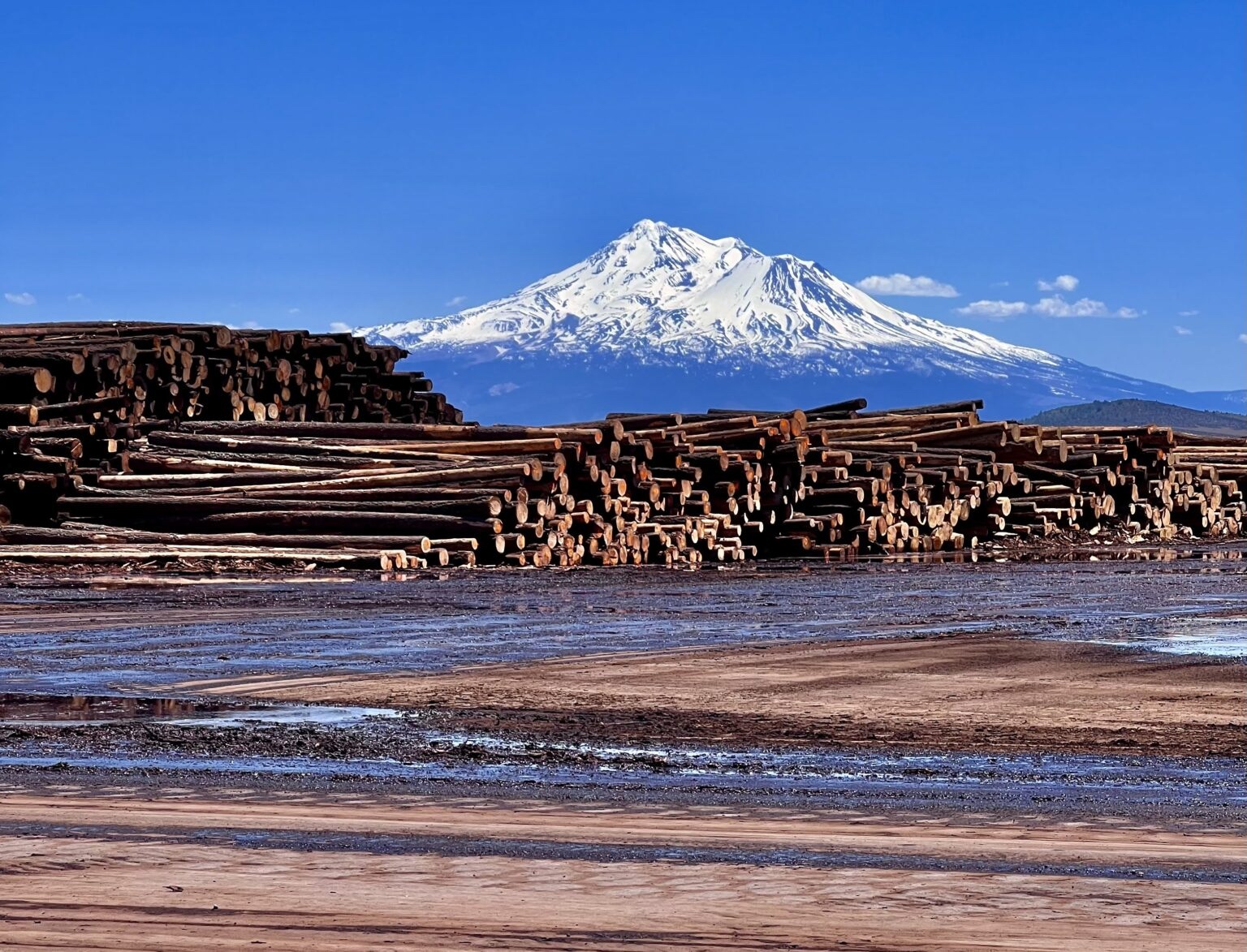
California Air Resources Board Releases 2025 Natural and Working Lands Carbon Inventory
California Air Resources Board Releases 2025 Natural and Working Lands Carbon Inventory
February 11, 2026 – The California Air Resources Board (CARB) released a state-of-the-science inventory of carbon stocks and carbon stock change from all lands in California, as well as harvested wood products. This release represents the most comprehensive estimate ever done of California’s carbon stocks in natural working lands, and also includes a supplemental report on the effects of wildfire and forest management on greenhouse gas emissions and carbon stock change. The inventory shows that even with catastrophic wildfires occurring more recently, the state’s natural and working lands have absorbed more carbon than they released since 2001, helping counterbalance emissions from those fires. In most years, emissions from wildfire were lower than rates of uptake due to net primary production. However, in 2008, 2020, and 2021, wildfire emissions greatly exceeded net uptake by trees, shrubs, plants, and grasses.