
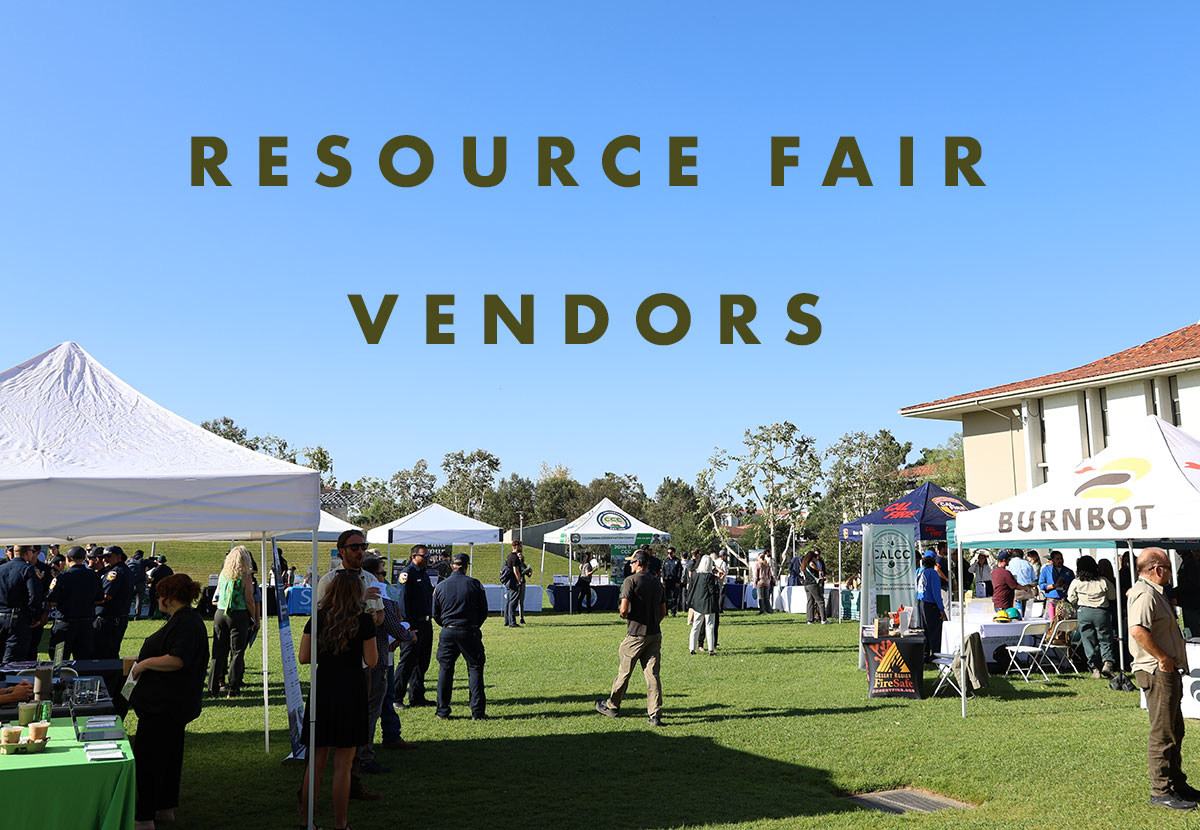
Inland Empire Resource Fair Vendors
Over 30 vendors participated in the Resource Fair!
CLICK THE NAMES BELOW TO FIND OUT MORE
-
Inland Empire Fire Safe Alliance
-
California Department of Insurance
-
Desert Region Fire Safe
-
UC Agriculture and Natural Resources (UC ANR)
-
BurnBot, Inc.
-
Forestry Educators Incorporated / Forestry Challenge
-
Ascent
-
The Forestry & Fire Recruitment Program (FFRP)
-
California Conservation Corps
-
Foundation for California Community Colleges
-
California Fire Safe Council
-
Headwaters Resiliency Partnership
-
TreePeople
-
American Forests
-
Southern California Wildfire Resilience Partnership
-
Southern California Mountains Foundation
-
CalTrans – Office of Natural Resource Managment
-
USFS
-
National Forest Foundation
-
SWCA
-
Dudek
-
Center for Community Action and Environmental Justice

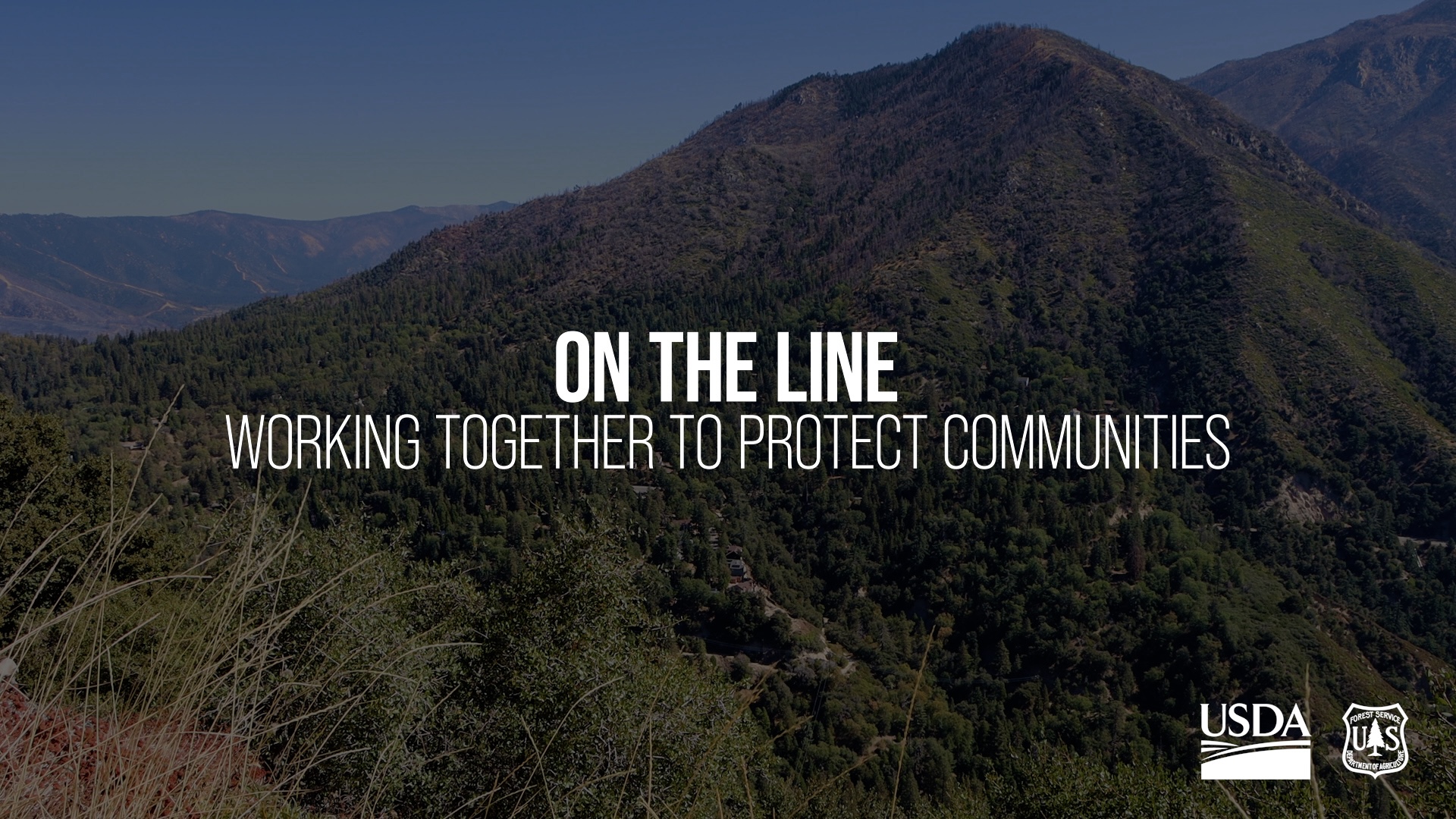
New Videos Demonstrate How Collaborative Fuels Treatments Protected Communities from 2024 Wildfires
New Videos Demonstrate How Collaborative Fuels Treatments Protected Communities from 2024 Wildfires
September 4, 2025 – One year ago, the Line Fire on the San Bernardino National Forest threatened homes, infrastructure, and lives. At the same time, wildfires on the Angeles and Cleveland National Forests, the Bridge and Airport Fires, burned nearby, posing similar threats. Thanks to advanced planning and proactive forest management across Southern California forests, fire crews were able to hold the line and protect nearby communities. The Task Force showcased these videos at its recent Inland Empire Regional Meeting in addition to featuring panels with staff that were critical to implementing these proactive life-saving projects.

Governor Newsom Unveils California’s Updated Climate Adaptation Strategy
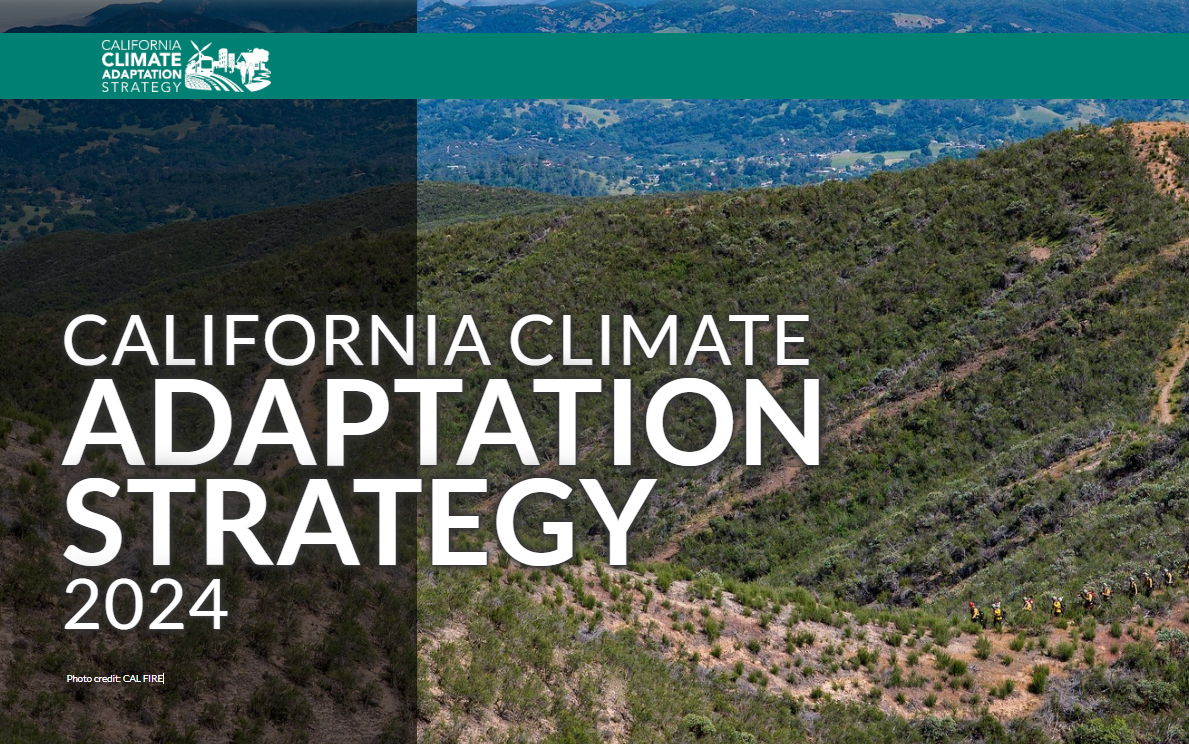
Governor Newsom Unveils California’s Updated Climate Adaptation Strategy
September 4, 2025 – Governor Newsom unveiled California’s updated Climate Adaptation Strategy — the state’s overarching framework to better protect communities and nature from dangerous climate impacts. California last updated the Strategy in 2021. The updated strategy sets strategic direction through six priorities:
- Protecting communities most vulnerable to climate change
- Improving public health and safety to protect against increasing climate risk
- Building a climate-resilient economy
- Expanding nature-based climate solutions and strengthening the resilience of natural systems
- Making decisions based on best available climate science
- Partnering and collaborating to leverage resources
These priorities are supported by cross-cutting climate resilience actions, each with associated success metrics. The strategy aligns with and builds on the goals set forth by California’s Wildfire and Forest Resilience Action Plan and includes the following actions specific to wildfire resilience:
- Prioritize actions that reduce wildfire risks to California Native American tribes and climate vulnerable communities.
- Support wildfire-prone communities by increasing the capacity of local and regional partnerships to build and maintain a pipeline of forest health and fire prevention projects.
- Invest Community Development Block Grant Disaster Recovery funds in long-term disaster recovery and resilience building that targets the unmet housing recovery needs of low and moderate-income households in a way that mitigates disaster risk and reduces future losses among vulnerable communities.
- Reduce health impacts of wildfire and prescribed fire smoke.
- Reduce the risk of energy infrastructure-related ignitions that lead to catastrophic wildfire.
- Bring to scale a thriving forest and wood products market in California that leverages public investments by energizing private capital for sustainable forest management, regional economic recovery, and climate resilience.
- Increase the pace and scale of wildfire resilience and forest health projects.
- Reduce risks of wildfire through increased use of fuel breaks and fuels reduction.
- Assist the federal government in scaling up forest treatments by supporting collaborative forest management and encouraging landscape level planning.
- Coordinate and guide prescribed fire and cultural fire activities and address the key barriers to its widespread use in California.
- Expedite permitting processes for wildfire and forest resilience projects using exemptions or the California Vegetation Treatment program.
- Invest in science-based management focused on climate resilience of California’s fire adapted landscapes.
- Improve wildfire smoke guidance for schools, children, and other vulnerable populations. Develop outreach materials for health care providers and the public on wildfire smoke health effects and ways to decrease exposure.
- Collaborate with federal, state, tribal, and private partners to increase pace and scale of restoration of fire-adapted lands and maximize the climate resilience benefits of these treatments.
- Leverage federal funding to support fire-hardening roads and communities.
California Joins Northwest Wildland Fire Fighting Compact
California Joins Northwest Wildland Fire Fighting Compact
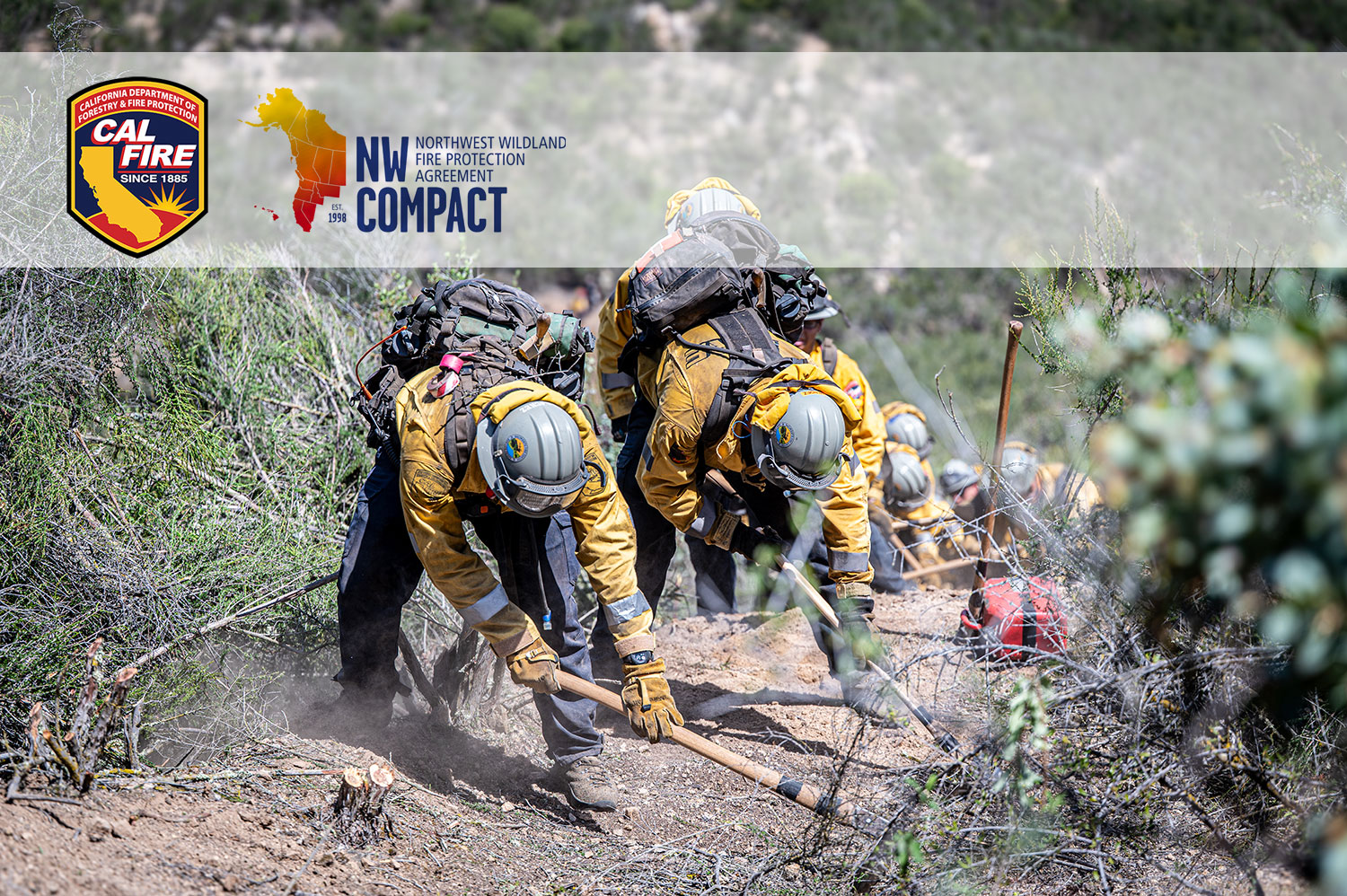
September 5, 2025 – California along with Nevada became the newest members of the Northwest Wildland Fire Protection Agreement. Joining the Northwest Compact will give California access to additional wildfire prevention and firefighting resources and expertise during major incidents. The Compact also will facilitate California’s firefighters gaining experience with fire suppression efforts in other member regions. The Northwest Compact was created in 1998 and is one of eight forest firefighting Compacts currently operating across North America. The purpose of the NW Compact is to promote effective prevention, suppression, and control of forest fires in the Northwest wildland region of the United States and western areas of Canada. It provides an efficient way for member states, provinces, and territories to cope with wildland fires that might be beyond the capabilities of a single member agency, through information sharing, technology, and resource distribution. The NW Compact’s existing members include Alaska, Arizona, Idaho, Washington, Oregon, Montana and Hawaii in the U.S., as well as the Canadian provinces Alberta, Saskatchewan, British Columbia, and the Yukon and Northwest territories.
Interagency Partners Sign Charter to Reduce Wildfire Ignitions in Southern California
Interagency Partners Sign Charter to Reduce Wildfire Ignitions in Southern California
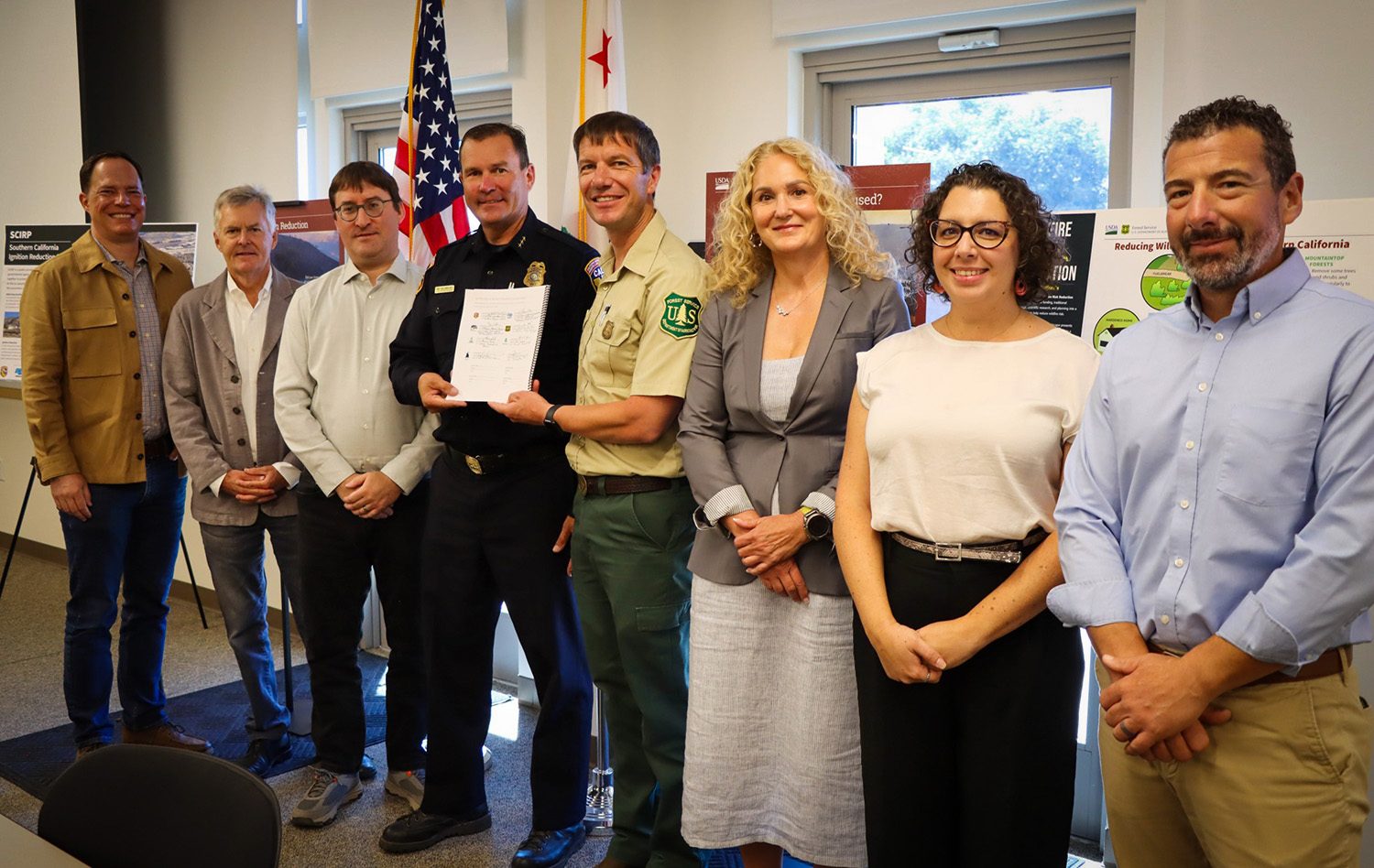
September 3, 2025 – Federal, state, and nonprofit partners, including the U.S. Forest Service, CAL FIRE, the California Department of Conservation, Caltrans, and the California Wildfire and Forest Resilience Task Force signed the Southern California Ignition Reduction Program (SCIRP) charter at the Southern California Geographic Area Coordination Center in Riverside. SCIRP is a public-private partnership created to reduce human-caused wildfire ignitions, particularly along roadways where nearly two-thirds of Southern California wildfires begin. The charter will reduce ignitions, lower costs, and limit wildfire impacts across jurisdictional boundaries.
With nearly 95 percent of wildfires in the region sparked by human activity, SCIRP was established in 2023 to directly confront wildfire risk. SCIRP’s mission is to systematically plan, fund, and carry out projects that reduce human caused ignitions while building public awareness and support. Its vision is a future where Southern California fires are limited to natural or beneficial ignitions, and roadways are lined with ignition-resistant materials and native plants.
The program is led by an Executive Committee that includes the U.S. Forest Service, Caltrans, CAL FIRE, and the California Department of Conservation, with advisory support from the National Forest Foundation, Blue Forest, and Conservation Investment Management.