

Following Governor’s Executive Order, California Takes Swift Action to Expand Beneficial Fire Statewide
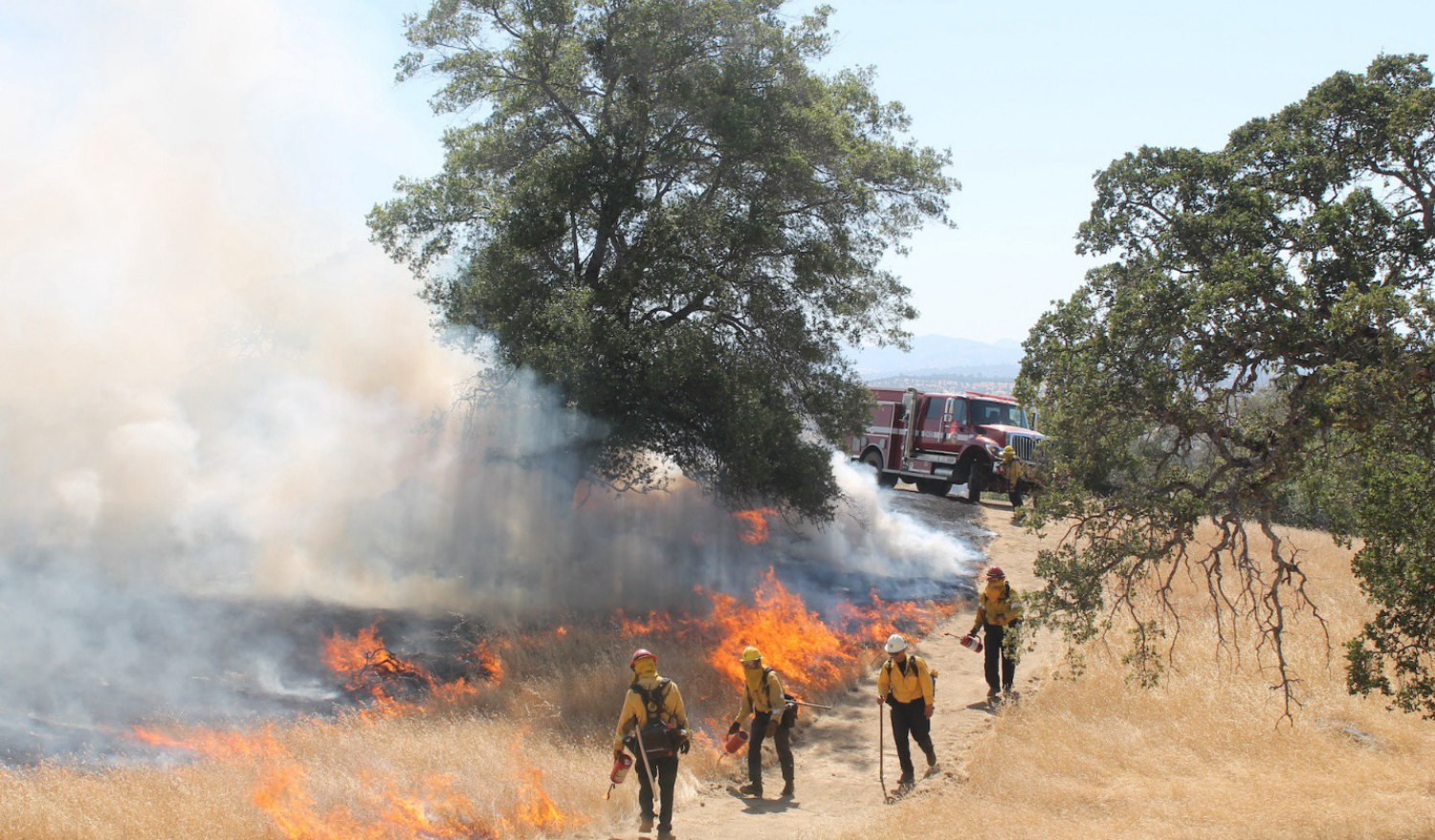
Just six months after Governor Gavin Newsom signed an executive order directing state agencies to reduce red tape and expand tools to safely deploy beneficial fire, State agencies have moved quickly to provide immediate on-the-ground support to local governments and fire practitioners to maximize beneficial fire use.
California has expedited beneficial fire projects, expanded partnerships with Native American tribes, strengthened alignment with air quality entities, and built capacity for practitioners through updated policies, streamlined processes, and training initiatives. Since July 2025, CAL FIRE has treated nearly 20,000 acres with prescribed fire and State Parks has rapidly expanded its prescribed fire program—treating over 1,300 acres, seizing key burn windows to complete high-priority projects in iconic parks, and strengthening capacity through new leadership and training for hundreds of staff and partners. Learn more about California’s progress on expanding beneficial fire.
Actions Taken to Date in Response to the Order
Expediting Beneficial Fire Projects
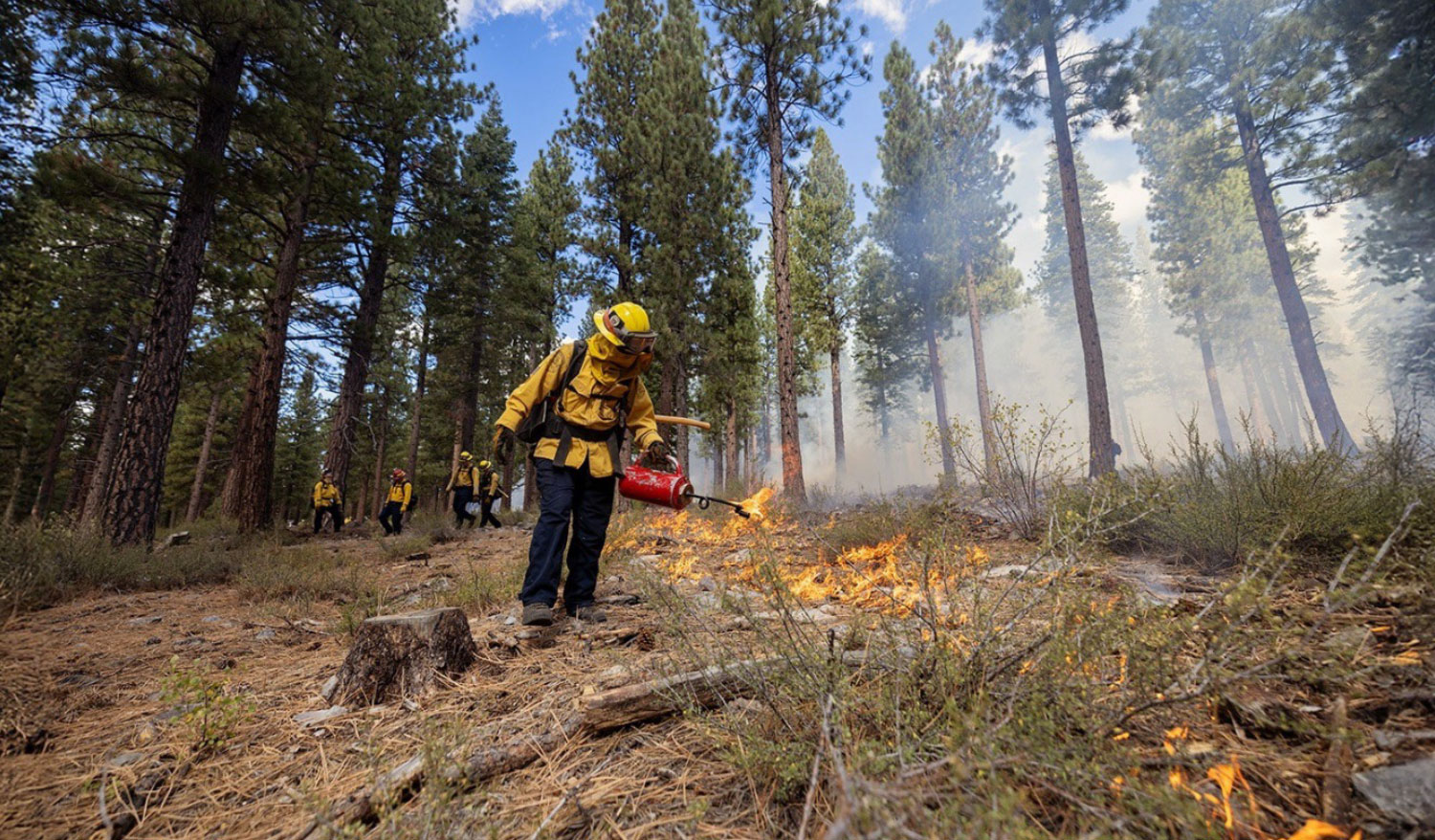
Assisting local agencies: To make it easier for CAL FIRE to help others with beneficial fire projects, CAL FIRE issued a Temporary Directive clarifying various roles for Department resources when collaborating with entities such as prescribed burn associations, cultural burn practitioners and local agencies on burns. The Temporary Directive will be replaced by CAL FIRE Handbook Policy and Procedure to ensure the language of the Directive is enduring. (EO Action 1)
Streamlining agreements and forms: CAL FIRE has updated its agreement and right of entry forms for prescribed fire projects on private, state, and federal lands to streamline the process for working with cooperators on beneficial fire projects. (EO Action 1)
Suspending required site visits: To allow projects to be implemented more quickly, CAL FIRE issued a Temporary Directive stating that site visits or inspections are not required when burn permit applications are received from qualified beneficial and cultural fire practitioners. The Temporary Directive also encourages relationships with beneficial fire practitioners. (EO Action 2)
Expanding participation in the Liability Claims Fund: To enable additional qualified entities to participate in the Prescribed Fire Liability Claims Fund Pilot Program, CAL FIRE updated the Prescribed Fire Claims Fund FAQ document posted on its website to affirm that volunteer fire departments or districts and Resource Conservation Districts can enroll in the Claims Fund. (EO Action 3)
Updating CAL FIRE’s prescribed fire guidebook: CAL FIRE’s Prescribed Fire Committee is in the process of updating the CAL FIRE prescribed fire guidebook to be inclusive of non-CAL FIRE beneficial fire practitioners. This is intended to more effectively support prescribed fires that are primarily planned and / or conducted by non-CAL FIRE entities. In the meantime, the existing guidebook posted on the CAL FIRE website encourages non-CAL FIRE practitioners to use the guidebook as a reference in the development of their projects. (EO Action 4).
Developing template agreements: CAL FIRE has updated all template agreements for projects on private, state, and federal lands to facilitate efficient and effective coordination. (EO Action 5)
Fast-tracking projects: CNRA and CalEPA continue to explore options for establishing a durable process to fast-track beneficial fire projects beyond the end of Governor Newsom’s March 1, 2025, State of Emergency proclamation. (EO Action 6)
Expanding Partnerships With Native American Tribes
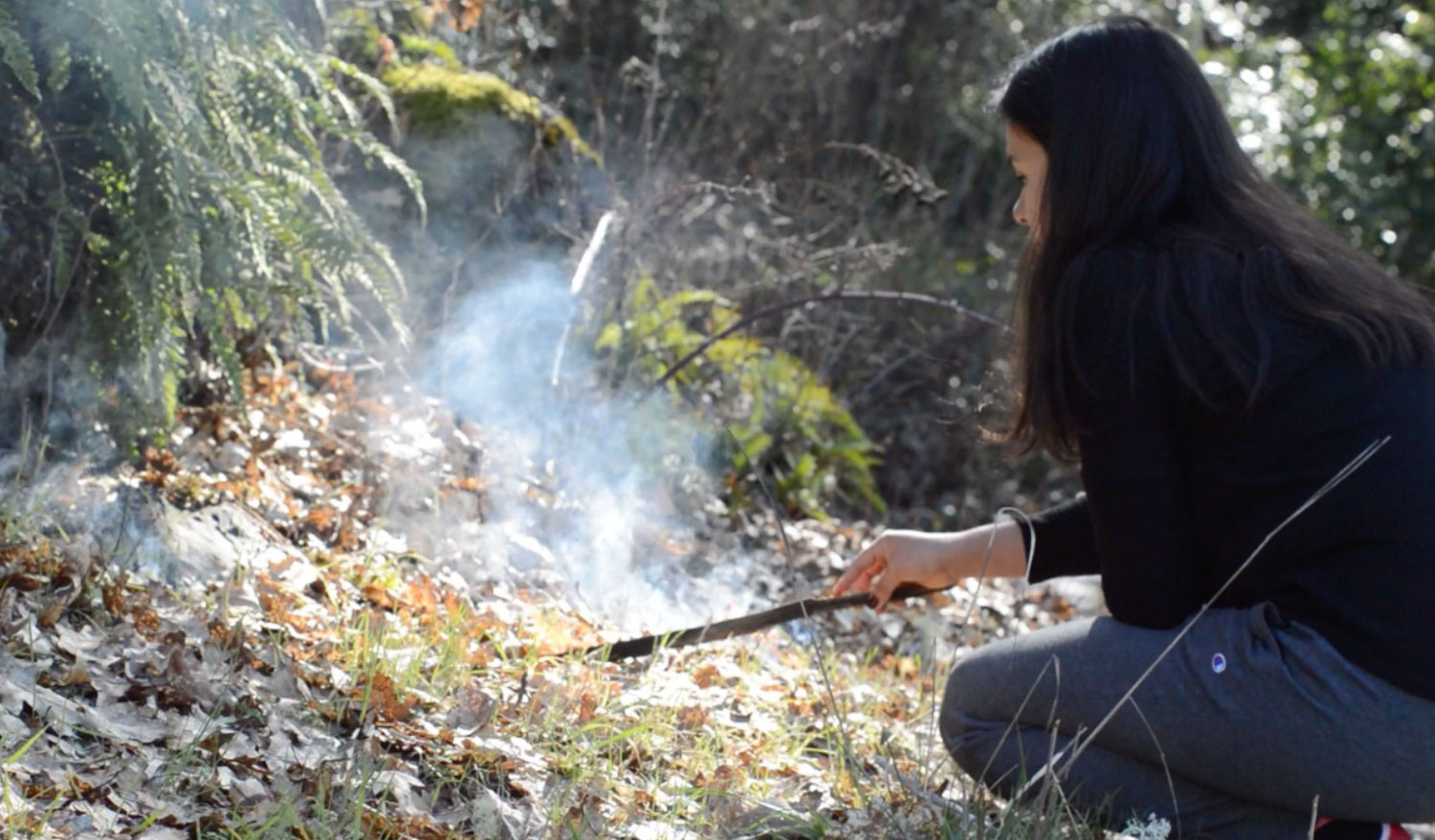
Improving collaboration with tribes: In March 2026, CNRA launched the state’s first-ever Tribal Stewardship Policy, establishing a statewide goal of expanding tribal stewardship over at least 7.5 million acres of lands and coastal waters in California. The Policy sets clear standards to institutionalize meaningful and durable tribal-state partnerships and advance tribal stewardship through tribal access, collaboration, and ancestral land return. (EO Action 7)
Strengthening Alignment With Air Quality Entities
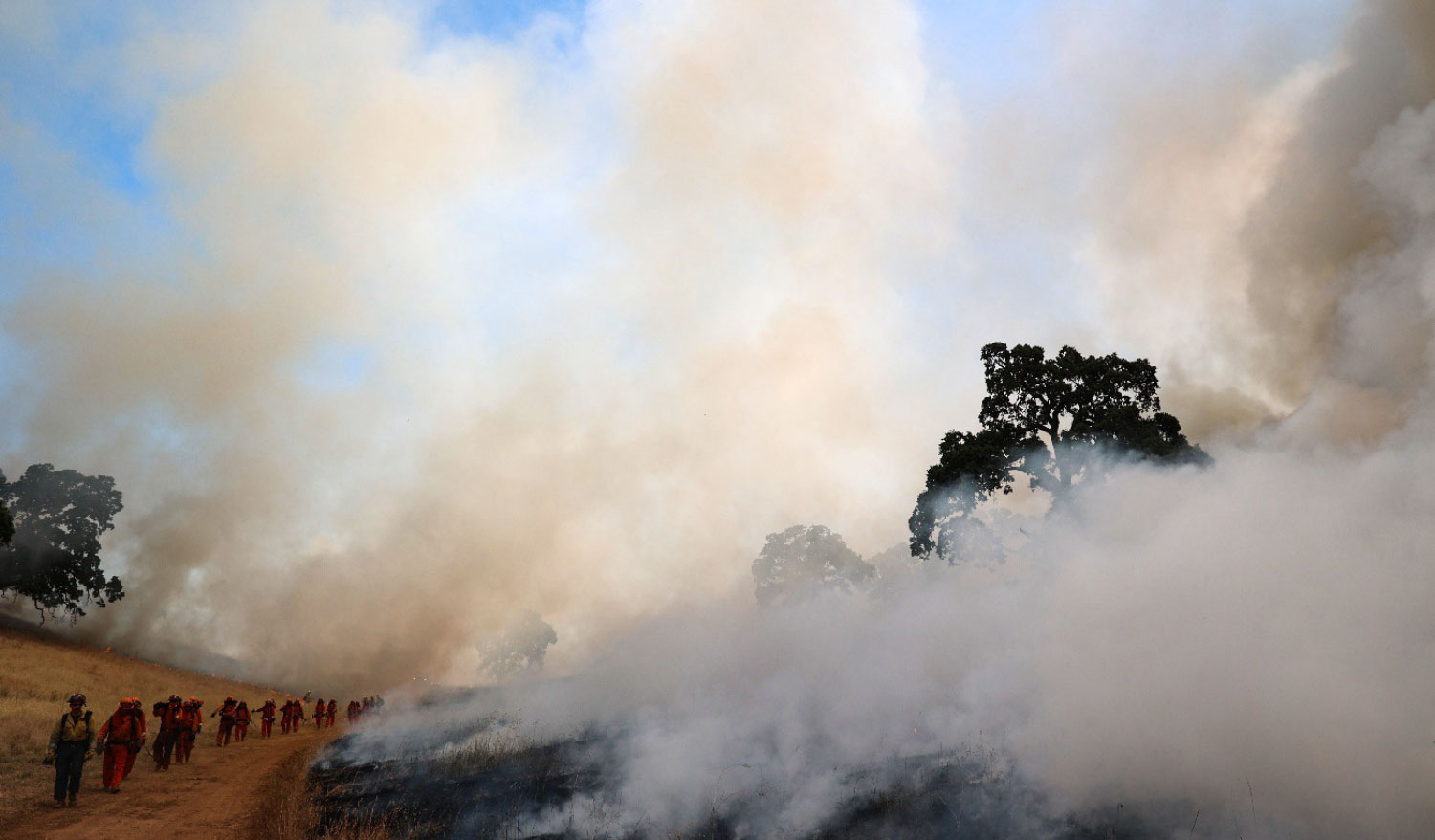
Collaboration with air districts: The California Air Resources Board (CARB) is actively participating in two key interagency forums that support the implementation of beneficial fire: the California Wildfire and Forest Resilience Task Force Beneficial Fire Workgroup and the California Air Pollution Control Officers Association (CAPCOA) Prescribed Fire Committee. Through the Beneficial Fire Work Group, CARB is providing updates on the Smoke Management Program, presenting information on systems such as the Prescribed Fire Information Reporting System (PFIRS) and engaging in ongoing discussions to streamline air regulatory processes. Through the CAPCOA Prescribed Fire Committee, CARB gives Air Districts updates on smoke monitoring, communications, and training. Recently, CARB staff have been using these meetings to engage the districts on opportunities for expanding burn window authorizations. (EO Action 8)
Identifying best practices for consistent permitting and smoke management: CARB has developed draft smoke management best practices to support program implementation. These drafts address key areas such as reporting requirements, burn day declarations, and communication guidelines and will be incorporated into the statewide training sessions. (EO Action 9)
Developing longer burn authorization windows: CARB has completed internal analysis on the efficacy of 48-hour burn windows and is currently developing procedures to implement the longer burn windows that will better facilitate larger beneficial fire projects and the staging of resources. Additionally, Smoke Management Guidelines (Title 17, California Code of Regulations, section 80100 et seq.) provide flexibility to support larger-scale beneficial fire projects. The Guidelines include provisions that allow burning on CARB-declared no-burn days and grant discretion to CARB forecasting staff in applying meteorological criteria when determining burn day status. (EO Action 10)
Improving access to technology: CARB is upgrading its Prescribed Fire Information Reporting System (PFIRS) and is in the testing phase, with operational release anticipated by the end of 2026. The upgraded system is being developed within the Esri software environment, enabling alignment with land management agency systems, including the CAL FIRE permitting system. The new platform will provide a more streamlined and user-friendly experience for practitioners, and CARB will offer training for land managers and air district users following deployment. (EO Action 11)
Building Capacity For Practitioners
Distribute funding in advance of beneficial fire work: Building on Climate Bond program guidance and statutory authority under Government Code Section 11019.3, departments under CNRA are incorporating advance payment options into their program structures to ensure grantees – including those conducting beneficial fire and fuels reduction activities – have the upfront resources needed to initiate wok without delay. (EO Action 12)
Simplify processes for grant funding: CNRA has initiated cross departmental coordination efforts to simplify and align grant funding processes that support beneficial fire projects, consistent with the Governor’s Executive Order. Building on the collaborative structures already in place through ongoing Climate Bond program development and wildfire/vegetation management coordination, CNRA departments are working together to identify redundancies, build consistency across application requirements, and improve clarity in guidelines and supporting materials. This work emphasizes reducing administrative burden for grantees while maintaining necessary accountability measures, with a focus on improving access for practitioners. (EO Action 13)
Launching the Beneficial Fire Training Network: CAL FIRE has requested Proposition 4 Climate Bond funding to support a virtual “Prescribed Fire Training Hub” external to CAL FIRE for broad sharing of training resources and opportunities between current and prospective beneficial fire practitioners. It is intended that this Hub serve as a building block for a Beneficial Fire Training Network with available resources for practitioners, air districts, local health jurisdictions and regulators across California. (EO Action 14)