
OPR Releases Wildfire Technical Advisory and WUI Planning Guide
OPR Releases new resources: Fire Hazard Planning Technical Advisory and WUI Planning Guide
In an important step forward on two key requirements in the Task Force Action plan, the Governor’s Office of Planning and Research (OPR) today published new resources to support local agencies and communities as they plan for wildfire at the community scale.
The first is OPR’s updated Fire Hazard Planning Technical Advisory (TA) which helps cities and counties address and reduce wildfire risk in their general plans. They also released the Wildland-Urban Interface (WUI) Planning Guide. This publication complements the TA by providing specific examples and best practice case studies to communities to reference as they plan and implement wildfire solutions.
OPR is an important Task Force partner, and these valuable publications will contribute to the Task Force’s goal of strengthening the protection of communities across California.
To learn more, read the OPR announcement and sign up for an informational webinar on September 14th, 2022.
RESOURCES
OPR Wildfire Planning Resources
Informational Webinar: OPR’s Wildfire Guidance & Resources

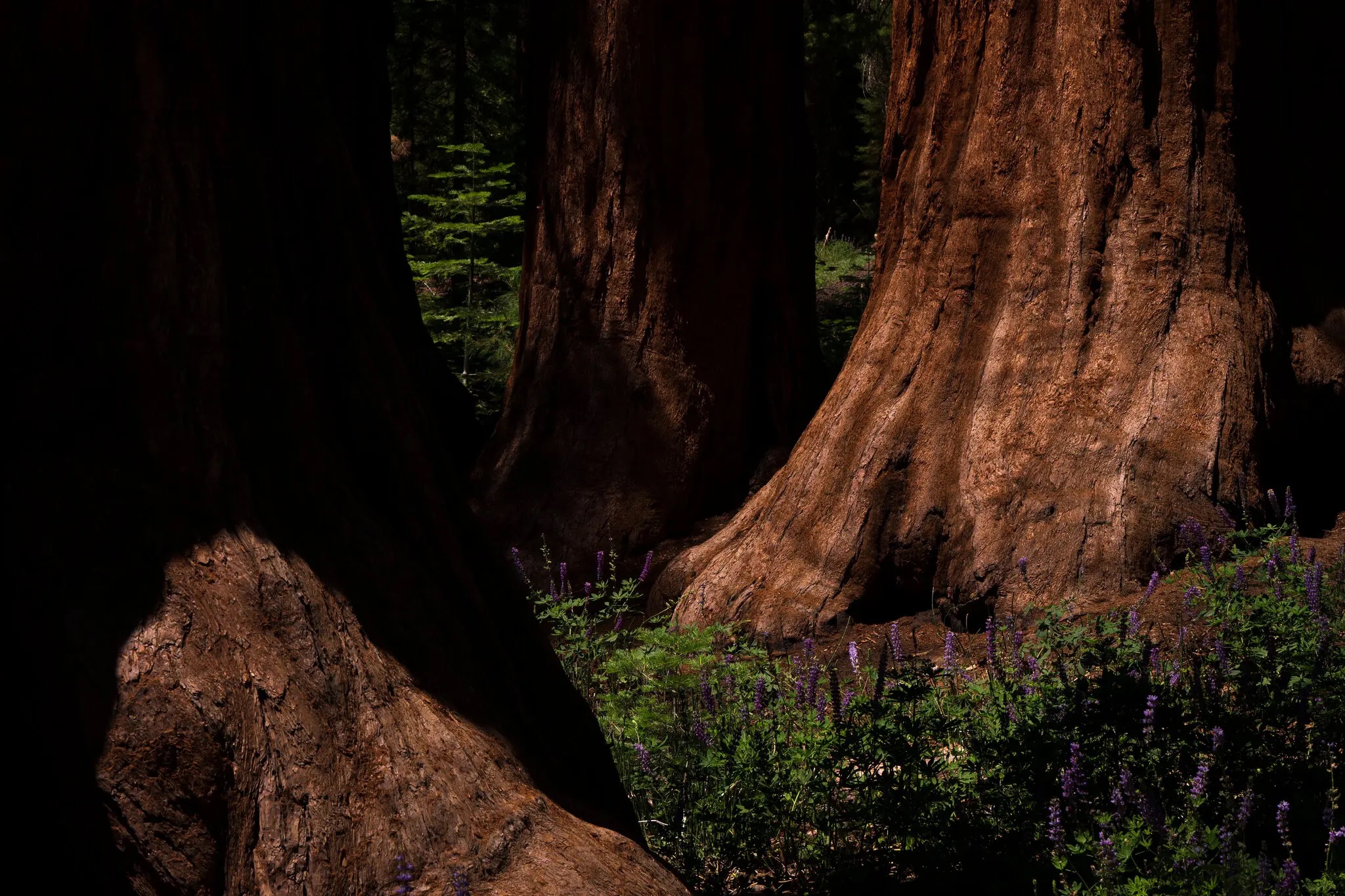
Wildfire Resilience Work Helps Save Yosemite Sequoias
Wildfire Resilience Work
Helps Save Yosemite Sequoias
photo credit: New York Times
Fuels Reduction Partnerships Pay Off In Controlling The Washburn Fire
Some of the world’s most iconic trees in one of the world’s most famous forests are safe today thanks in part to resilience treatments funded through CAL FIRE’s Forest Health grant program.
“This project has meant the difference for the community and the grove. I suspect that if Wawona Road was in the state that it was prior to the project, it could be a very different outcome for the Mariposa grove and the community.”
– Garett Dickman, National Park Service Vegetation Ecologist
photo credit: New York Times
Protecting the ancient, majestic giant sequoias in the largest and most popular of Yosemite’s sequoias clusters was an immediate concern for land managers when the Washburn Fire broke out near Mariposa Grove. Fortunately, a partnership that includes the Mariposa County Resource Conservation District, National Park Service and local private landowners had done the important fuels reduction work that reduced the fire’s severity and helped firefighters protect the invaluable trees.
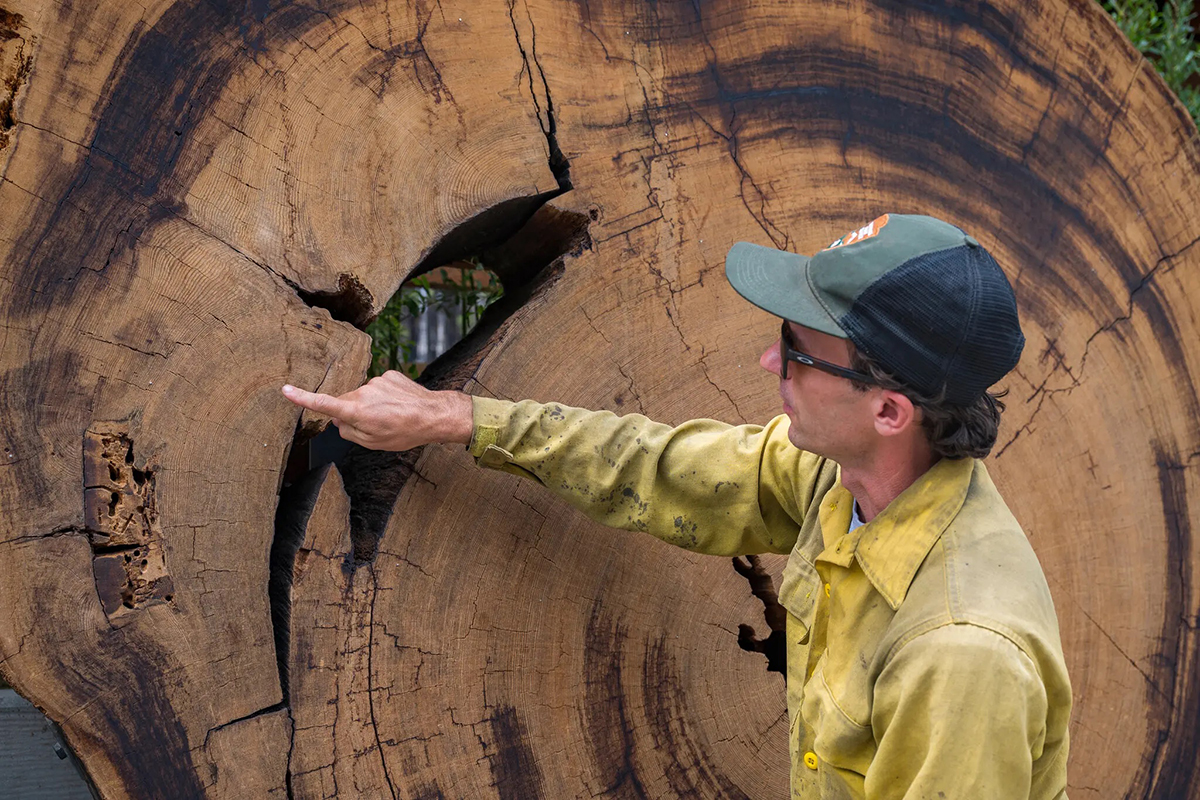
Garrett Dickman, a Vegetation Ecologist at Yosemite National Park was on the fire and observed its behavior. Referring to biomass removal treatments along a key road in the park, he said, “Firefighters [were] able to hold the road with minimal prep,” and the fuels reduction was “…proving critical in our ability to protect the community of Wawona.” Dickman pointed out that flame heights were a few inches to a just a few feet in treated areas, compared to flames that were tens to hundreds of feet long elsewhere.
photo credit: New York Times
CAL FIRE Forest Health provides funding to local and regional organizations that coordinate multiple treatment objectives, within landscape scale projects. Objectives include fuel reduction, prescribed fire, reforestation, biomass utilization and pest management. Land may be owned by tribes, private individuals, private companies, and local, state, or federal governments. The Washburn Fire is a good example of the critical impact these projects have in slowing the spread of wildfire, promoting forest health and, in this case, protecting some California’s most iconic natural treasures.
RESOURCES
California Forest Improvement Program: Creek Fire Success Story
California Forest Improvement Program: Creek Fire Success Story
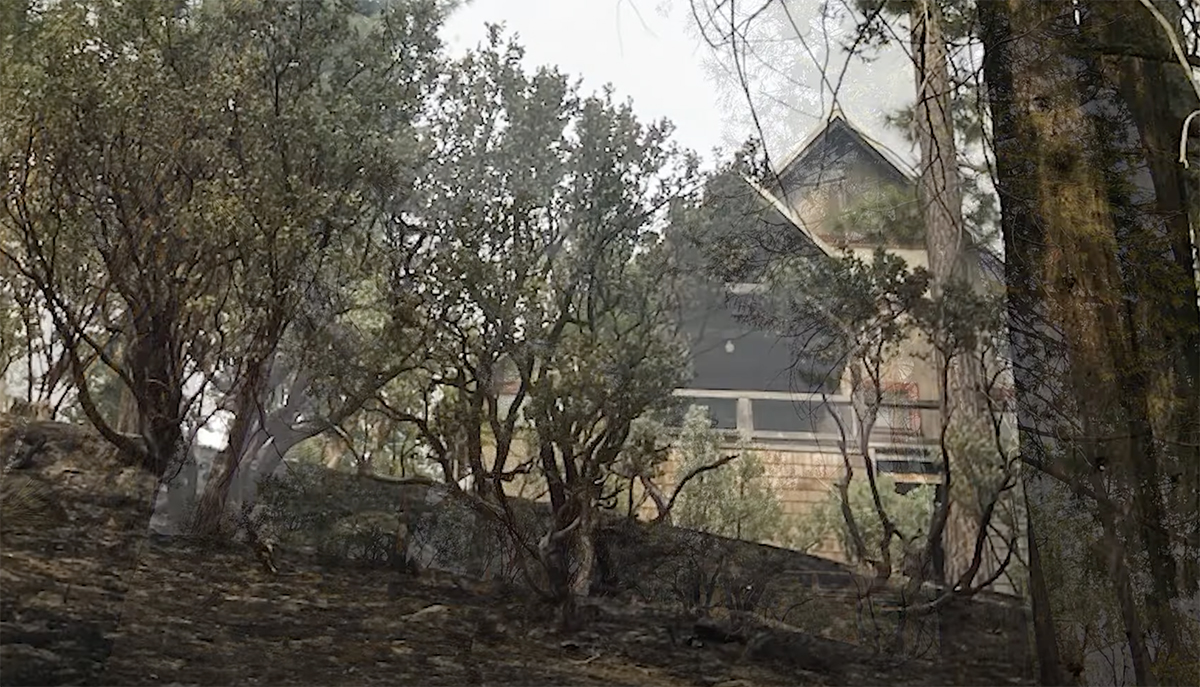
In 2020, the Creek Fire burned 379,895 acres and destroyed 858 structures. At Rock Haven, near Shaver Lake in Fresno County, 17 homes and 160 acres survived because property owners utilized the California Forest Improvement Program (CFIP) to manage their forestland. CFIP helps eligible private forest landowners with technical and financial assistance for planning, reforestation and resource management investments that improve the quality and value of forestland. Landowners can use CFIP for creating management plans, Registered Professional Forester (RPF) supervision, site preparation, tree planting, thinning, pruning, follow-up, release, and improvement of forest habitats.
Camp Cinder
Camp Cinder
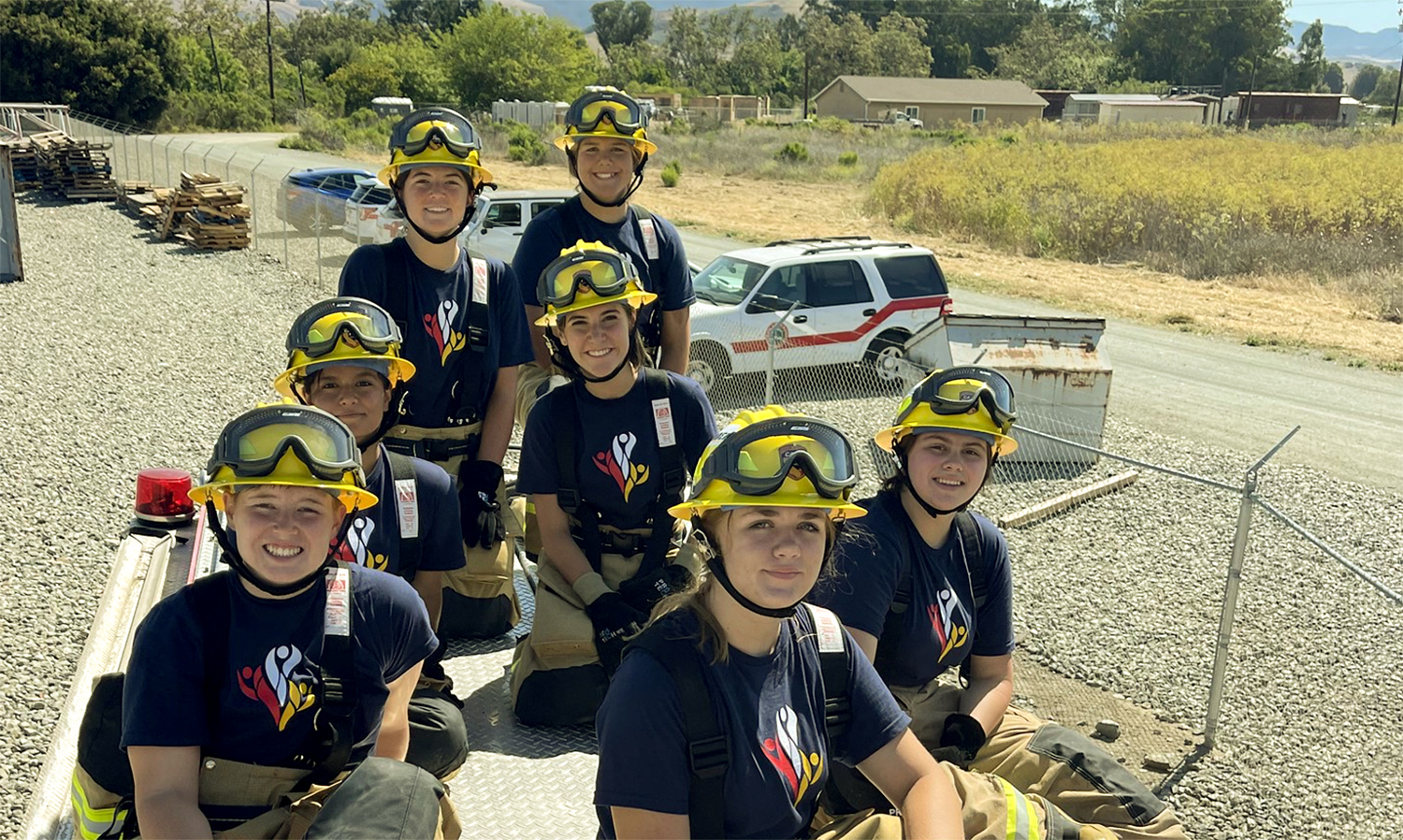
CAL FIRE’S summer program, Camp Cinder, inspires young women to join the future of the fire service.


Ready, Set, Go Brochure
Ready, Set, Go Brochure
The new CAL FIRE guide illustrates the importance of creating and maintaining defensible space and hardening homes by retrofitting with ignition-resistance or noncombustible materials to protect against the threat of flying embers, direct flame contact and radiant heat exposure. The guide provides information about the preparations and precautions needed to safely evacuate if the threat of fire exists. These new brochures are the consolidation of past materials and part of the new Wildfire Action Plan that incorporates the Ready, Set, Go campaign. Brochures will be delivered to the CAL FIRE units for distribution during public events, fairs, and community meetings.
Boggs Mountain Demonstration State Forest Research Video
Boggs Mountain Demonstration State Forest Research Video
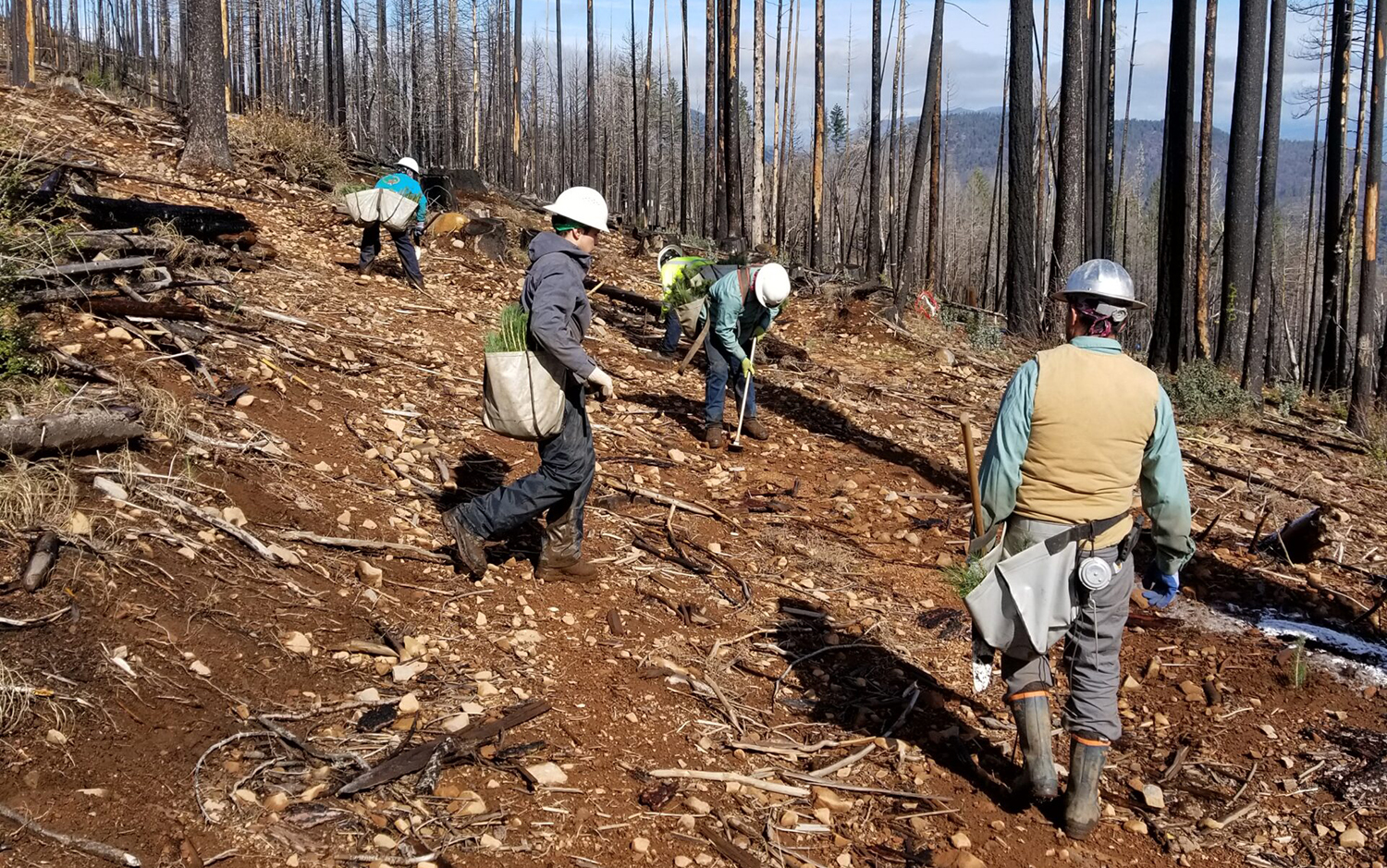
Wildfire is increasingly impacting small to medium sized forest landowners. Deciding what to do with their land post-fire can be challenging, which is why CAL FIRE’s Fire and Resource Assessment Program has implemented a long term post-fire reforestation study at Boggs Mountain Demonstration State Forest. The results of this study will help inform landowners about different options for post-fire reforestation. The experiments and research conducted on Demonstration State Forests helps inform management practices for government, nonprofit and private forestland owners. Private forestland ownerships comprise 40% of California’s forestland and are key to sustaining forests for all California.
Community Wildfire Preparedness and Mitigation Division
Community Wildfire Preparedness and Mitigation Division
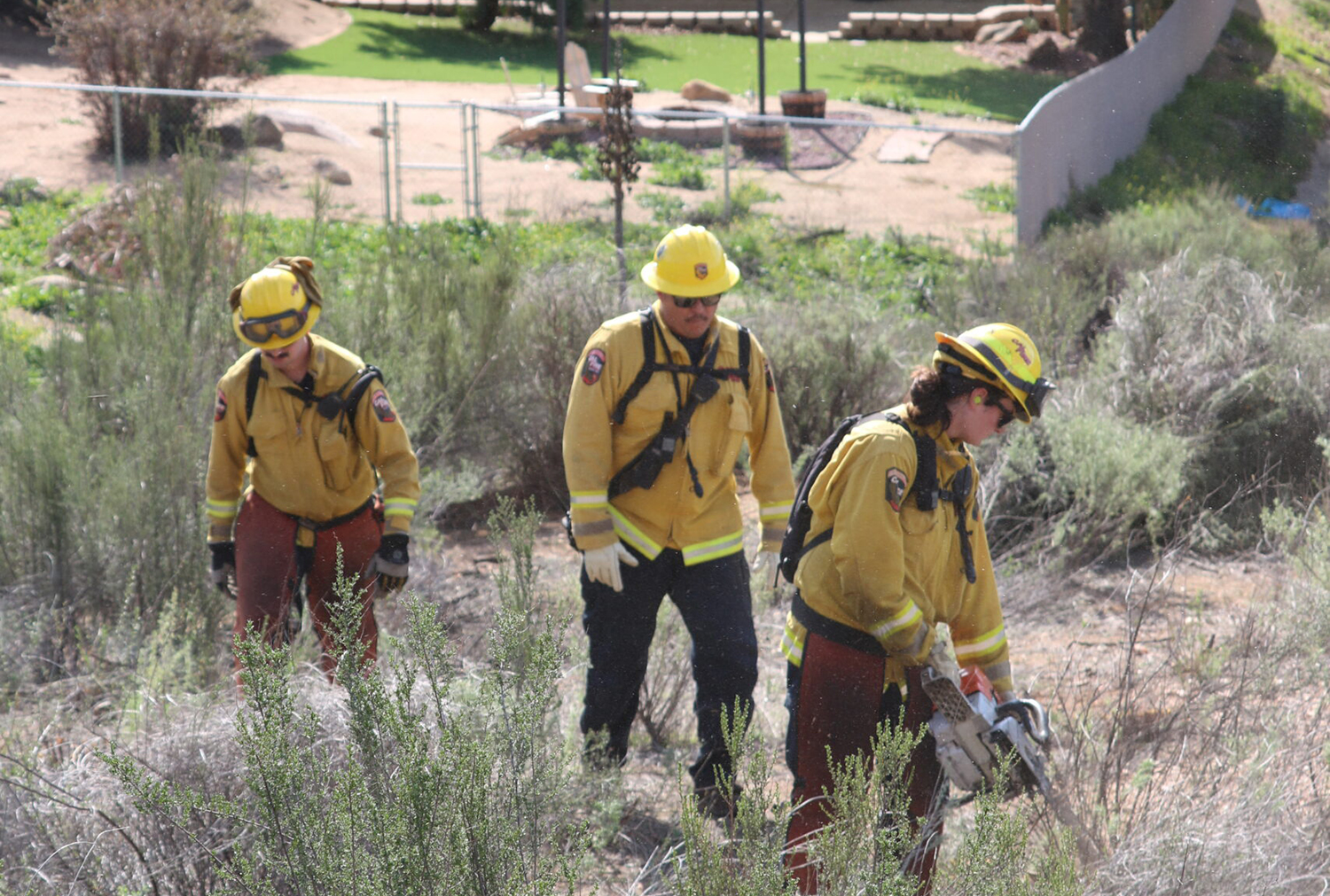
The Office of the State Fire Marshal’s Community Wildfire Preparedness and Mitigation Division works with federal, state, and local agencies, Native American tribes, non-profit entities, and other stakeholders to prepare California communities against the devastating effects of wildfire. The various programs within the division allow CAL FIRE to continue to build local and regional capacity, as well as developing, prioritizing, and implementing strategies and projects that create wildfire prepared communities. The tasks involve working with stakeholders on wildfire planning to reduce or eliminate fire hazards and risks, modifying the environment by removing or reducing receptive fuels, conducting fire hazard compliance inspections, and providing education and grant opportunities for wildfire prevention efforts.
RESOURCES
California Incident Data and Statistics Program (CalStats)
CAL FIRE’S Land Use Planning Program
CAL FIRE Exceeds Goal of 100,000 Acres Treated Ahead of Schedule
CAL FIRE Exceeds Goal of 100,000 Acres Treated Ahead of Schedule
Transition to peak staffing for upcoming fire season also complete.
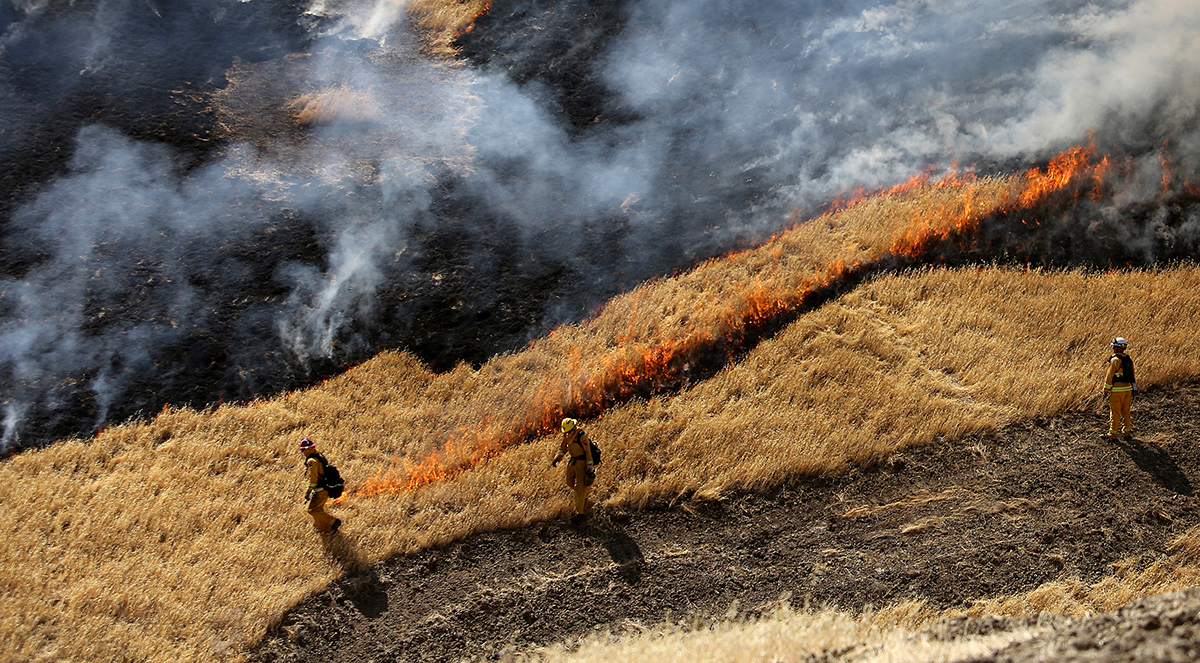
June 21, 2022 – CAL FIRE is making significant progress in their important contributions to California’s Wildfire and Forest Resilience Action Plan. Today they announced two significant accomplishments, starting with the news that they have already surpassed one of the plan’s Key Action items – to treat 100,000 acres by 2025.
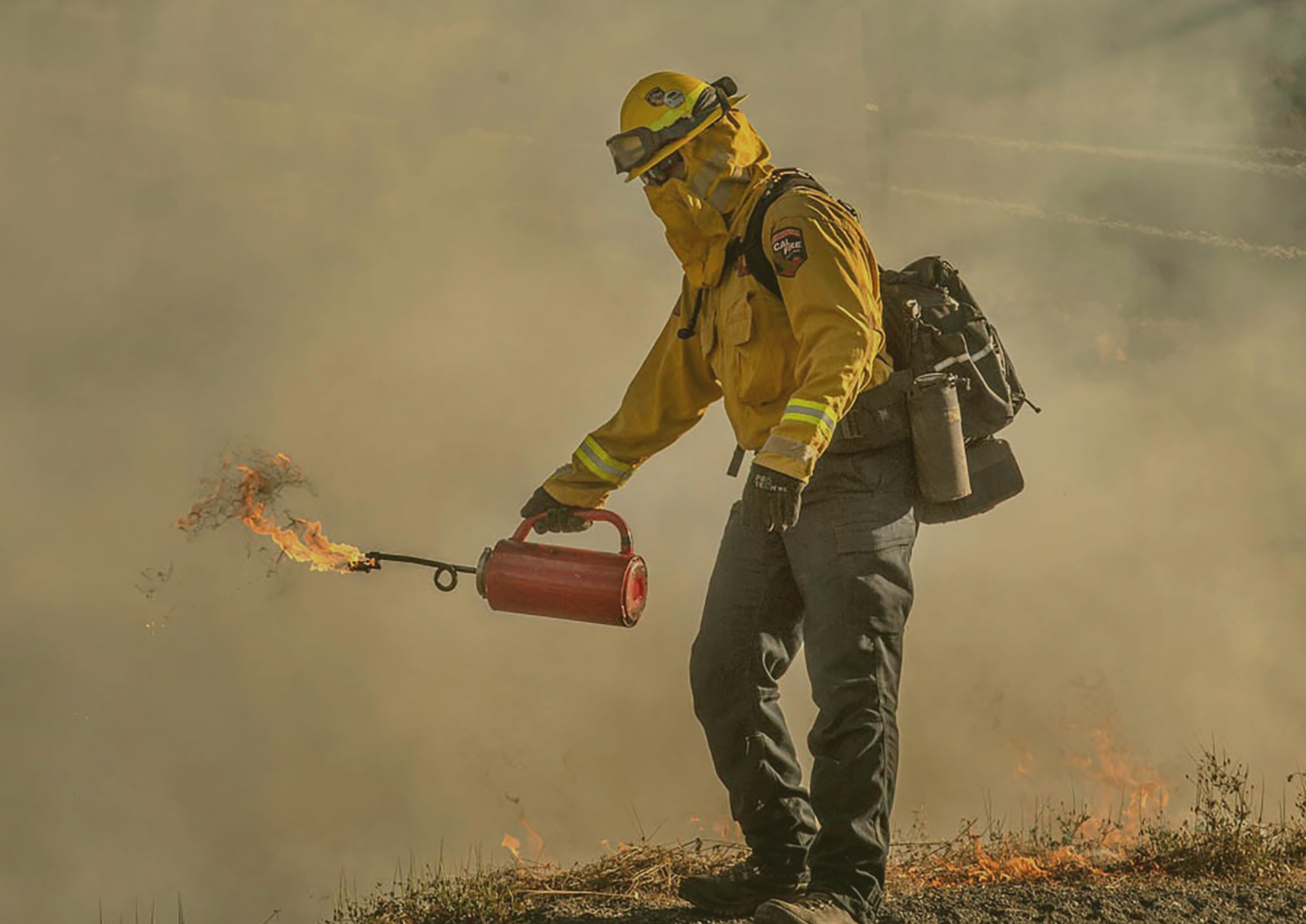
According to current estimates, CAL FIRE has achieved 110,925 acres treated by using all fuels reduction methods, including prescribed fire. The work includes more than 600 fuel reduction projects.
Along with achieving this important milestone, in preparation for the upcoming wildfire season, CAL FIRE has also completed the transition to peak staffing across California. Peak staffing ensures all CAL FIRE stations are open and staffed 24 hours per day; response capabilities are enhanced; all aircraft are prepositioned and staffed; and crews are staffed, trained, and working.
Recent CAL FIRE Grants Total Over $250M For Wildfire and Forest Resilience
Recent CAL FIRE Grants Total Over $250M For Wildfire and Forest Resilience
Funded projects address threatened communities, forest health, prescribed fire, restoring burned landscapes and more.
June 2, 2022 – CAL FIRE Grant Programs have allocated funds to address crucial needs in a wide range of areas related to wildfire and forest resilience. Together, they represent significant progress towards achieving the goals of California’s Wildfire & Forest Resilience Action Plan.
$118 million in funding was awarded for 144 Wildfire Prevention projects across the state. CAL FIRE’s Wildfire Prevention Grants enable local organizations like fire safe councils, to implement activities that address the hazards of wildfire and reduce wildfire risk to communities. Funded activities include hazardous fuel reduction, wildfire prevention planning, and wildfire prevention education.
CAL FIRE’s Forest Health Program awarded 22 grants totaling $98.4 million for landscape-scale forest health and prescribed fire projects spanning over 55,000 acres and 14 counties. They also awarded $10 million to the North Coast Resource Partnership (NCRP) for its regional wildfire resilience plan, which was developed with support from the Department of Conservation’s Regional Forest and Fire Capacity Program.
30 grants totaling $33 million came from CAL FIRE’s Wood Products and Bioenergy Team for business and workforce development projects. Ten workforce grants will help train over 5,000 individuals in prescribed fire, fuels treatment, firefighting, and forestry, and another14 grants will create 120 jobs and utilize 750,000 tons of forest biomass that would otherwise remain in the woods or be burned in open piles. Two projects will expand the State’s native tree seed bank and grow seedlings to assist with reforestation, and six research and development grants will fund novel uses for forest biomass sourced from wildfire mitigation projects.
CAL FIRE’s Wildfire Resilience Program awarded $9.99 million in block grants to the American Forest Foundation (AFF), Tahoe Truckee Community Foundation, and the California Association of Resource Conservation Districts (CARCD). The grants will support forest improvement projects on approximately 6,000 acres of small non-industrial private forestlands and provide technical assistance to private landowners in13 counties.
A Video Introduction to CAL FIRE's CFIP Program
A Video Introduction to CAL FIRE's CFIP Program
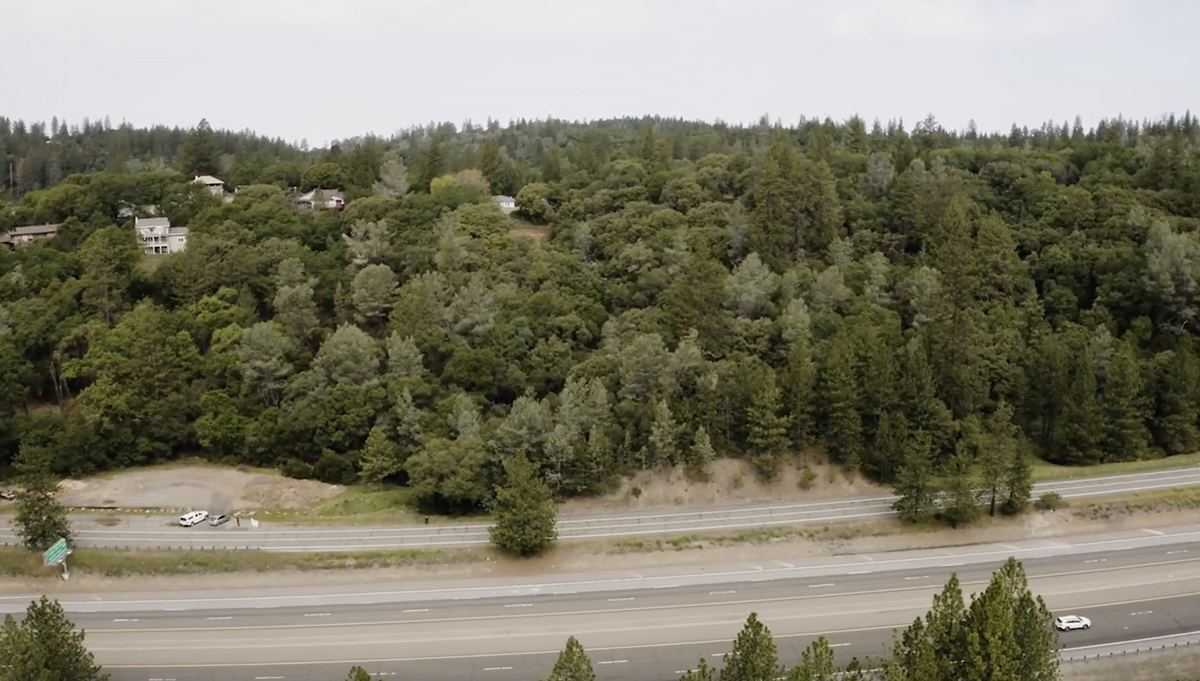
The California Forest Improvement Program (CFIP) is CAL FIRE’s primary program that provides technical and financial assistance to landowners so they can do forest improvement work on their property that helps the state meet its wildfire resilience and forest management goals.