
Recap of The Inland Empire Regional Meeting
INLAND EMPIRE REGIONAL MEETING RECAP
September 4, 2025
Nearly 400 people filled the Orton Center at the University of Redlands, with more than 350 additional participants joining online, for the Wildfire & Forest Resilience Task Force’s Inland Empire Regional Meeting on September 4. Hosted by the Inland Empire Community Foundation and the Inland Empire Resource Conservation District, the gathering spotlighted issues of particular importance to Southern California and the Inland Empire.
If you couldn’t make it in person, or missed the real-time webinar, video recordings are available below.
INLAND EMPIRE REGIONAL MEETING AGENDA HIGHLIGHTS
- Wildfire Resilience in the Inland Empire: Collaborative Efforts Producing Results – State, federal, and nonprofit partners highlighted the Inland Empire’s unique landscape and discussed how partnerships and fuels treatments boosted wildfire preparedness and response in the 2024 fire season.
- Southern California’s Roadmap to Resilience: Regional Strategies and Partnerships – Regional leaders will highlight how cooperative agreements and partnerships turned strategies into action on protecting communities, reducing ignitions, and restoring landscapes.
- Tracking, Funding, and Measuring Progress in Southern California: Experts will explore how new approaches are broadening funding sources and shifting wildfire resilience tracking from acres to outcomes.
Welcome & Opening Remarks
• Wade Crowfoot, CA Natural Resources Agency
• Jason Kuiken, U.S. Forest Service
• Task Force Executive Committee
• Adrienne McCormick, University of Redlands
• Michelle Decker, Inland Empire Community Foundation
• Joe Tyler, CAL FIRE
Director's Report
Patrick Wright, Task Force
Wildfire Resilience in the Inland Empire: Collaborative Efforts Producing Results
Moderator: Kathy Peterson, Southern California Ignition Reduction Program
• Dania Gutierrez, National Forest Foundation
• Shane Littlefield, CAL FIRE San Bernardino Unit
• Danelle Harrison, San Bernardino National Forest
Video Screening: 2024 Success Stories
Moderator: Jeff Heys, U.S. Forest Service
Southern California’s Roadmap to Resilience: Regional Strategies and Partnerships
Moderator: Jeff Heys, U.S. Forest Service
• Michael O’Connell, Irvine Ranch Conservancy
• Lisa Worthington, Caltrans
• Heather Dyer, San Bernardino Valley Municipal Water
• Sal Reyes, San Bernardino National Forest
Tracking, Funding, and Measuring Progress in Southern California
Moderator: Dania Gutierrez, National Forest Foundation
• John Battles, UC Berkeley
• Joe Flannery, Vibrant Planet
• Matt Sloggy, USFS Pacific SW Research Station
• Nick Wobbrock, Blue Forest
• Will Madrigal, Jr., Climate Science Alliance
Closing Remarks
• Executive Committee

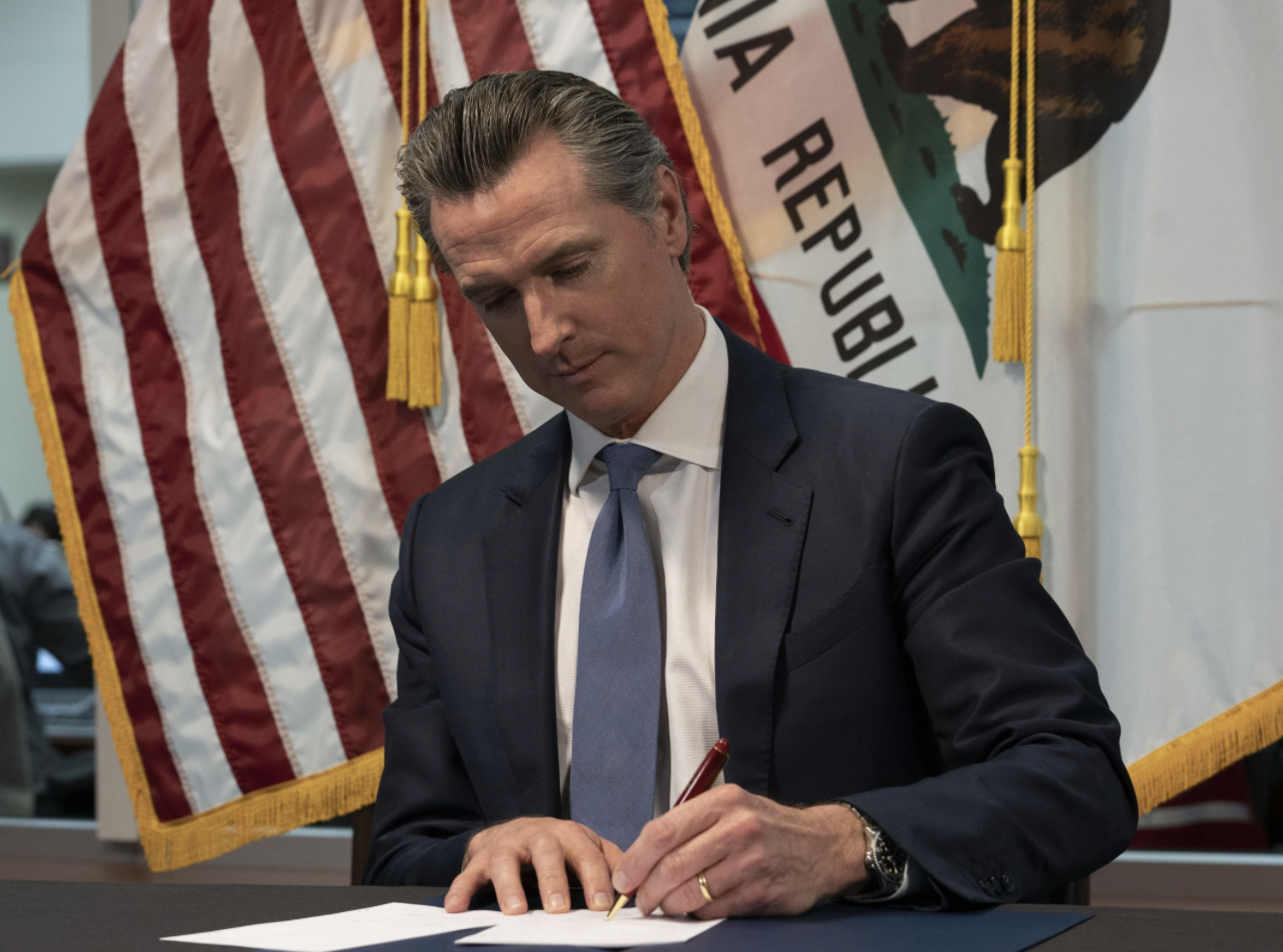
Governor Signs $325B Budget with Negotiations on Wildfire & Forest Resilience Items Continuing into the Summer
Governor Signs $325B Budget with Negotiations on Wildfire & Forest Resilience Items Continuing into the Summer
On June 27, Governor Newsom signed the Budget Act of 2025 which the California Legislature passed on June 13. It is expected that budget-related negotiations will continue into the summer with budget trailer bills voted on before the close of the legislative session on September 12. Specific natural resource highlights of this budget include:
- Approving the Cap and Invest May Revision Finance Letter with a $1 billion fund shift in 2025-26 for CAL FIRE operations and the remaining Greenhouse Gas Reduction (GGRF) dollars to be appropriated later.
- Adopting intent language to fund shift future GGRF revenue to CAL FIRE baseline operations if a General Fund deficit exists, including: $1.25 billion in 2026-27, $500 million in 2027-28, and $500 million in 2028-29. If a deficit does not exist, $500 million in 2026-27 shall still be fund shifted.
- Deferring reauthorization of the State’s Cap and Invest program to the summer, along with further allocations of funds derived from the program.
- $12.5 million from the General Fund for a new community home hardening program consisting of $9.5 million for the Wildfire County Coordinator Program and $3 million for a new home hardening certification program under the Office of the State Fire Marshal.
- $10 million from the General Fund, for incarcerated individuals who serve in the Conservation (Fire) Camp Program. This program provides a workforce for suppression and other conservation work.
- Transitioning 3,000 seasonal firefighter positions to permanent (year-round) positions, phased over three years.

CAL FIRE Awards Forest Health and Research Grants and Opens Solicitation of Wildfire Prevention Grants
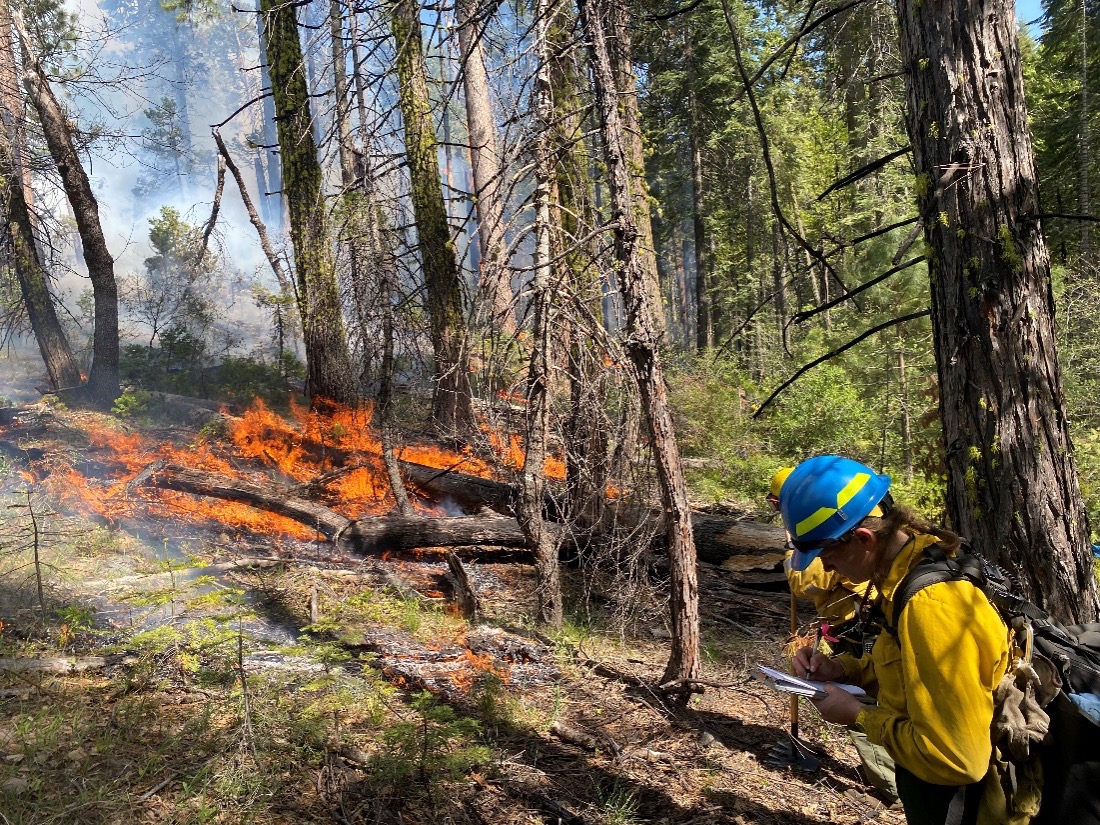
CAL FIRE Awards Forest Health and Research Grants and Opens Solicitation of Wildfire Prevention Grants
June 5, 2025 – Nearly $72 Million Awarded to Landscape-Scale Forest Health Projects: CAL FIRE’s Forest Health Program has awarded $72 million to 12 grants to local and regional partners carrying out projects on state, local, tribal, federal, and private lands. Funded projects will employ a wide array of forest management strategies, with goals of wildfire resilience, watershed protection, habitat conservation for endangered species, recovery of fire-scarred and drought-impacted forests, and the reintroduction of fire as a natural ecological process. Several of the funded projects also include community outreach and long-term strategic planning through the California Vegetation Treatment Program (CalVTP); three-fourths of the awarded projects will benefit disadvantaged or low-income communities.
June 27, 2025 – $5.9 Million Awarded to Support Cutting-Edge Scientific Research: CAL FIRE’s Forest Health Research Program has awarded $5.9 million to support 15 scientific research studies that are expected to increase our understanding of relatively understudied vegetation types like chaparral, mountain meadows, and oak woodlands; strengthen frameworks for evaluating costs and benefits of fuel treatment strategies; and expand cutting-edge tools for forest monitoring and prescribed fire planning.
June 25, 2025 – Up to $135 Million is Available for Wildfire Prevention Projects: On June 25, CAL FIRE’s Wildfire Prevention Grants Program announced the solicitation for projects in and near fire threatened communities to improve public health and safety. Project types include hazardous fuels reductions, wildfire prevention planning, and wildfire prevention education. The deadline for applications is August 6.
RESOURCES

New Outreach Efforts Bring Attention to Wildfire and Forestry Careers
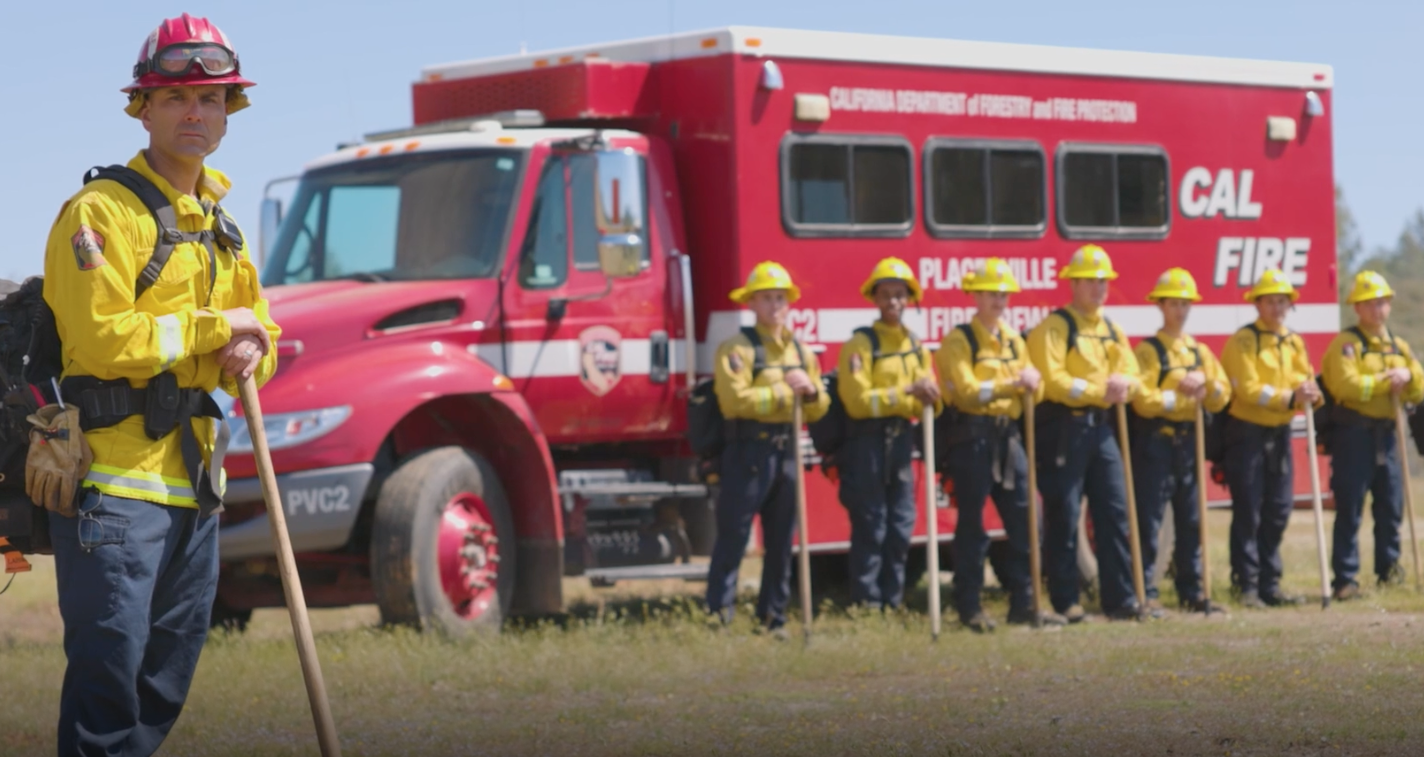
New Outreach Efforts Bring Attention to Wildfire and Forestry Careers
June 11, 2025 – CAL FIRE Launches JoinCALFIRE.com with Comprehensive Information on the Department’s Career Paths:
Key features of JoinCALFIRE.com include: streamlined application paths for both entry-level and advanced positions; detailed job requirements, training information, and career progression insights; a calendar of statewide job fairs and hiring events; and direct access to applications and recruiter information.
The Foundation for California Community Colleges Hosts Climate Futures Webinar Series and Wins a Telly:
- The Foundation for California Community Colleges (FoundationCCC) and Community College Research Center is hosting a webinar series on “Community Colleges and Climate Futures.” The series is exploring how students can be prepared to contribute meaningfully to sustainable local economies and what role colleges can play in strengthening partnerships with businesses to foster climate adaptation. Webinars held February 25, April 8, and June 17 were recorded an are available online and registration for the August 12 webinar is open. The series will culminate with the Community College Climate Summit, September 29-30 in Anaheim.
- The FoundationCCC’s “Resilient Careers in Forestry Campaign” commercial won a bronze award in the 2025 Telly Awards. In partnership with the FoundationCCC California Resilient Careers in Forestry is leading a multifaceted communications effort designed to motivate individuals to pursue careers in forestry, wildland firefighting, and forest operations, and connect them to the training and education pathways best suited to their individual needs and career goals.

Sierra Nevada Conservancy Launches New Wildfire and Forest Resilience Grant Program
Sierra Nevada Conservancy Launches New Wildfire and Forest Resilience Grant Program
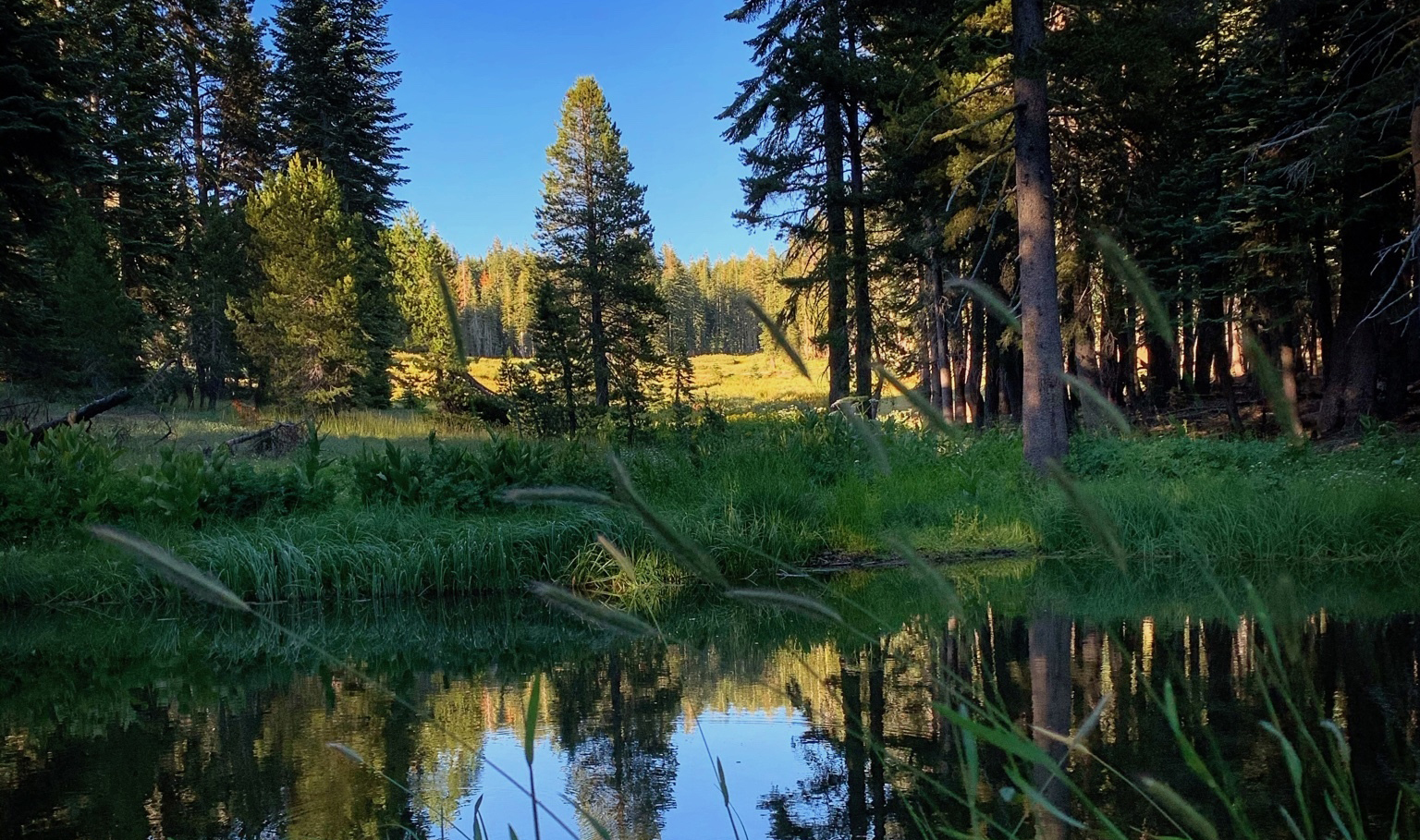
June 16, 2025 – Expedited by the Governor’s Emergency Proclamation on wildfire, the Sierra Nevada Conservancy (SNC) is accepting statements of interest for its Wildfire and Forest Resilience Directed Grant Program. Funded through Proposition 4 (Climate Bond), the grant program will provide $10 million for multi-benefit projects within the Sierra-Cascade region that will protect communities and promote landscape health and resilience. SNC has also opened a solicitation for their $4.1 million Sustainable Recreation, Tourism, and Equitable Outdoor Access grant program.
May Revise Budget Proposes Extending Cap-and-Trade and Shifting $1.5 Billion for Wildfire
May Revise Budget Proposes Extending Cap-and-Trade and Shifting $1.5 Billion from GGRF for Wildfire Prevention and Protection
The May Revision of the Governor’s budget proposes an extension of the Cap-and-Trade program that is best captured in a renaming of the program to the Cap-and-Invest program and enshrined in clear guiding principles that enable a stable and predictable price on carbon pollution to drive deeper investments in carbon reduction and clean technologies.
The May Revision proposes to shift $1.54 billion from the General Fund to the Greenhouse Gas Reduction Fund (GGRF) to support CAL FIRE’s fire prevention, fire control, and resource management activities on an ongoing basis. This proposal aligns with the polluter-pays principle in which carbon emitters will fund the state’s world-class forestry and fire protection programs in the face of wildfires that have become increasingly destructive because of climate change. The proposal also includes a General Fund backstop to protect CAL FIRE’s operations in the event Cap-and-Invest auction proceeds fall below projected revenues. To address the projected budget shortfall, the May Revision includes General Fund solutions to achieve a balanced budget, including a reversion of $31.5 million General Fund appropriated for the acquisition of property for a new CAL FIRE training center. CAL FIRE is exploring more cost-effective alternatives that will meet the same training capacity goals as the new additional training center project through a combination of expanding and upgrading existing training facilities and utilizing newly identified long-term lease opportunities to minimize delays in training output.
Giant Sequoia Lands Coalition Publishes 2024 Annual Report
Report Highlights Significant Advances in Emergency Wildfire Recovery, Research and Restoration
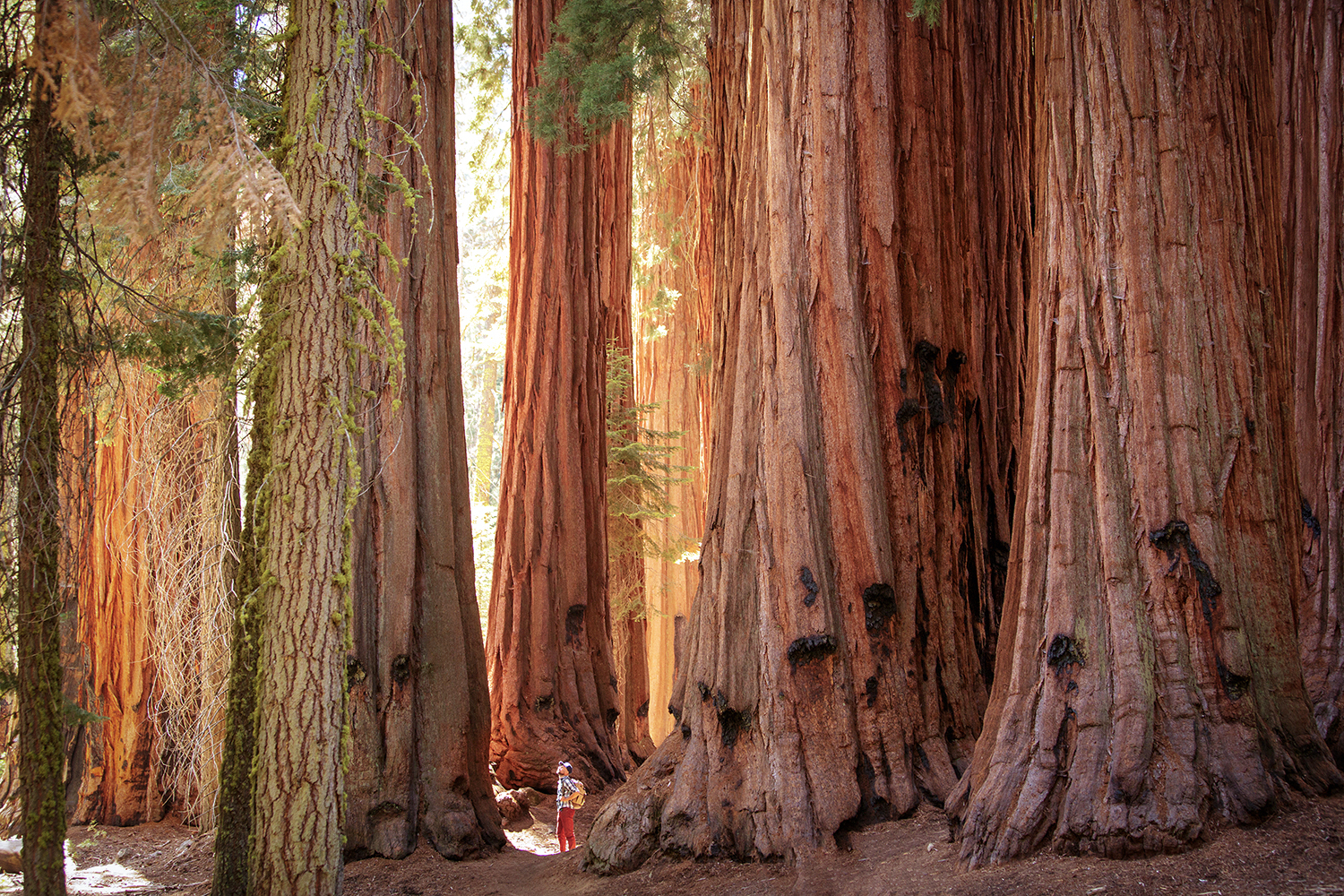
Officials from the State of California, USFS, National Park Service, Tule River Indian Tribe of California, Save the Redwoods League and other members of the Giant Sequoia Lands Coalition (GSLC) recently announced significant progress in their work to protect the largest trees on Earth from extreme wildfires. In its 2024 progress report, the GSLC confirms coalition partners have, since 2022, conducted restoration activities in more than half of the world’s sequoia groves and planted more than 617,000 native trees.
First Set of Projects Fast-tracked as Part of Governor’s Emergency Proclamation on Wildfire
CNRA and CalEPA Identify First Set of Fast-tracked Projects as Part of Governor’s Emergency Proclamation on Wildfire
New Streamlined Process:
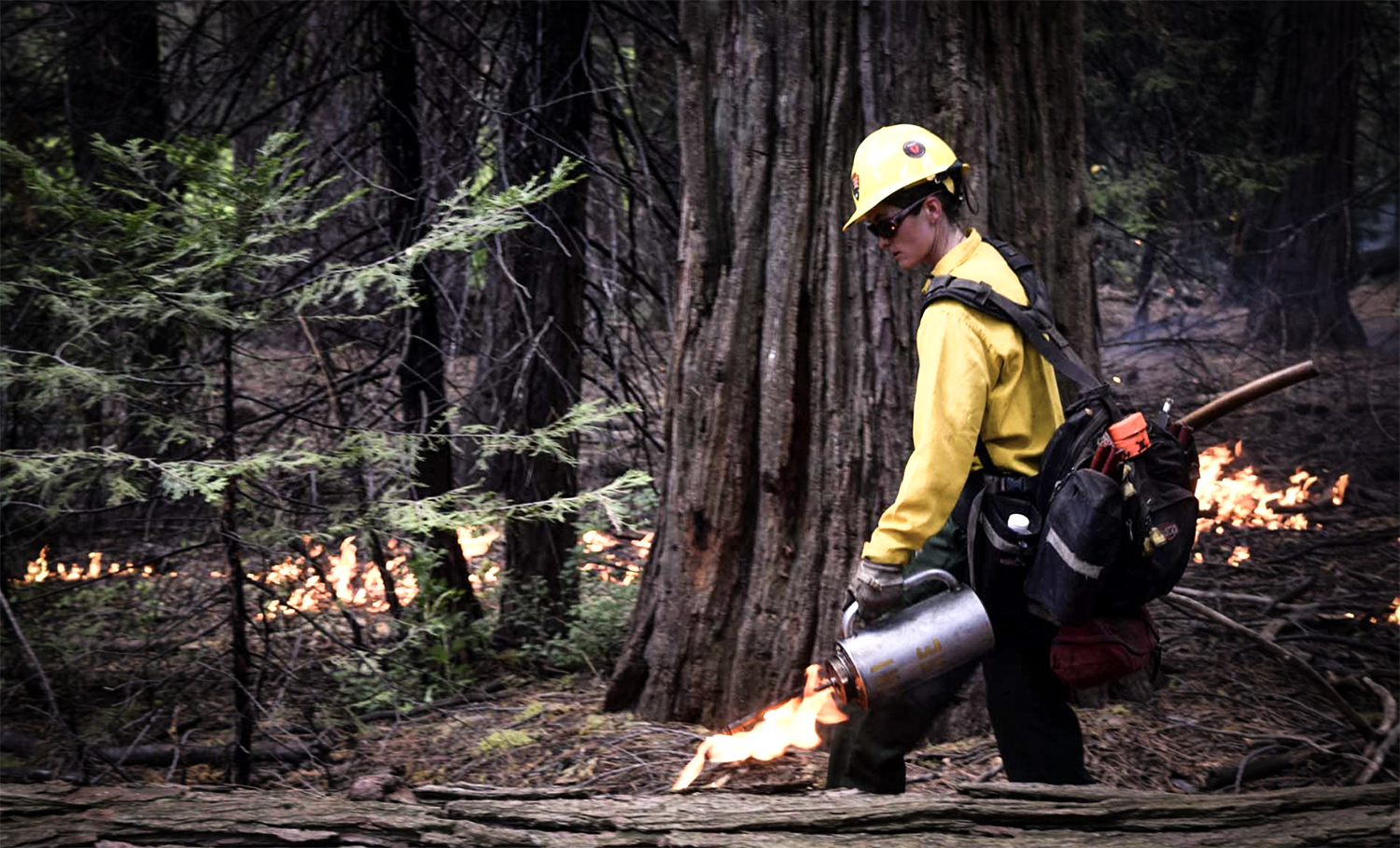
Governor Newsom issued an Emergency Proclamation (Proclamation) on March 1, 2025, to confront the severe ongoing risk of catastrophic wildfires that threatens public safety across California. The Proclamation authorizes the Secretaries of the California Natural Resources Agency (CNRA) and the California Environmental Protection Agency (CalEPA) to determine which projects are eligible for suspension of certain State of California statutory and regulatory requirements to expedite critical fuels reduction projects, while at the same time protecting public resources and the environment. The Task Force has established a website that includes eligibility criteria, FAQs, and a link to the application to request a determination of eligibility for suspension of relevant State of California statutory and regulatory requirements. The Secretaries also hosted a virtual briefing on the Proclamation and the process.
First Set of Approved Projects:
Just one week after applications opened, CNRA and CalEPA identified a 450-acre collaborative wildfire resilience project in Humboldt County as the first project to be determined eligible for streamlining. Three projects totaling 882 acres have been approved to date, spanning from the northern California coast to Sierra Nevada Mountains and all the way down to San Diego. Each of these projects involve tribes and other partners, natural resource managers and fire districts. Here is an overview of the first set of approved projects.
- The Prosper Ridge Community Wildfire Resilience Project in Humboldt County is the first approved project under the Governor’s emergency proclamation on wildfire. This collaborative state, federal, and tribal project will treat nearly 450 acres with a combination of mechanical thinning, manual treatments, and prescribed fire.
- The Sycuan Wildfire Resiliency Project covers over 240 acres in San Diego County and aims to protect the Sycuan Reservation from wildfire by reducing fire hazard, ensuring defensible space, and providing safe egress with the use of 300 grazing goats.
- Vedanta Hazardous Fuels Reduction Project will reduce wildfire risk, improve forest health and enhance landscape resilience within the WUI, reducing risk of crown fires spans across 190 acres near Lake Tahoe.
These projects are focused on removing flammable dead or dying trees, creating strategic fuel breaks, creating safe egress along roadways, manual and mechanical removal of ladder fuels and beneficial fire use. Approved project location maps and documentation will be made available on the Task Force website.
Rancheria Celebrates Achievement as the State’s 1,000th Firewise Community
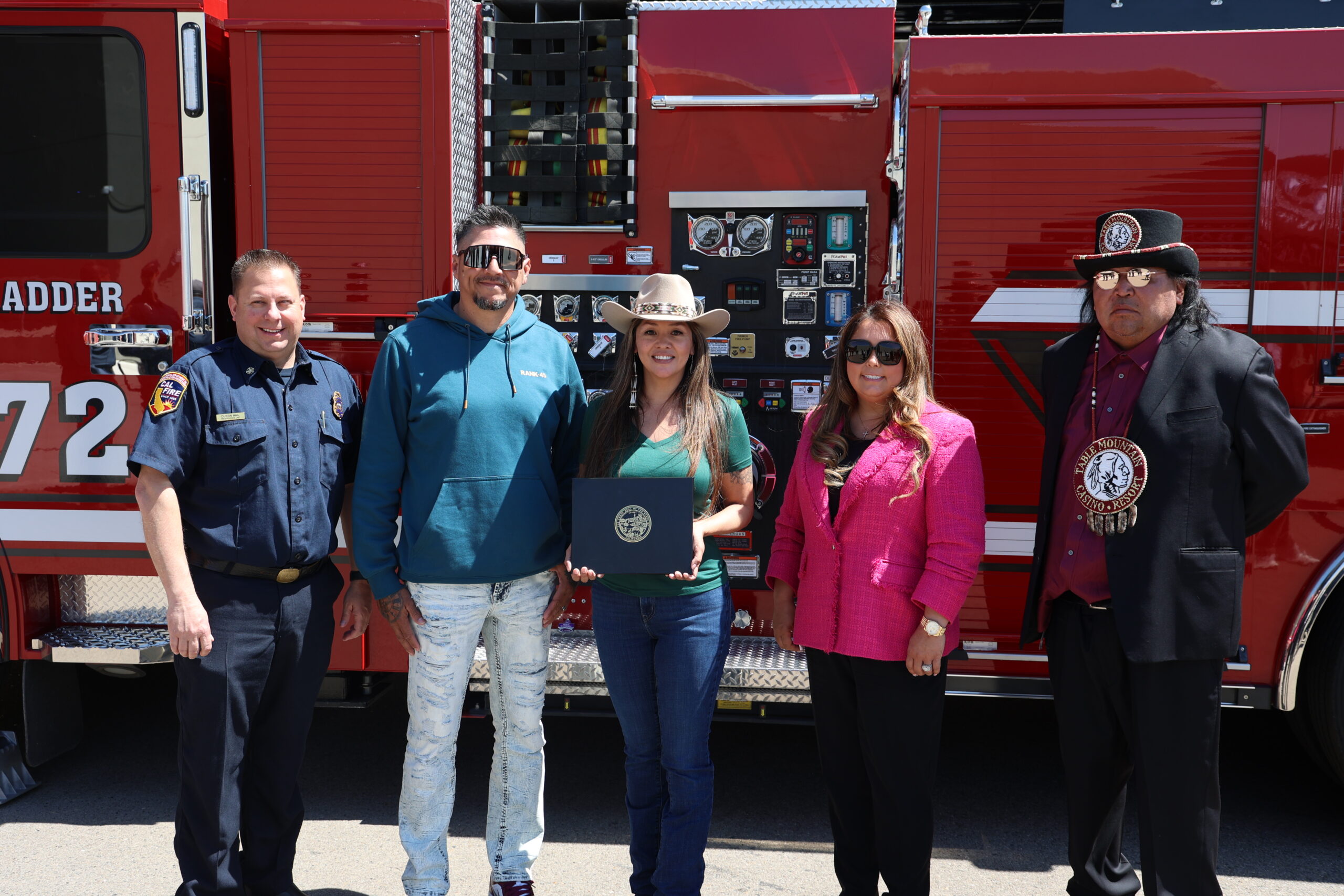
Table Mountain Rancheria Celebrates Achievement as the State’s 1,000th Firewise Community During Wildfire Preparedness Week
Table Mountain Rancheria, located in Fresno County, has been announced as the 1,000th Firewise USA® community in the state during this year’s Wildfire Preparedness Week celebration. This recognition by the National Fire Protection Association® (NFPA®) highlights the commitment the community has taken to ensure that wildfire risk is reduced and that residents are prepared. Governor Newsom declared May 4-10 as “Wildfire Preparedness Week” with the theme, “Building a Fire-Ready Future: Strengthening Our Defenses, Together,” to emphasize the importance of both collaborative efforts and individual responsibility in reducing and managing wildfire risk. CAL FIRE’s readyforwildfire.org website hosts an array of preparedness resources.
CARB Publishes Annual Report on California Climate Investments
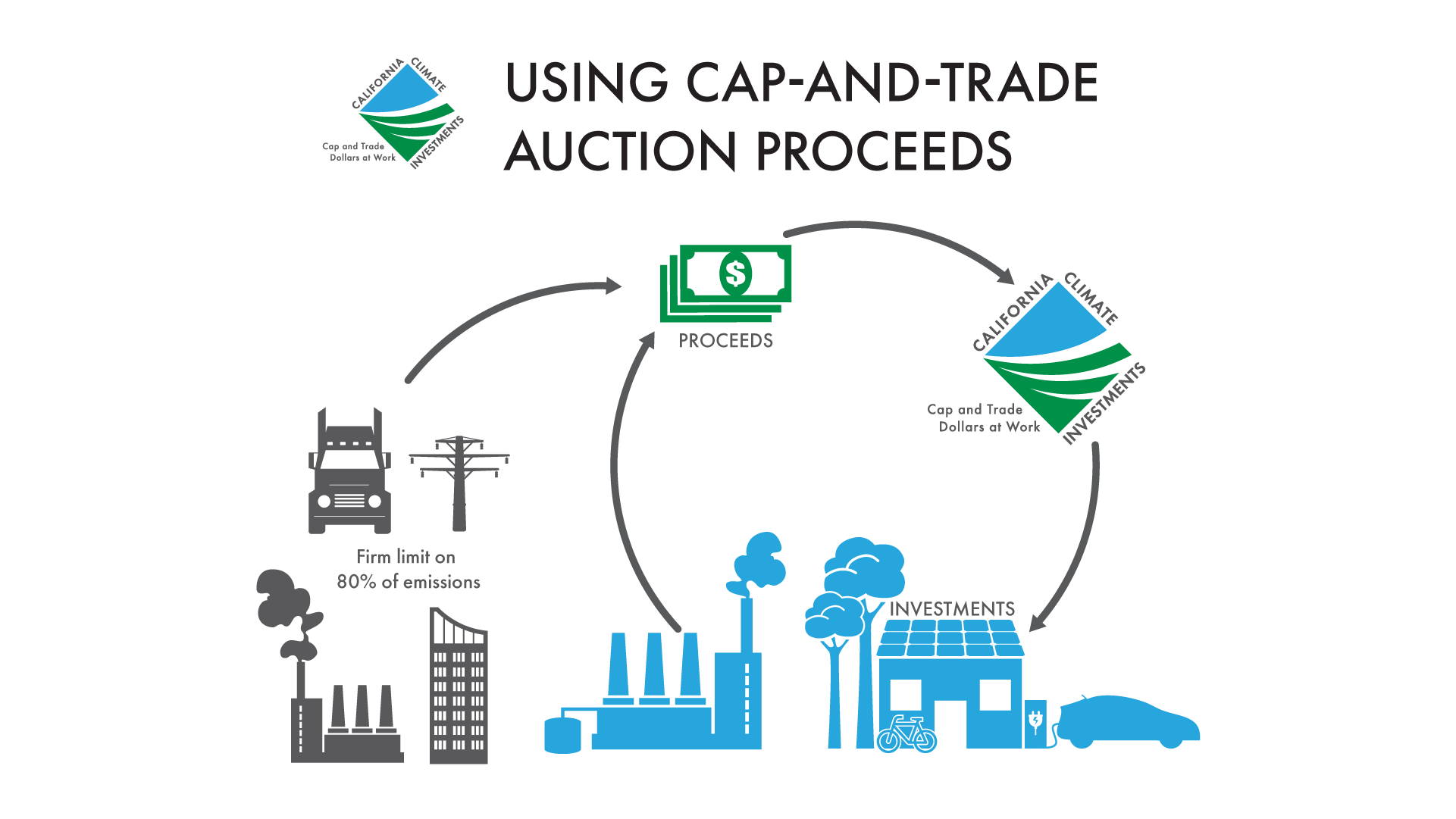
CARB Publishes Annual Report on California Climate Investments as Governor Newsom and California Legislature Seek Extension of Cap-and-Trade Program
May 7, 2025 –
Annual Report on California Climate Investments:
The California Air Resources Board (CARB) published its annual report on California Climate Investments using Cap-and-Trade proceeds. According to the report, nearly $33 billion has been raised from Cap-and-Trade to fund climate solutions in communities across the state; of this amount, $12.8 billion projects have been implemented under 117 programs administered by 27 agencies. Along with the report, CARB released a general fact sheet documenting cumulative project achievements through November 2024 including $1.5 billion invested in wildfire prevention, forest health and prescribed burning activities and 1.6 million acres of land conserved or restored.
Extension of Cap-and-Trade Program:
Prior to the report’s publication, Governor Newsom, Senate President pro Tempore McGuire and Assembly Speaker Rivas announced they will seek an extension of the Cap-and-Trade Program during this legislative year. The program is currently set to expire in 2030 and requires extension by the Legislature. As the Governor noted in his proposed budget, extending the program this year can provide the market with greater certainty, attract stable investment, further California’s climate leadership and set the state on a clear path to achieve its 2045 carbon-neutrality goal.