
Federal Funds Reduce Wildfire Risk and Support Local Economies
Federal Funds Reduce Wildfire Risk and Support Local Economies
Federal Funds Support Wildfire Impacted Communities:
November 15, 2024 – Governor Newsom announced that five communities hit hardest by the devastating wildfires in 2018 will receive $40.7 million in new federal aid to support community development and help communities reach full economic recovery. This funding will reach communities that are still recovering from the economic and mental health impacts of wildfires and demonstrates the importance of continued support for disaster-impacted communities, even years after initial disaster relief has concluded. The funding comes from the federal 2018 Community Development Block Grant—Disaster Recovery Workforce Development program and will go to communities in the counties of Butte, Lake, Los Angeles, Shasta, and Ventura.
USFS Awards Over $7 Million to Reduce Wildfire Risk and Support Local Economies in California:
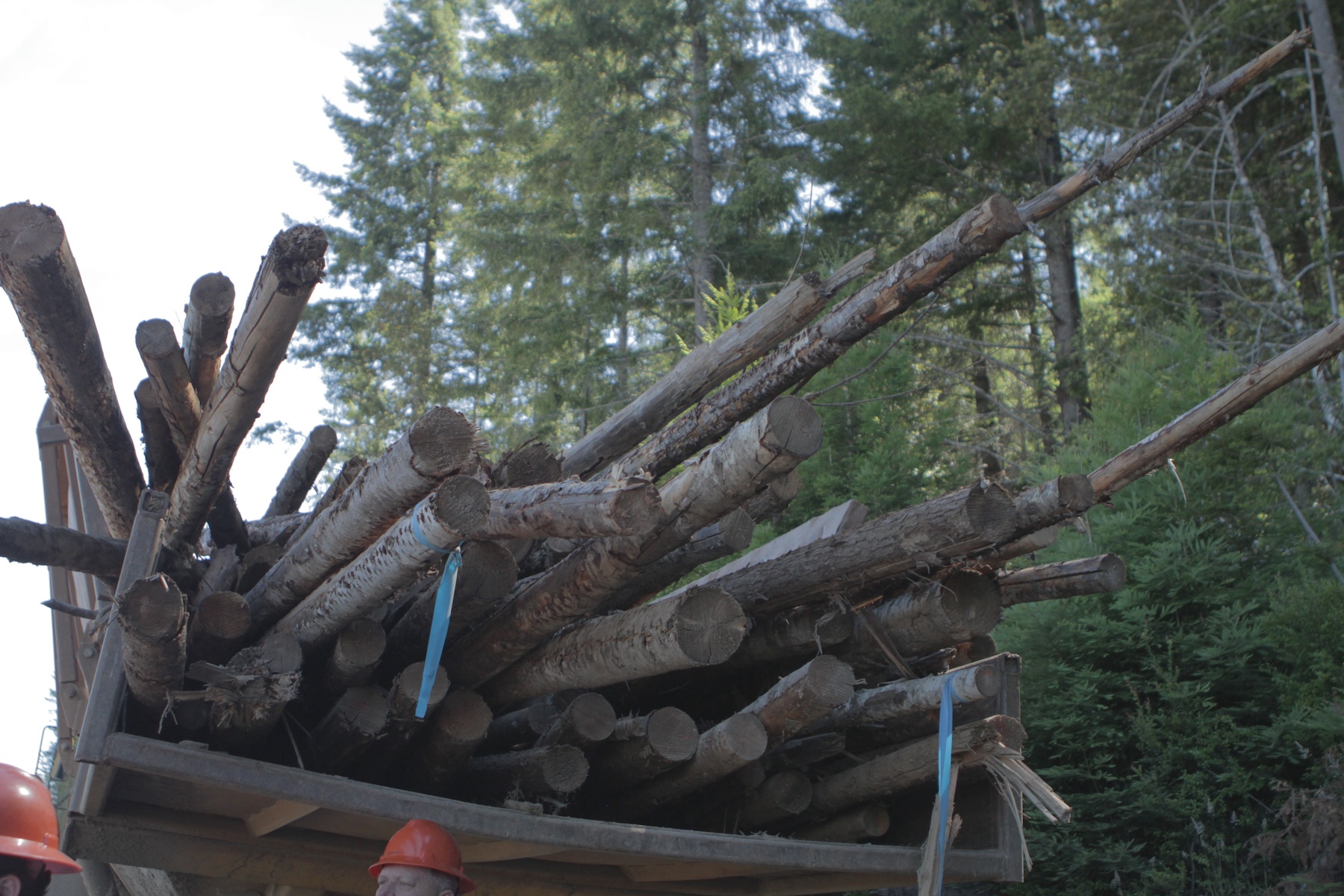
November 13, 2024 – The U.S. Forest Service awarded $20 million to transport hazardous fuels from forests to facilities for processing into wood products or energy sources. These awards fund 66 projects in 13 states, including nearly $7.3 million for 12 projects in California. Awarded projects will increase the pace and scale of wildfire resilience treatments and provide economic benefits to local communities and businesses. Projects will support critical wood products industries and underserved communities by providing jobs in rural areas that may be impacted by mill closures.

U.S. Forest Service Completes Record Setting Year for Prescribed Fire
U.S. Forest Service Completes Record Setting Year for Prescribed Fire
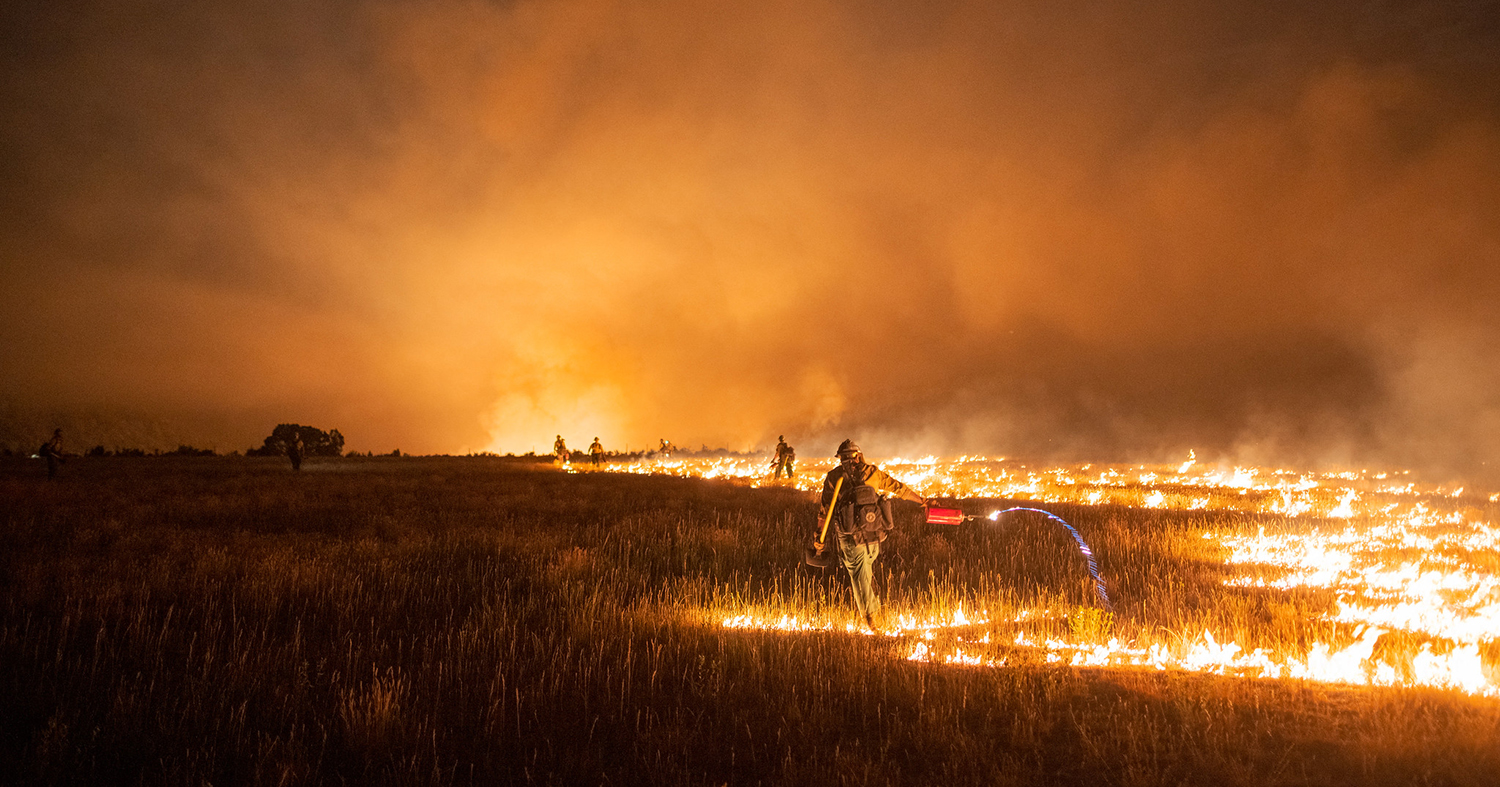
November 20, 2024 — The U.S. Forest Service successfully treated over 325,000 acres for forest health on national forests in California during the 2024 fiscal year. This includes over 72,000 acres of prescribed burning alone. The previous U.S. Forest Service record for prescribed fire was set in 2018 when 63,711 acres were treated. This marks significant progress toward the USFS target of deploying 150,000 acres of beneficial fire in California’s Strategic Plan for Expanding the Use of Beneficial Fire.

Leading Scientists Share Latest Findings to Improve Wildfire Resilience at December 13 Meeting
TASK FORCE SACRAMENTO MEETING
Friday, December 13, 2024 - 9:30 AM to 12:00 PM
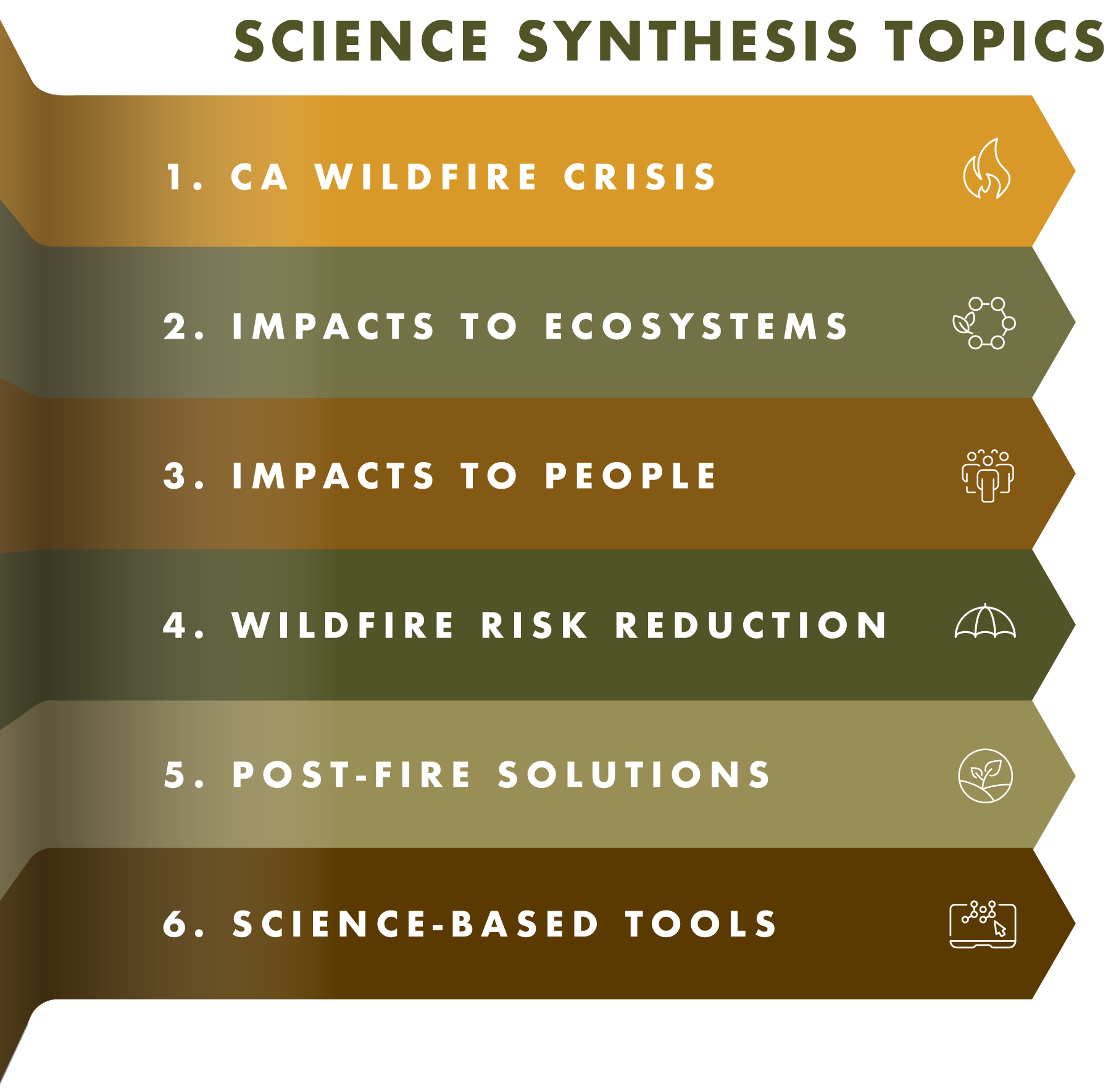
The December 13 Task Force meeting in Sacramento will focus on the Science Synthesis Project, showcasing the latest findings and recommendations from leading scientists guiding the state’s efforts to minimize the risk of destructive wildfires. The Task Force’s Science Advisory Panel has identified key findings to drive action, save lives, protect communities, and reduce wildfire risks throughout California. The synthesis is distilled into six "key messages," each designed to guide funding strategies, prioritize programs, and champion sustained investment in effective wildfire management approaches.
Sound science is at the very core of a successful strategy for wildfire and landscape resilience. The Task Force Science Advisory Panel is comprised of top scientists working across a range of disciplines. Their direction ensures California’s investments in protecting communities and natural environments are working as effectively and efficiently as possible.
FEATURED PANEL - SYNTHESIS OF SCIENCE
Through a series of panel discussions, members of the Task Force’s Science Advisory Panel will provide highlights from a synthesis of scientific findings since 2021 on issues related to wildfire and landscape resilience that will help inform the Task Force’s 2025 Action Plan.

Steve Ostoja
Moderator – USDA CA Climate Hub

Scott Stephens
UC Berkeley

Malcolm P. North
USDA Pacific Southwest Research Station

Chris Fettig
USDA Pacific Southwest Research Station

Lenya Quinn-Davidson
UC Agriculture & Natural Resources

Emily Schlickman
UC Davis

Don Lindsay
CA Department of Conservation
Dana Walsh
U.S. Forest Service

Brandon Collins
U.S. Forest Service
MEETING SCHEDULE
Attend in person at the CNRA Auditorium
715 P St. Sacramento (no registration required) or via Zoom
9:30 AM
Welcome and Opening Remarks
9:50 AM
Director’s Report
• Task Force Update
• 2025 Action Plan Overview
Update on Task Force priorities & key accomplishments.
10:00 AM
Forest and Rangeland Assessment
10:10 AM
Synthesis of the Science
Through a series of panel discussions, members of the Task Force’s Science Advisory Panel will provide highlights from a synthesis of scientific findings since 2021 on issues related to wildfire and landscape resilience that will help inform the Task Force’s 2025 Action Plan.
10:15 AM
How did we get here and why does it matter?
• Wildfires and Ecosystems
• Wildfires and Communities
10:40 AM
What have we learned about what works and where we go from here?
Part 1: Landscape Resilience & Community Protection
• Community Protection
• Treatment Effectiveness & Limitations
• Strategic Fire Management
11:20 AM
Part 2: Post-Fire Considerations
• Post-Fire Management Interventions
• Climate-Informed Reforestation
• Debris Flows
11:55 AM
Closing Remarks

California Passes Proposition 4 — Providing $1.5 Billion for Wildfire Resilience
California Passes Proposition 4 — Providing $1.5 Billion for Wildfire Resilience
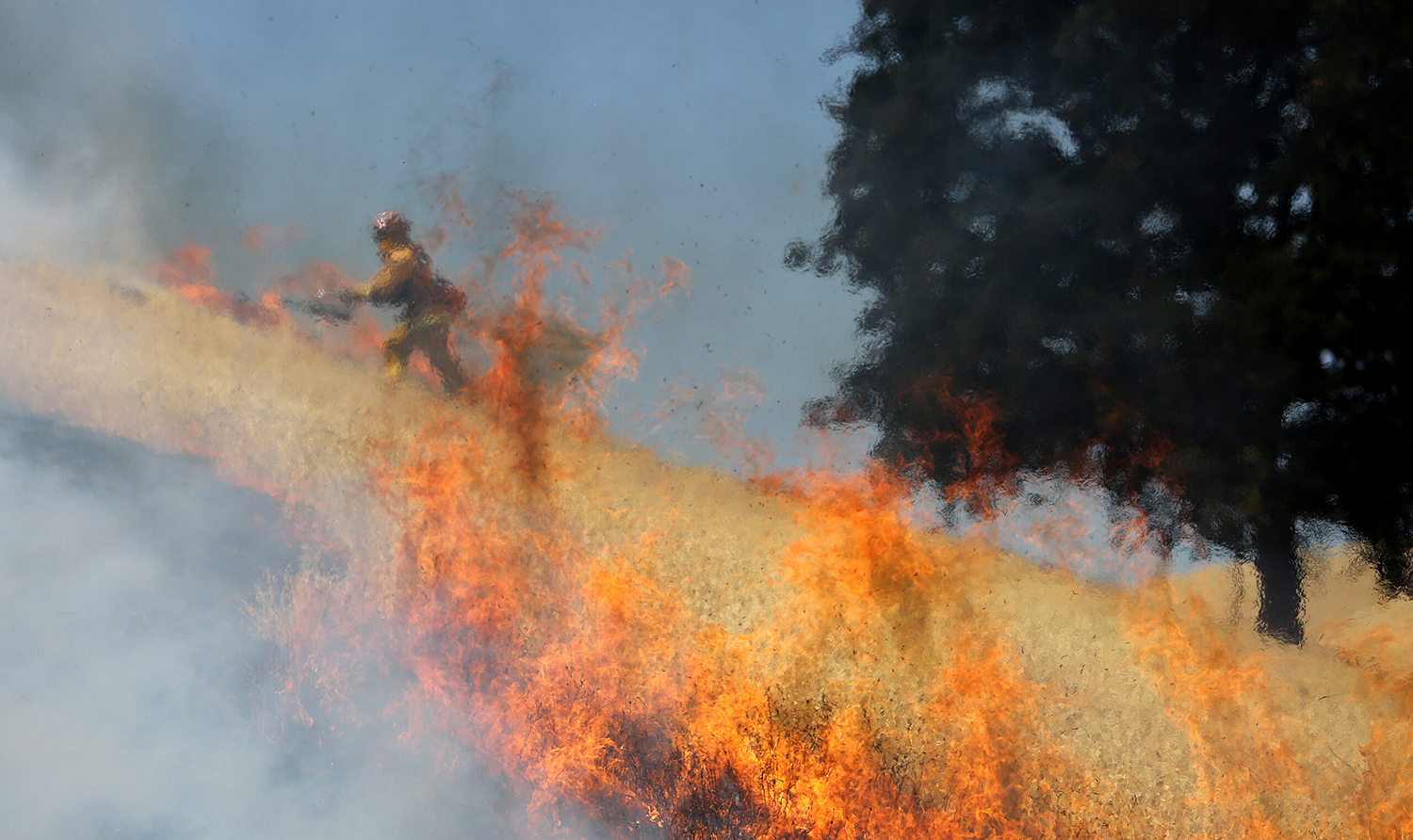
November 5, 2024 – Californians passed Proposition 4, the first-ever climate bond to go before California voters. The proposition provides $10 billion in bond funds for critical wildfire, flood protection, and other climate resilience projects around the state, including $1.5 billion for wildfire resilience. This funding will enable agencies to improve landscape health and resilience and protect communities from wildfire risks through programs such as the Regional Forest and Fire Capacity Program. The funding also includes $50 million for long-term capital infrastructure projects that utilize wildfire mitigation waste for non-combustible uses.
In addition to funding wildfire resilience, $1.2 billion will be used to protect natural lands and preserve biodiversity, with $870 million directed to the Wildlife Conservation Board to help the state to meet its goal to protect 30% of lands by 2030. The approval of Proposition 4 is a major advancement for California’s efforts to increase the pace and scale of wildfire and landscape resilience treatments, adapt to a changing climate, and reach goals set in the California’s Wildfire and Forest Resilience Action Plan.
Task Force to Showcase Latest Science Driving California’s Actions to Improve Wildfire Resilience
Task Force to Showcase Latest Science Driving California’s Actions to Improve Wildfire Resilience
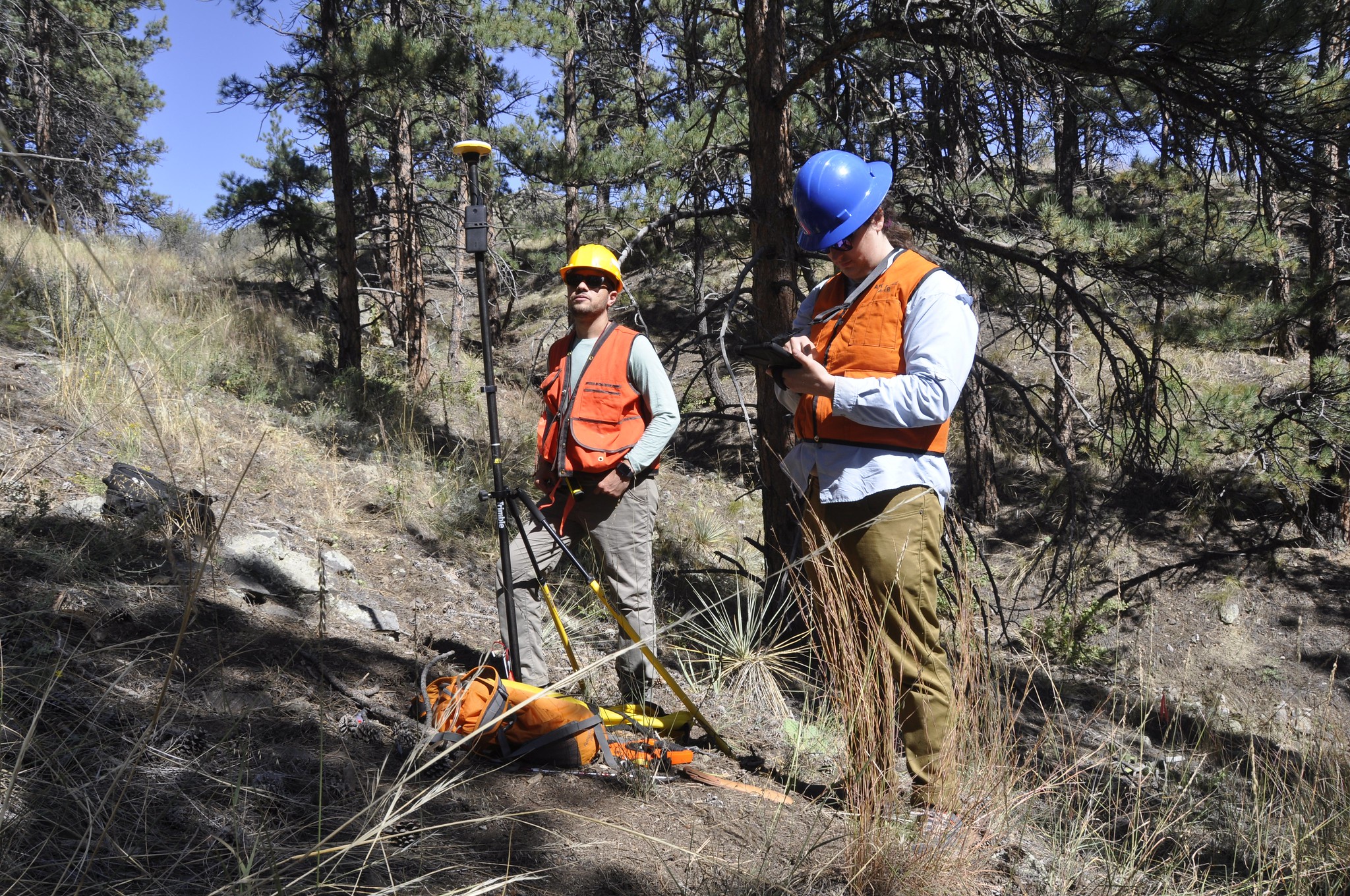
On December 13, the Task Force will host a meeting in Sacramento that will highlight recent research that is guiding California’s efforts to respond to increasing wildfire risks in a changing climate. The Task Force’s Science Advisory Panel will be joined by scientists at the forefront of wildfire research to provide a synthesis of key findings on reducing the risk of catastrophic wildfire, impacts of wildfire to ecosystems and public health, post-fire restoration, and new technologies and innovations to accelerate progress toward resilience. These findings will help inform the Task Force’s 2025 Action Plan to ensure the plan is based on the latest science being published by leading researchers from across California. The meeting will also feature a preview of CAL FIRE’s 2024 Forest and Rangelands Assessment. The meeting will be held from 9 a.m. to 12 p.m. in the CNRA Auditorium, 715 P St., Sacramento (no registration necessary) and Via Zoom (registration required).
State and Federal Investments Conserve Forestlands in Perpetuity
State and Federal Investments Conserve Forestlands in Perpetuity
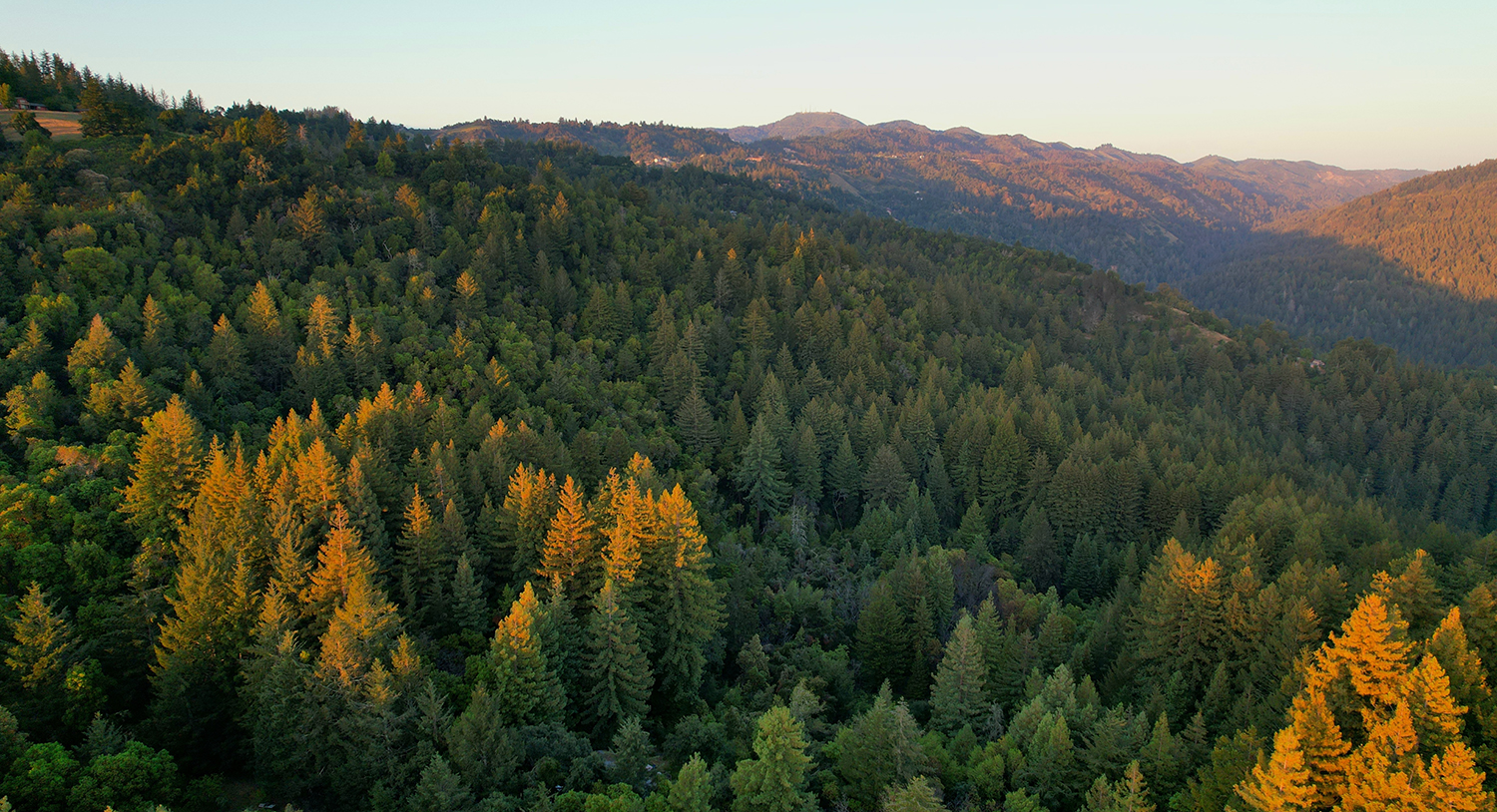
October 29, 2024 – CAL FIRE and the U.S. Forest Service have announced grant awards to protect forestlands threatened with conversion to non-forest uses. Together, these investments improve forest health and reduce wildfire risk throughout the state.
CAL FIRE awarded $8.5 million through California Forest Legacy to four projects that ensure long-term land stewardship on properties that will continue to provide, in perpetuity, such benefits as sustainable timber production, wildlife habitat, recreation opportunities, carbon sequestration, watershed protection, and open space. One funded project will enable the Colfax-Todds Valley Consolidated Tribe to acquire the Owl Creek property in Placer County; while Placer Land Trust will hold a conservation easement to ensure protection of the property, the Tribe will manage the land using Indigenous management practices.
The USFS awarded more than $265 million to 21 projects nationwide through the federal Forest Legacy program to conserve nearly 335,000 acres of private forestlands. In California, a $1.5 million grant will conserve 94 acres of unique montane mixed-conifer forest in the recreation destination of Lake Arrowhead, east of Los Angeles. The property provides habitat for 7 federal and 4 state species of concern.

New Film On CA’s First Spanish Language Prescribed Fire Training Exchange
Documentary Showcases California’s First Spanish Language Prescribed Fire Training Exchange
October 24, 2024 – A new documentary, titled Voces del Fuego (Voices of Fire), tells the story of California’s first Spanish language Prescribed Fire Training Exchange (TREX) which was hosted by the Watershed Research and Training Center for two weeks in October 2023. You can see it online now at the Fire Adapted Communities Learning Network website. The film provides a vibrant testimony of how fire shapes landscapes, communities, and cultures. The documentary highlights the importance of incorporating diverse perspectives and cultures in wildfire and landscape management.
CA State Parks and Partners Treat Over 900 Acres with Beneficial Fire
photo by: Richard Rappaport
CA State Parks and Partners Treat Over 900 Acres with Beneficial Fire
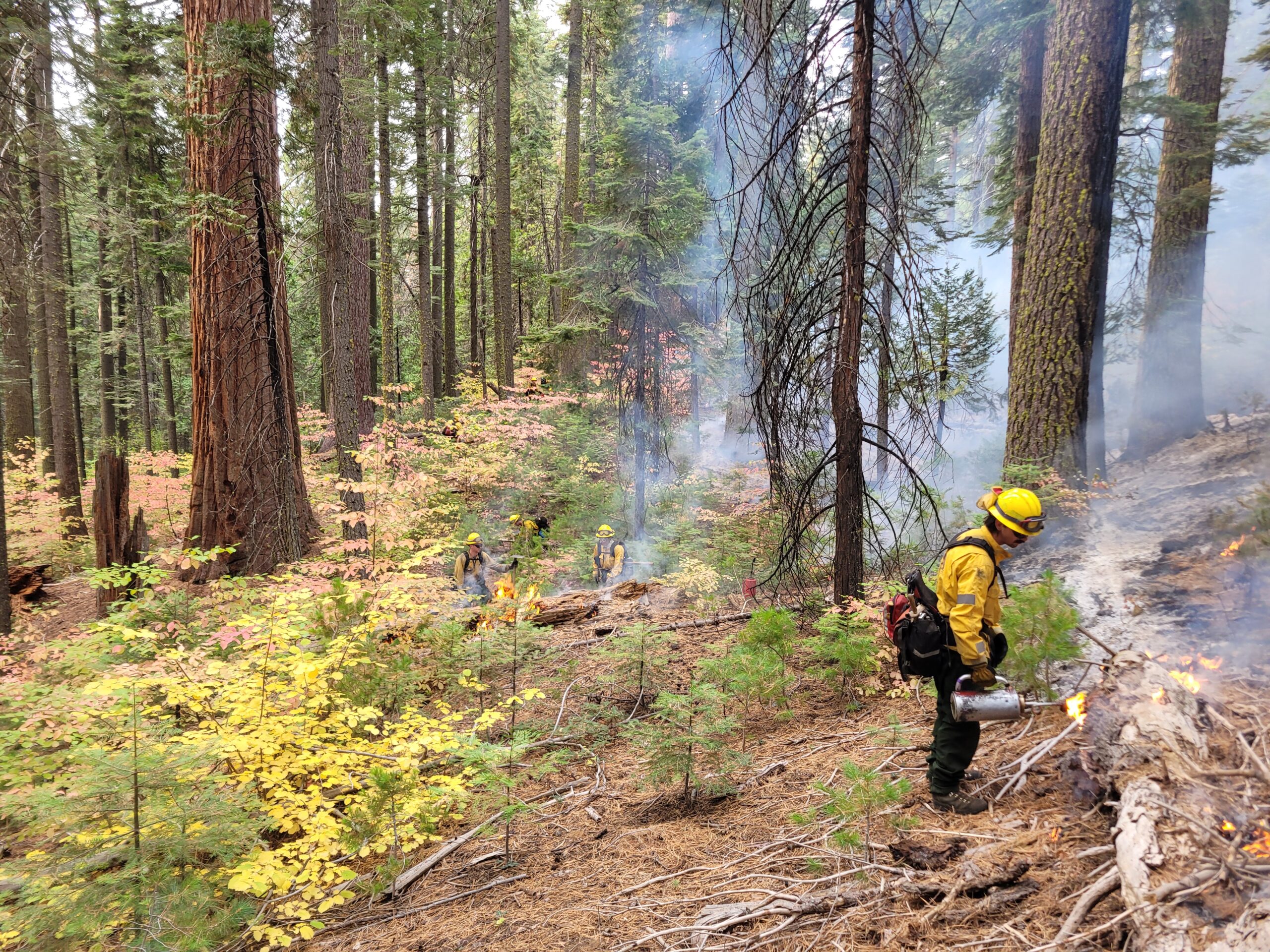
From October 29 to November 1, California State Parks with the assistance of CAL FIRE and the USFS treated 914 acres in the South Grove Natural Preserve at Calaveras Big Trees State Park with prescribed fire.
State Parks, CAL FIRE, USFS and contractors spent years organizing interagency collaboration and preparing the perimeter along with the giant sequoia trees for beneficial fire. Preparation included using mechanical treatments appropriate for State Parks Natural Preserves to remove large fuels from the surrounding fire road and using hand tools to remove large material from the base of over 700 mature giant sequoias.
The entire South Grove Natural Preserve is over 1,300 acres. Critical to giant sequoia stewardship and regeneration, State Parks will continue to be prepared to treat the remaining acres and bring fire back to the entire landscape in regular intervals. This project restores and maintains a complex forest community, promotes giant sequoia regeneration and wildfire resilience, reduces hazardous fuel loads, improves wildlife habitat, and protects park infrastructure.
State Commission Adopts Report on Wildfire Insurance Crisis
State Commission Adopts Report on Wildfire Insurance Crisis
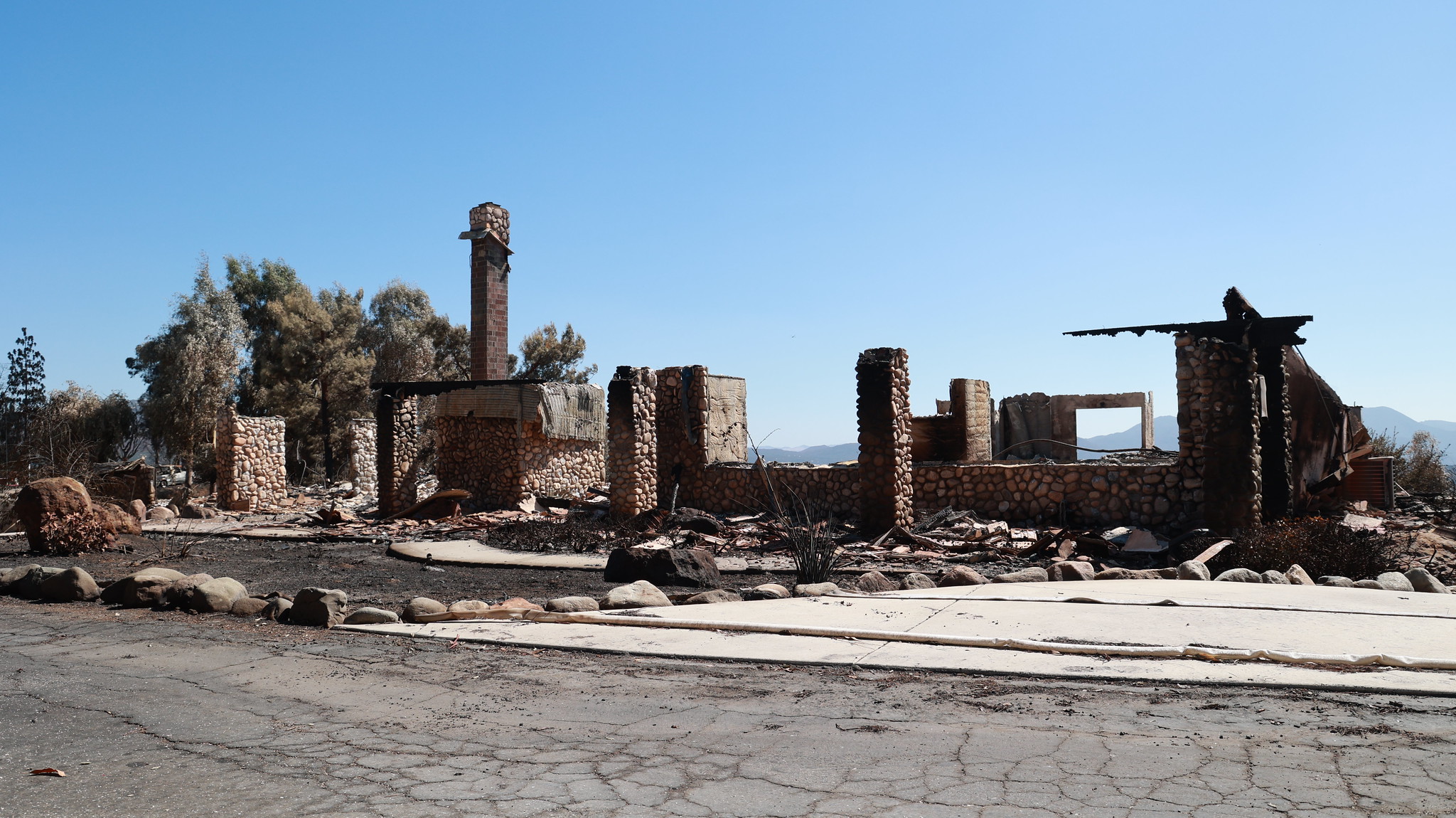
November 7, 2024 – The nonpartisan Little Hoover Commission adopted a report on California’s ongoing property insurance crisis which was issued for public review earlier in the week. The report, which was developed over the course of 2024 through hearings, interviews, and public comment from impacted stakeholders, contains several recommendations to state lawmakers for addressing California’s insurance crisis for areas with high wildfire risk, including:
- Allowing insurers to use catastrophe models for pricing, but requiring that wildfire mitigations performed by homeowners are reflected in those models;
- Creation of an independent panel of experts to evaluate the usage of those models, rather than relying on the California Department of Insurance’s internal processes; and,
- Forming a state working group of wildfire experts to develop a minimum set of wildfire mitigation standards for homeowners and communities to undertake.

CAL FIRE & USFS Investments Confront California’s Wildfire Crisis & Expand Urban Forests
CAL FIRE & USFS Investments Confront California’s Wildfire Crisis & Expand Urban Forests
October 17 – USFS Invests $15 Million to Confront California’s Wildfire Crisis
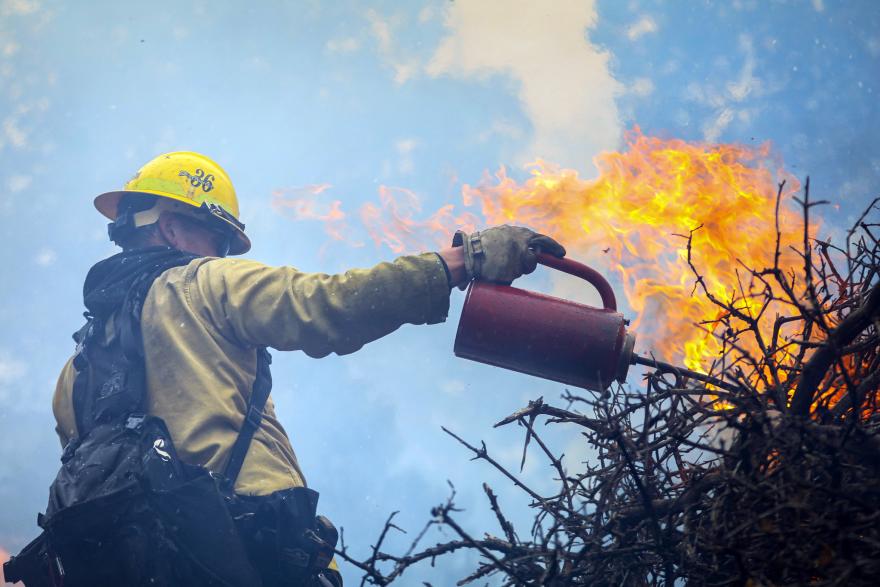
The U.S. Forest Service (USFS) announced $100 million will be invested in 21 new projects to expand work on the USFS Wildfire Crisis Strategy to reduce the threat of wildfire in high-risk areas across the country. $15 million will fund three projects in California helping further Task Force goals of protecting communities in the Wildland Urban Interface.
- Sequoia National Forest – $5 million to reduce wildfire risk to the Breckenridge and Pine Flat communities through thinning and prescribed fire, with wood byproducts going to a biomass facility or the local sawmill when viable.
- Eldorado National Forest – $5 million for hazardous fuels reduction, strategic fuels breaks, and prescribed fire on the Georgetown Divide. The project will also create strategic fuel breaks near residential and commercial infrastructure in Volcanoville and Georgetown, including a high-powered electric transmission line.
- Tahoe National Forest – $5 million to reduce hazardous fuels, create defensible space around six communities, create safe ingress and egress along 6.3 miles of road, and engage at least seven partner groups, including local tribes.
September 20 – CAL FIRE and USFS Award $31 million to 22 Urban Forestry Projects in California
CAL FIRE and USFS announced nearly $31 million in Urban and Community Forestry grants in California focused on urban forestry topics of management, expansion and improvement, education, workforce development, capacity building, and green schoolyards. The projects are intended to reduce greenhouse gas emissions, improve the functionality of urban forests, arrest the decline of urban forest resources, address climate change resilience, improve the quality of the environment in urban areas, and increase access to environmental career pathways. All funded projects will directly serve priority populations within one or more defined disadvantaged and/or low-income communities in an urban area.
CAL FIRE Forest Health Research Grant Program: Applications are now open for the Forest Health Research Program which is offering $4 million in research funding through its FY 2024-2025 grant solicitation. These grants will support research that directly benefits landowners, resource agencies, fire management organizations, and decision-makers throughout the state.