

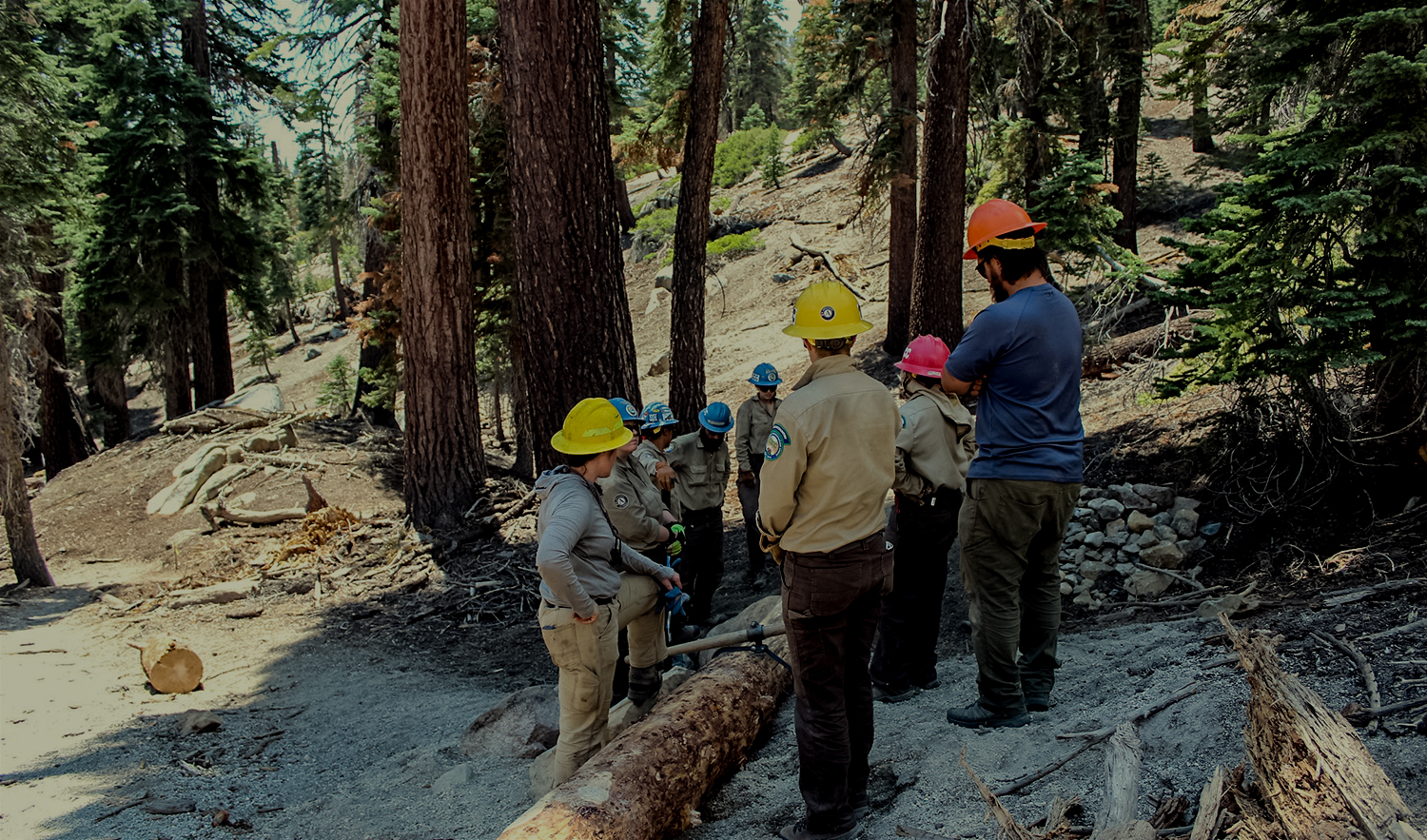
U.S. Economic Development Administration Awards $21.5 Million for CA Workforce Training
U.S. Economic Development Administration Awards $21.5 Million for CA Workforce Training in Forest Health and Fire Safety
Through its proposed CA Resilient Careers in Forestry program, the Foundation for California Community Colleges (FCCC) will partner with employers, educational institutions, and local community-based organizations to build a state-wide infrastructure for training in forest health and fire safety. The 32 winning projects were selected from a pool of 509 applicants.
RESOURCES
U.S. Department of Commerce Announces Winners of American Rescue Plan $500 M Good Jobs Challenge to Expand Employment Opportunities

Sierra Nevada Regional Meeting
Please join us for a Meeting of the California Wildfire and Forest Resilience Task Force
The next meeting of the Task Force will be held in person in Grass Valley, with a webinar option for remote attendance. We look forward to connecting, committing to action and collaborating on real solutions to the daunting challenges facing our communities, forests and ecosystems. REGISTRATION REQUIRED.
RESOURCES
September 27th
8:30 AM: Resource Fair & Registration
10:00 AM – 4:30 PM: Task Force Meeting (Agenda to Follow)
12:00 PM: Lunch – Gourmet Lunch Options Available at $16 per Person
4:30 – 5:30 PM: Local Beer & Wine Reception
8:00 PM: FREE Movie Screening by Wild & Scenic Film Festival
September 28th
Field Tours
SIERRA REGIONAL MEETING FIELD TOURSSeptember 28
Registration Required
**Online registration will close at noon on Monday**
On the day after the Task Force Regional Meeting in Grass Valley, join a range of Task Force partners in field tours throughout the area. You’ll get up-close, real-time, boots-on-the-ground details and demonstrations related to the critical work of the California Wildfire & Forest Resilience Task Force. See the schedule below and choose the field tours that interest you most. Then click here to register > Register Now. Online Tour Registration closes Monday at noon. You will still be able to register in person at the meeting on Tuesday for tours with availability.
ALL TOURS MAY BE SUBJECT TO CHANGE OR CANCELLATION DEPENDING ON FIRE CONDITIONS.
Tours start between 8:00 and 10:00 am.
Tour hosts will contact you with specific tour times and any additional information you may need.
tour #1
Tour:
Linking Water Supply Protection with Workforce Development and Community Bioenergy
HOST:
Yuba Water Agency and Camptonville Community Partnership
Description:
This tour will highlight the connections between efforts to protect New Bullards Bar Dam and Reservoir and its watershed, investments in workforce development programs to accomplish that work, and community-driven development of bioenergy facilities.
details:
Location: New Bullards Bar Dam and Reservoir – Emerald Cover Marine, Cottage Creek parking area
Tour Duration: 2 hrs
Distance from Grass Valley: 45 mins
Accessibility Notes: Walking and standing on flat terrain, sometimes in full sun. Participants may bring their own folding chairs. Passenger vehicles ok.
tour #2
Tour:
Upper Watershed Protection with the North Yuba Forest Partnership
HOST:
South Yuba River Citizens League and Tahoe National Forest
Description:
Join a field outing with members of the North Yuba Forest Partnership to current and future forest health treatment sites on the Yuba River Ranger District, highlighting the landscape features, management needs, and treatment approaches of the North Yuba Landscape Resilience Project. Tour stops include Goodyear’s Bar and Downieville.
details:
Location: Downieville
Tour Duration: 4-5 hrs
Distance from Grass Valley: 1 hour
Accessibility Notes: The group will be visiting two sites along the HWY 49 Corridor: Goodyear’s Bar (pulloff area off of 49) and the Downieville USFS Work Station. Sites will be close to the road with minimal walking required. Roads will be paved.
tour #3
Tour:
Protecting the Wildland-Urban Interface and Egress Routes with the Western Nevada Community Defense Project
HOST:
Tahoe National Forest
Description:
Visit the Western Nevada Community Defense project to observe recently completed pile burn units in the wildland-urban interface of Cascade Shores Homes and along a primary escape route for local residents.
details:
Location: Greenhorn Road, Nevada City
Tour Duration: 1 hour
Distance from Grass Valley: 45 mins
Accessibility Notes: Paricipants will be standing in partial sun. Dirt road, all wheel drive recommended.
tour #4
Tour:
Headwaters Meadow Restoration at Van Norden Meadow
HOST:
Tahoe National Forest and South Yuba River Citizens League
Description:
During this tour, participants will learn about meadows, meadow restoration, and view active stream channel restoration, encroaching tree mastication, and bridge construction across the 485-acre Van Norden Meadow at the headwaters of the South Yuba River.
details:
Location: Van Norden Meadow, Soda Springs
Tour Duration: 2 hours
Distance from Grass Valley: 1 hour
Accessibility Notes: 2-3 miles of mostly flat on-trail walking at 7000 ft of elevation. Dirt road accessible to passenger vehicles.
tour #5
Tour:
Working Forest Conservation and Restoration: Improving Forest Health on the Deer Creek Park Forest Reserve Conservation Easement
HOST:
Bear Yuba Land Trust
Description:
This tour will consist of a walk through Bear Yuba Land Trust's 330-acre Deer Creek Park working forest conservation easement to view forest biomass harvesting, and mastication work treated under CFIP and SNC funds. We will discuss equipment, previous forest conditions, and the realities of using prescribed fire in the WUI on private property.
details:
Location: Deer Creek Forest Conservation Easement, Red Dog Road, Nevada City
Tour Duration: 2.5 hours
Distance from Grass Valley: 15 minutes
Accessibility Notes: Some steep slopes and uneven terrain. About 1.5 miles of hiking
tour #6
Tour:
Reducing Wildfire Risk at Scotts Flat to Protect Water Supplies, Hydropower Resources, Communities, and Recreation Assets
HOST:
Nevada Irrigation District
Description:
This tour will demonstrate different treatment methods and strategies that were implemented to reduce wildfire risk adjacent to the Scotts Flat Reservoir Dam and associated campground. Treatment methods included hand-crews with chippers, lop and scatter, and mastication.
details:
Location: Scotts Flat Campground Day Use Area
Tour Duration: 3 hrs
Distance from Grass Valley: 20 mins
Accessibility Notes: Participants will walk on a single track trail on level terrain.
tour #7
Tour:
'Inimim Forest Restoration Project: Experimenting with Different Treatment Types and Linking Recreation Planning and Wildfire Resilience
HOST:
Yuba Watershed Institute
Description:
The tour will visit the 'Inimim Forest Restoration Project, which has treated 550 acres of U.S. Bureau of Land Management lands on the San Juan Ridge since 2018. We will be discussing wildfire resilience and recreation planning, the pros and cons of different treatment methods for different scenarios with Representatives from Nevada County Office of Emergency Services.
details:
Location: North Columbia Schoolhouse Cultural Center, Nevada City
Tour Duration: 3 hrs
Distance from Grass Valley: 30 mins
Accessibility Notes:
tour #8
Tour:
Reforestation in a Burning Landscape: Multi-Age Forestry Fall Field Tour 2022
HOST:
UC Cooperative Extension & private, government, & non-profit partners
Description:
How do we promote multi-age forests after high severity wildfire? Visit eight different wildfires (including re-burns) and post-fire responses across private industrial forests, public lands, and non-industrial private forests. Explore the theory and practice of reforestation and plantation management in a century framed by drought and active fire.
details:
**This is a 2-day field tour. First day will start at 9am in Taylorsville and include a 7-hour loop of the private industrial lands and the Plumas NF. The second day field tour will start at 8:30 am in Quincy and include a 4-hour tour of Emergency Forest Restoration Team (EFoRT) work on non-industrial private forestlands.
Location: To be shared after registration
Tour Duration: Day 1 (9.28): 7 hrs, start time is 9AM
Day 2 (9.29): 4 hours start time is 8:30AM
PLEASE NOTE: This tour is hosted by an affiliated organization with its own registration and cost.
Please register by 9/16. Cost: $40, includes dinner, field trip refreshments, light breakfast.
tour #9
Tour:
Wildfire Risk Reduction on Private Lands - Fire Safe Council and Prescribed Burn Association in Action
HOST:
Ron Gray (Property Owner), Nevada County Fire Safe Council, and Yuba-Bear Burn Cooperative
Description:
Tour a private property where fuel reduction and prescribed fire preparation work has been completed in partnership with the Nevada County Fire Safe Council and the Yuba-Bear Burn Cooperative. The property acts as a buffer between the Yuba River and the 400 residential properties in the Blue Tent community north of Nevada City.
details:
Tour starts at 9 AM.
Location: Edward’s Crossing, Nevada City
Tour Duration: 2 hours
Distance from Grass Valley: 20 mins
Accessibility Notes: Walking on mostly flat trails. Low clearance vehicles ok.
tour #10
Tour:
FOREST⇌FIRE Art Exhibit Tour
HOST:
Llewellyn Studio
Description:
The FOREST⇌FIRE Project invites the people of the Truckee Tahoe region into the captivating story of the Sierra Nevada Forest’s 13,000-year relationship with fire and the surprising and essential role humans play within it, affecting forest, watershed, and our own well-being, from the past into the future. Join the exhibit creators for a narrated tour of the art exhibits.
details:
Location: Truckee Community Recreation Center, Truckee
Tour Duration: 1-2 hours
Distance from Grass Valley: 1 hour, 15 mins
Accessibility Notes: Indoors, ADA accessible
tour #11
Tour:
Forest Restoration and Forest Research at Sagehen Experimental Forest
HOST:
USDA Forest Service Pacific Southwest Research Station, Sagehen Experimental Forest (U.C. Berkeley Field Station)
Description:
Tour the Sagehen Forest Restoration Project, a research-management partnership to implement and study one of the first large-scale, watershed-wide treatments designed to increase forest heterogeneity while reducing the risk of destructive wildfire. PLEASE NOTE: This tour may be subject to change or cancellation depending on fire conditions.
details:
Location: Sagehen Creek Field Station and Experimental Forest, north of Truckee
Tour Duration: 3 hrs
Distance from Grass Valley: 1.5 hours
Accessibility Notes: Mostly driving, some light hiking.
Participating Hotels



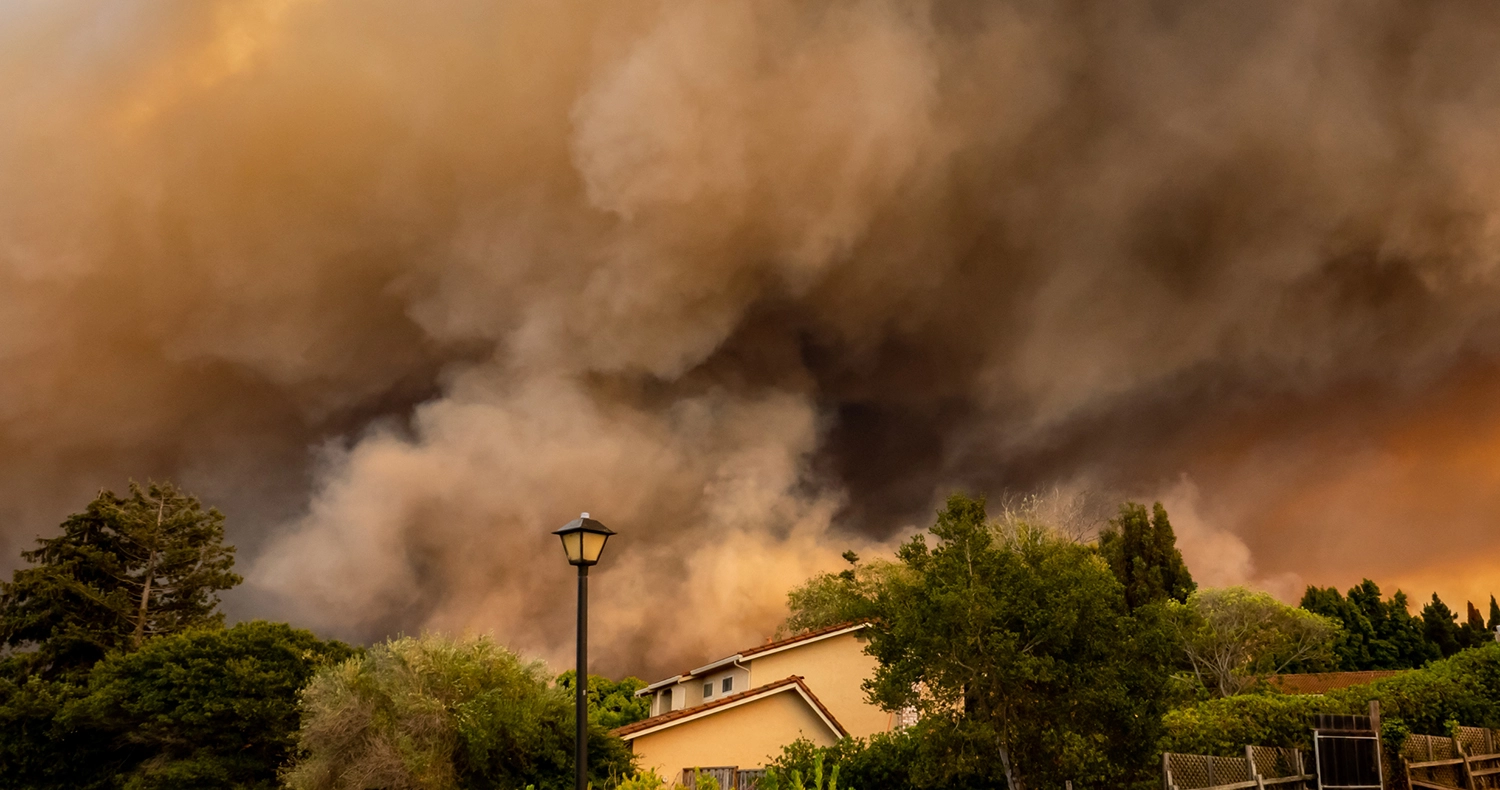
Cal OES Awards $25 Million to Local Organizations to Protect Vulnerable Communities
Cal OES Awards $25 Million to Local Organizations to Protect Vulnerable Communities from Disasters
In this second wave of funding, the California Department of Emergency Services awarded grants to 93 community partners to ensure the state’s most vulnerable are ready when disaster strikes. These grants prioritize communities that are considered both socially vulnerable and at a high risk of being impacted by wildfire, flood, earthquake, drought or heatwave.
RESOURCES
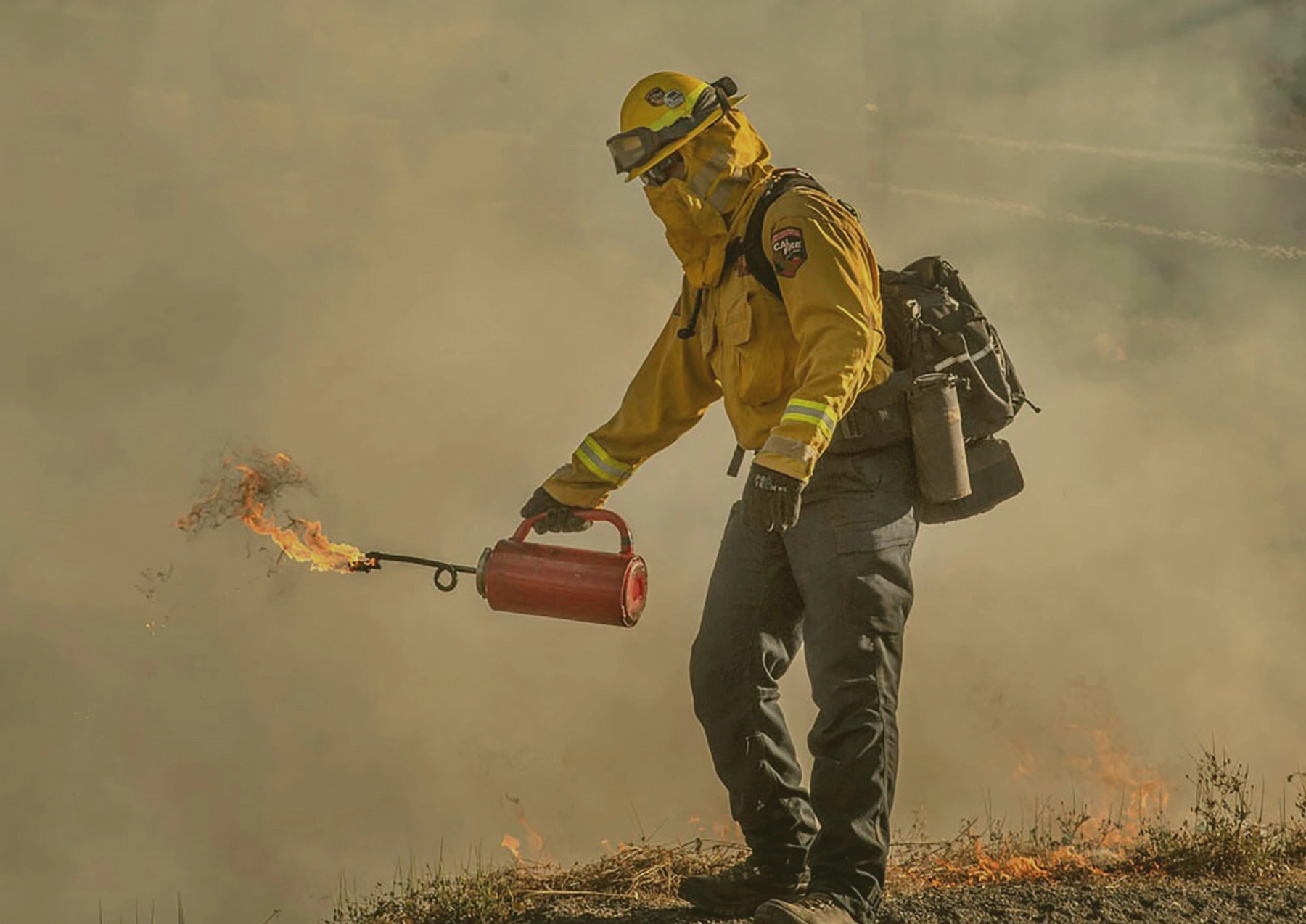
LA Times Op-Ed: Why Forest Managers Need To Team Up With Indigenous Fire Practitioners
LA Times Op-Ed: Why Forest Managers Need To Team Up With Indigenous Fire Practitioners
Los Angeles Times, July 31, 2022, By Don Hankins, Scott Stephens and Sara A. Clark
The forests of the Western United States are facing an unprecedented crisis, besieged by wildfires and climate change. There is a precedent for part of the solution, though: intentional burns such as those set by Indigenous peoples.
RESOURCES
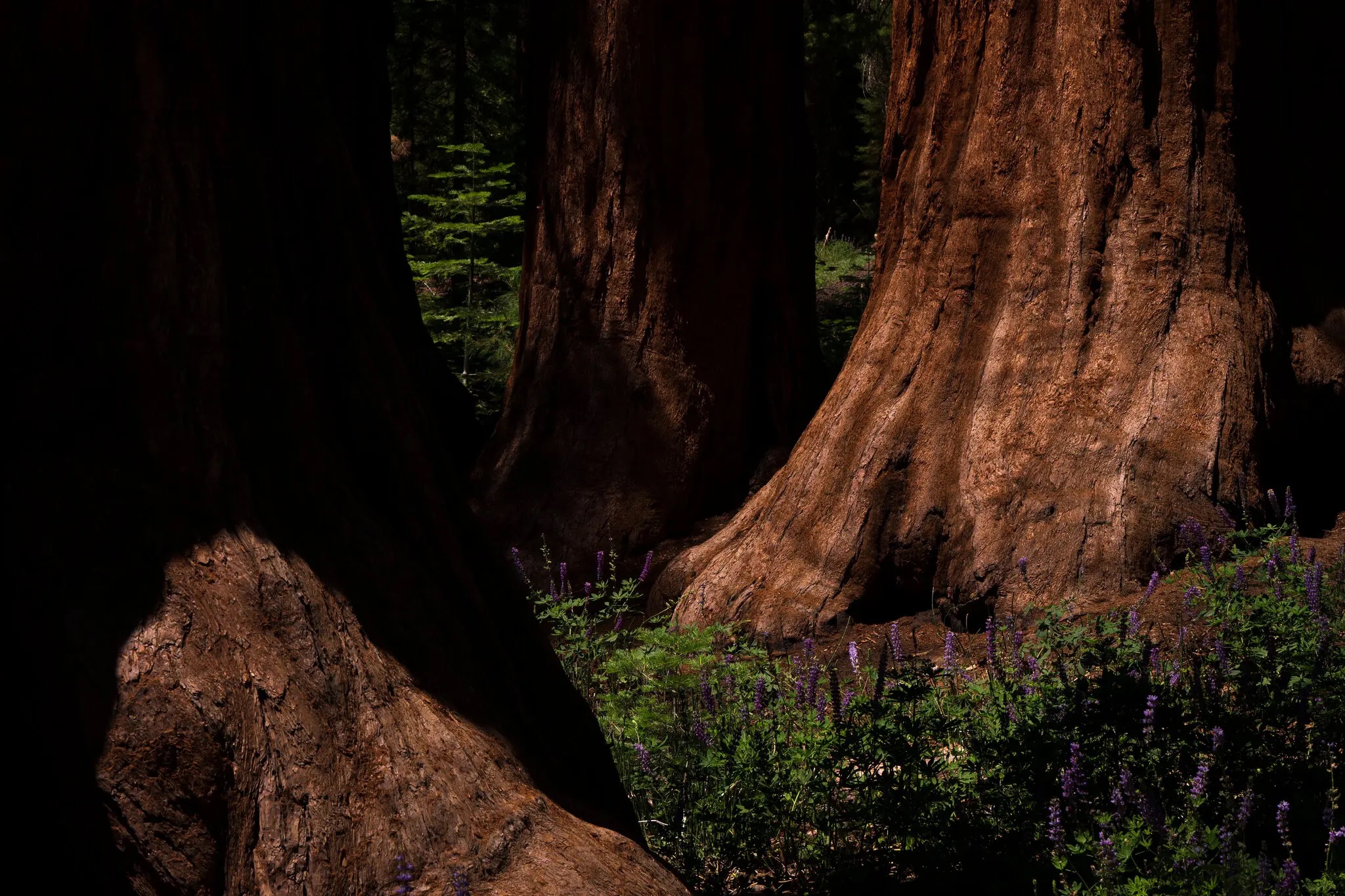
Wildfire Resilience Work Helps Save Yosemite Sequoias
Wildfire Resilience Work
Helps Save Yosemite Sequoias
photo credit: New York Times
Fuels Reduction Partnerships Pay Off In Controlling The Washburn Fire
Some of the world’s most iconic trees in one of the world’s most famous forests are safe today thanks in part to resilience treatments funded through CAL FIRE’s Forest Health grant program.
“This project has meant the difference for the community and the grove. I suspect that if Wawona Road was in the state that it was prior to the project, it could be a very different outcome for the Mariposa grove and the community.”
– Garett Dickman, National Park Service Vegetation Ecologist
photo credit: New York Times
Protecting the ancient, majestic giant sequoias in the largest and most popular of Yosemite’s sequoias clusters was an immediate concern for land managers when the Washburn Fire broke out near Mariposa Grove. Fortunately, a partnership that includes the Mariposa County Resource Conservation District, National Park Service and local private landowners had done the important fuels reduction work that reduced the fire’s severity and helped firefighters protect the invaluable trees.
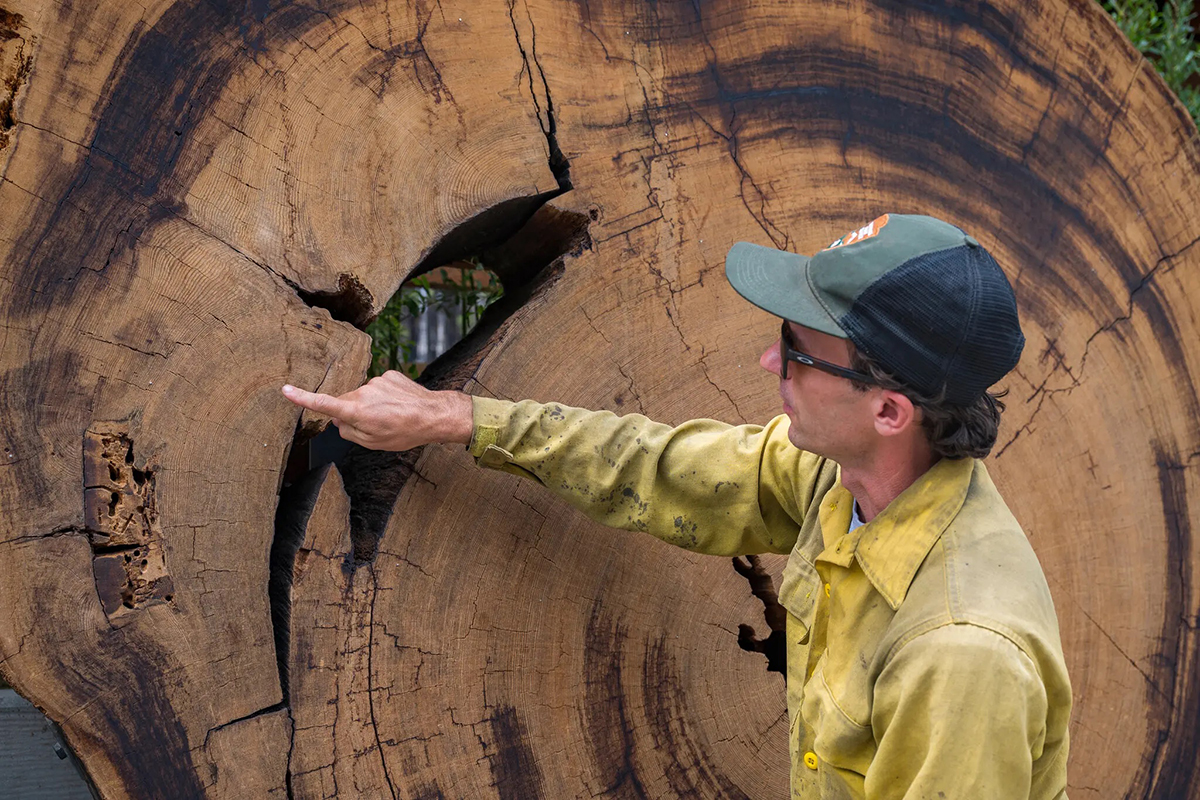
Garrett Dickman, a Vegetation Ecologist at Yosemite National Park was on the fire and observed its behavior. Referring to biomass removal treatments along a key road in the park, he said, “Firefighters [were] able to hold the road with minimal prep,” and the fuels reduction was “…proving critical in our ability to protect the community of Wawona.” Dickman pointed out that flame heights were a few inches to a just a few feet in treated areas, compared to flames that were tens to hundreds of feet long elsewhere.
photo credit: New York Times
CAL FIRE Forest Health provides funding to local and regional organizations that coordinate multiple treatment objectives, within landscape scale projects. Objectives include fuel reduction, prescribed fire, reforestation, biomass utilization and pest management. Land may be owned by tribes, private individuals, private companies, and local, state, or federal governments. The Washburn Fire is a good example of the critical impact these projects have in slowing the spread of wildfire, promoting forest health and, in this case, protecting some California’s most iconic natural treasures.
RESOURCES
Grant Guidelines Released for the 2022 Regional Forest & Fire Capacity Program
Grant Guidelines released for the 2022 Regional Forest & Fire Capacity Program
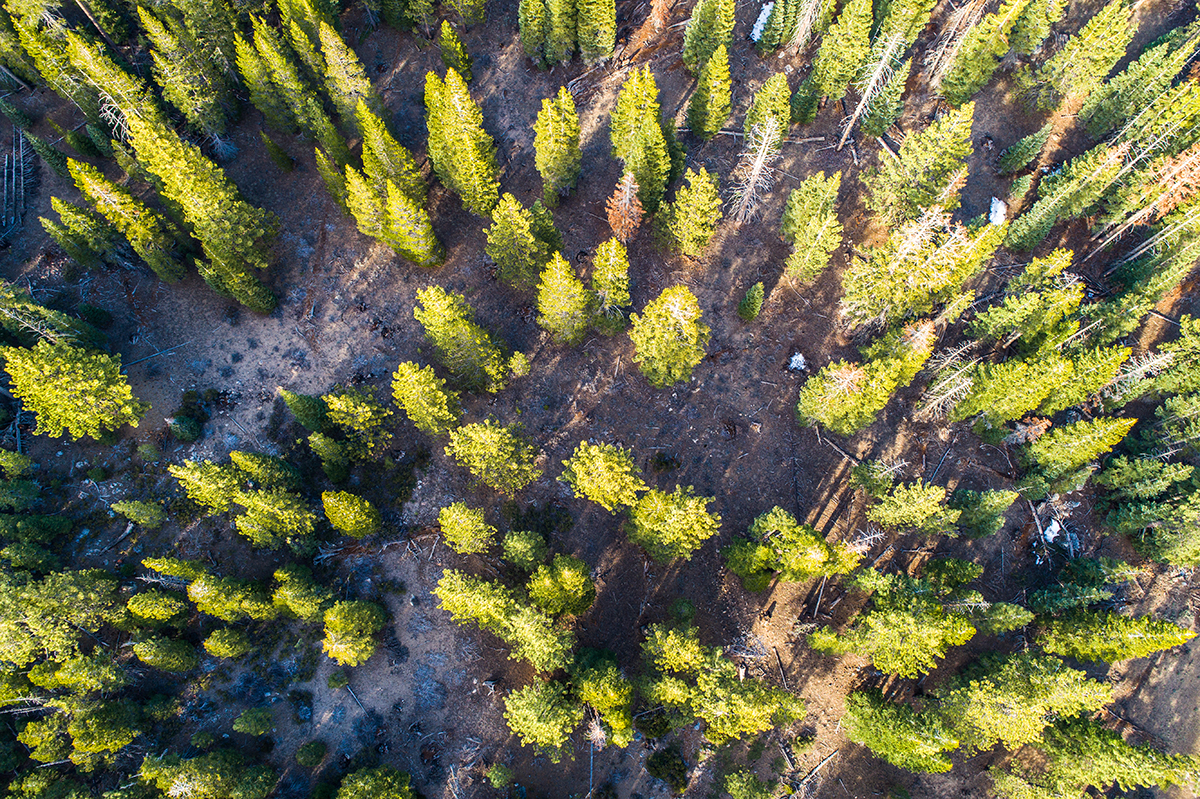
RFFC grants support regional leadership to build local capacity and fund projects that create fire-adapted communities and landscapes by providing ecosystem health, community wildfire preparedness, and fire resilience. The grants funded with these Guidelines utilize the $110 million of General Fund monies appropriated to the DOC for the RFFC Program.
Administration Announces $1 Billion in Community Wildfire Defense Grants
Biden-Harris Administration Announces $1 Billion in Community Wildfire Defense Grants from Bipartisan Infrastructure Law
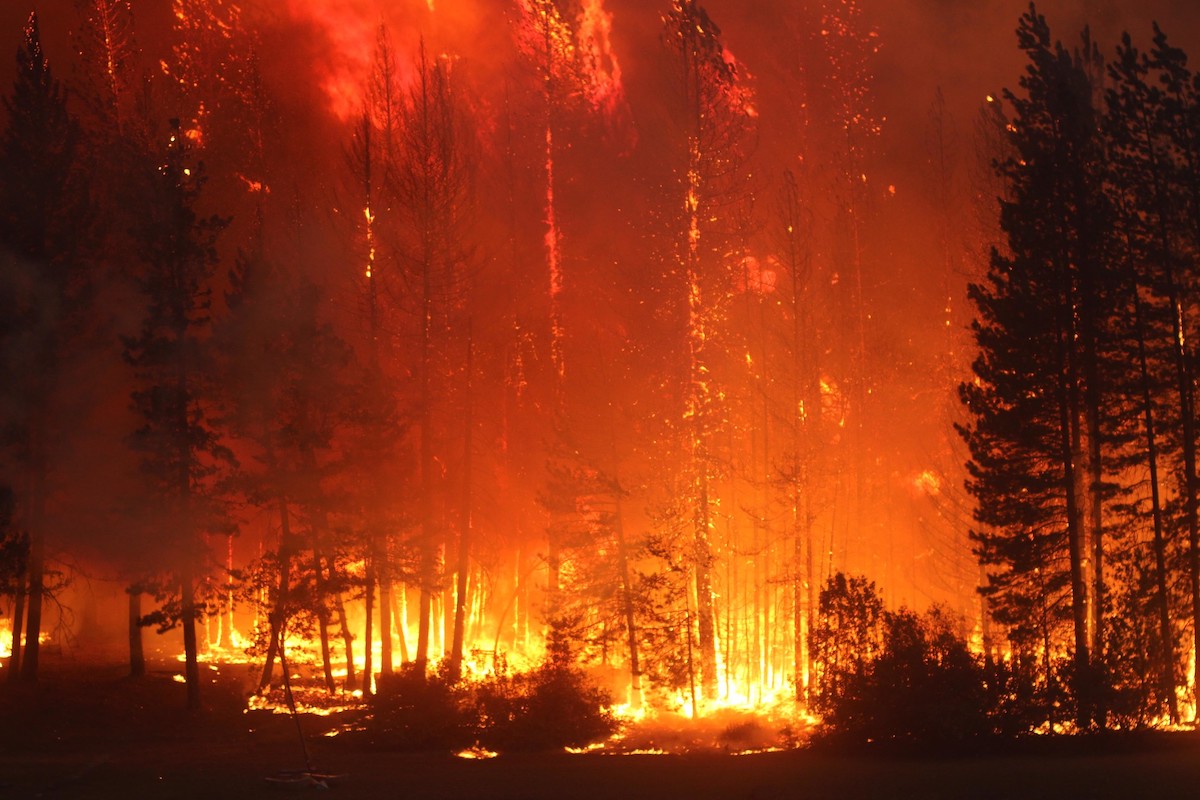
On July 26, Agriculture Secretary Tom Vilsack launched a new $1 billion Community Wildfire Defense Grant Program. Under this new, five-year, competitive program funded by the Bipartisan Infrastructure Law individual grants of up to $250,000 will be awarded to create and update community wildfire protection plans or conduct outreach and education, and grants of up to $10 million will be awarded for associated infrastructure and resilience projects. Applications will be available soon. Local and Tribal governments are encouraged to conduct planning exercises to assist their communities with wildfire preparedness, response and adaptation efforts.
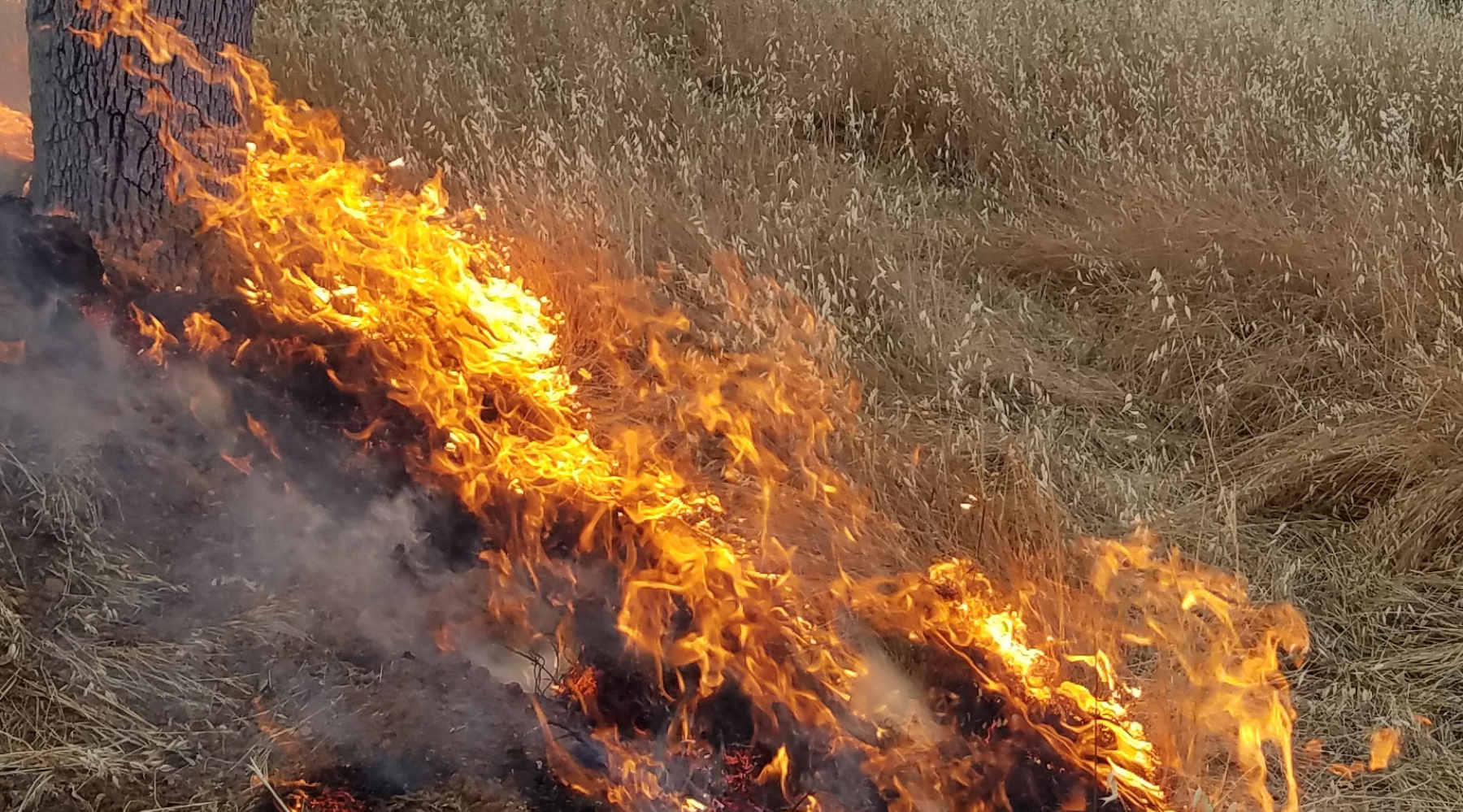
Task Force Issues Strategic Plan For Prescribed Burns
Task Force Issues Strategic Plan For Prescribed Burns
Comprehensive strategy lays path for state, federal, and tribal partners to promote use of “beneficial fire” on up to 400,000 acres annually by 2025 to help make forests more resilient.
March 30, 2022 – California Wildfire and Forest Resilience Task Force issued a Strategic Plan for Expanding the Use of Beneficial Fire to expand the use of prescribed fire and cultural burning to build forest and community resilience statewide – efforts critical to forest management and wildfire mitigation. By expanding the use of beneficial fire, the state can utilize smart burning tactics on brush and other fuels to help both prevent the start of fires and mitigate the spread of wildfires.Based on a collaborative effort of the state’s leading fire experts and managers, the Strategic Plan sets a target of expanding beneficial fire to 400,000 acres annually by 2025, a shared goal between state, federal, tribal, and local entities – part of an overall goal to treat 1 million acres annually in California by 2025. The state invested $1.5 billion in wildfire resilience in 2021 alone, including significant support for prescribed fire and cultural burning.“As climate change continues to exacerbate wildfire conditions, we’re bringing federal, state, tribal, and local partners together to more effectively address the scale of this crisis,” said Governor Gavin Newsom. “California is putting in the work to help protect our communities from the devastating impacts of wildfires, build for the long-term, and safeguard our treasured state for generations to come.” The Governor earlier this week participated in fuels management work along Highway 50 ahead of peak wildfire season, click here for b-roll of the Governor joining CAL FIRE and Conservation Corps crews.“We know that returning good fire to the ground is one of our best tools in the fight against catastrophic wildfire and climate change,” said Task Force Co-Chair and California Secretary for Natural Resources Wade Crowfoot. “This Strategic Plan includes the key steps we need to take over the next few years to build capacity, return to a culture of beneficial fire, and invest in our future.”“This plan is vital to improve the health and resilience of the state’s forests, reduce wildfire risk of vulnerable communities, and increase stewardship by Native American fire practitioners,” added Task Force Co-Chair and U.S. Forest Service Regional Forester Jennifer Eberlien.The key elements of the Strategic Plan include:
- Launching an online prescribed fire permitting system to streamline the review and approval of prescribed fire projects;
- Establishing the state’s new Prescribed Fire Claims Fund to reduce liability for private burners;
- Beginning a statewide program to enable tribes and cultural fire practitioners to revitalize cultural burning practices;
- A prescribed fire training center to grow, train, and diversify the state’s prescribed fire workforce;
- An interagency beneficial fire tracking system;
- Pilot projects to undertake larger landscape-scale burns; and
- A comprehensive review of the state’s smoke management programs to facilitate prescribed fire while protecting public health.
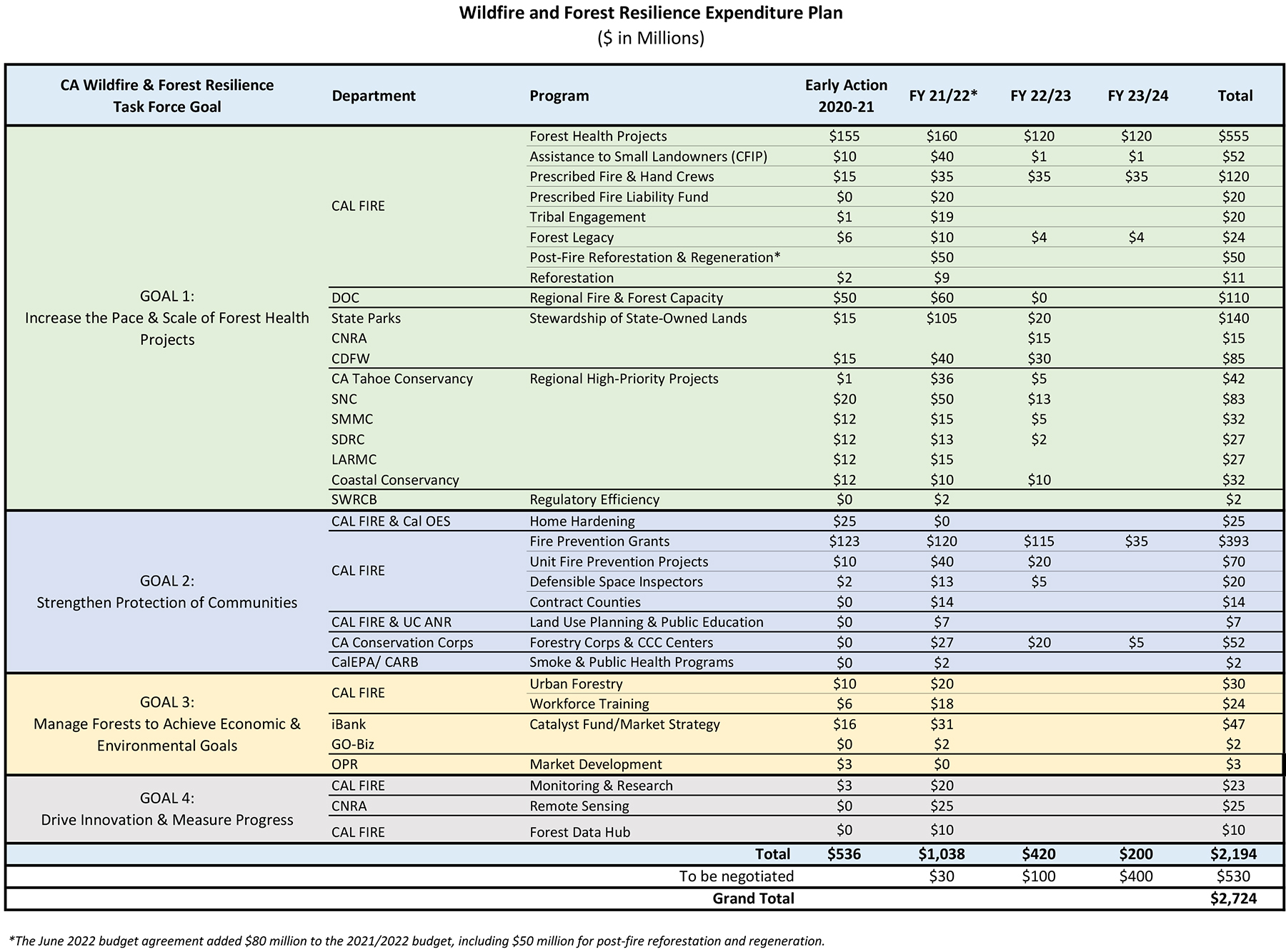
The announcement delivers on several of the key commitments made in the Wildfire and Forest Resilience Action Plan issued in January 2021. The Action Plan is also backed by the Governor’s $1.5 billion investment in forest health and wildfire resilience, and a proposed $1.2 billion additional investment for fiscal years 2022-23 and 2023-24. Lenya Quinn-Davidson, Area Fire Advisor, UC Cooperative Extension: “The plan gives me hope because it represents the vision and priorities of the people who know prescribed fire best—the community leaders, cultural burners, and agency practitioners who have been leading and championing this work for years. California is ready for a bolder, more collaborative approach to prescribed fire, and this plan gives us a great place to start.”Don Hankins, Professor, CSU Chico and Cultural Fire Practitioner: “California’s Strategic Plan for Expanding the Use of Beneficial Fire takes an unprecedented step for the state to address shortcomings of current fire policy and use. Most significant is the recognition of the role of Native American tribes, organizations and practitioners to revitalize traditional fire stewardship.”Craig Thomas, Director, The Fire Restoration Group: “California’s Strategic Plan for Expanding the Use of Beneficial Fire demonstrates the collaborative commitment to expand the use of restorative fire to limit damaging wildfires, stabilize forest carbon, better protect communities, and restore and maintain resiliency and biodiversity in the California landscape. This past year of collaborative work with State and Federal agencies, scientists, and multiple non-governmental partners has addressed and supported the proper role of restorative fire in California.”
Visit: Prescribed Fire Action Area Page
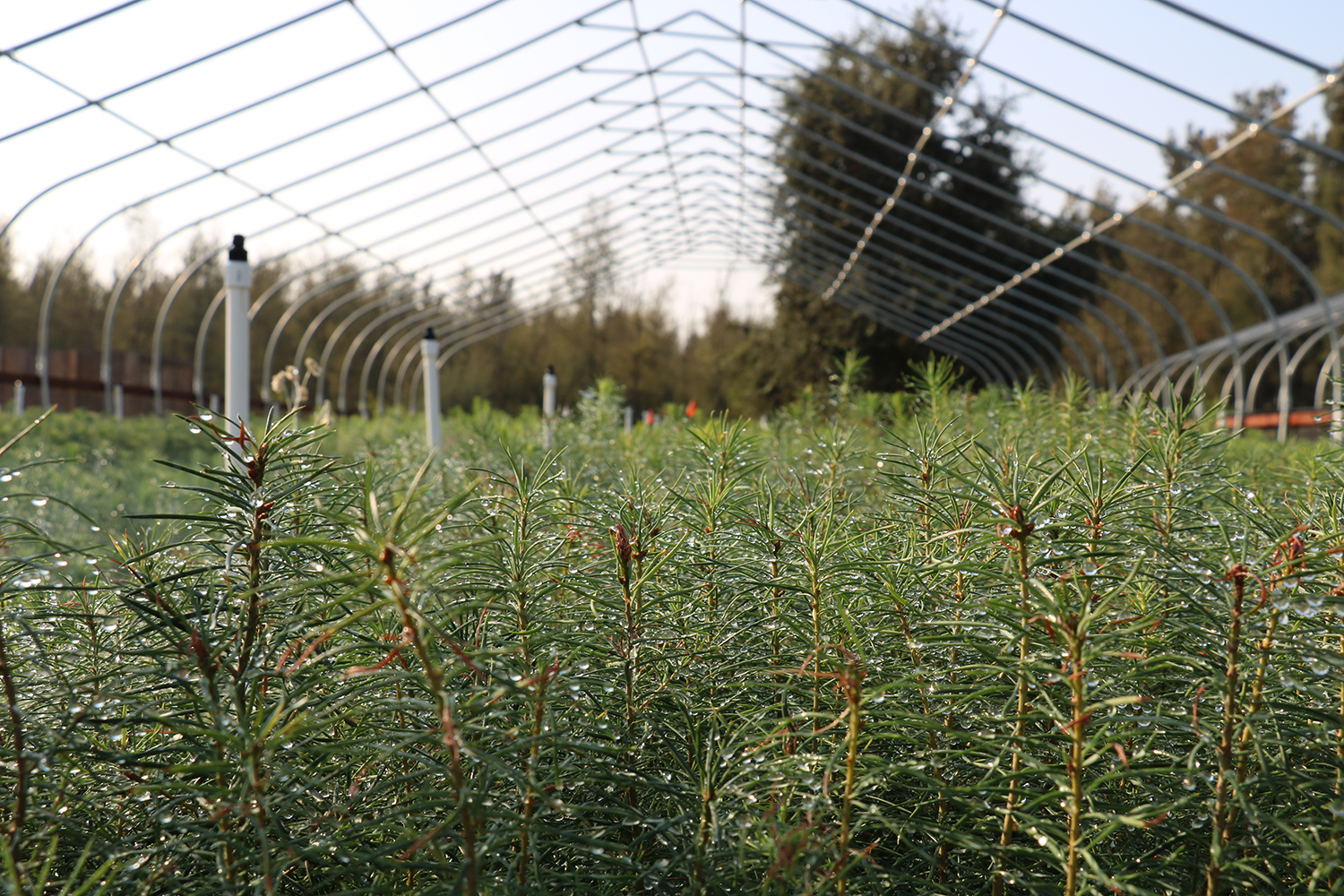
Governor Signs State Forest and Wildfire Budget
Governor Signs State Forest and Wildfire Budget
On June 30, Governor Newsom signed a state budget that includes an additional $670 million for programs that will provide immediate benefits during the 2022 fire season and help the state prepare for the 2023 fire season. Key investments (Link pending) include $400 million for wildfire resilience projects, $265 million for strategic fuel breaks, and $5 million to expand defensible space inspections. The budget also sets aside an additional $530 million over two years for forest and wildfire resilience programs that will be allocated in the summer pending additional discussions with the legislature.
RESOURCES
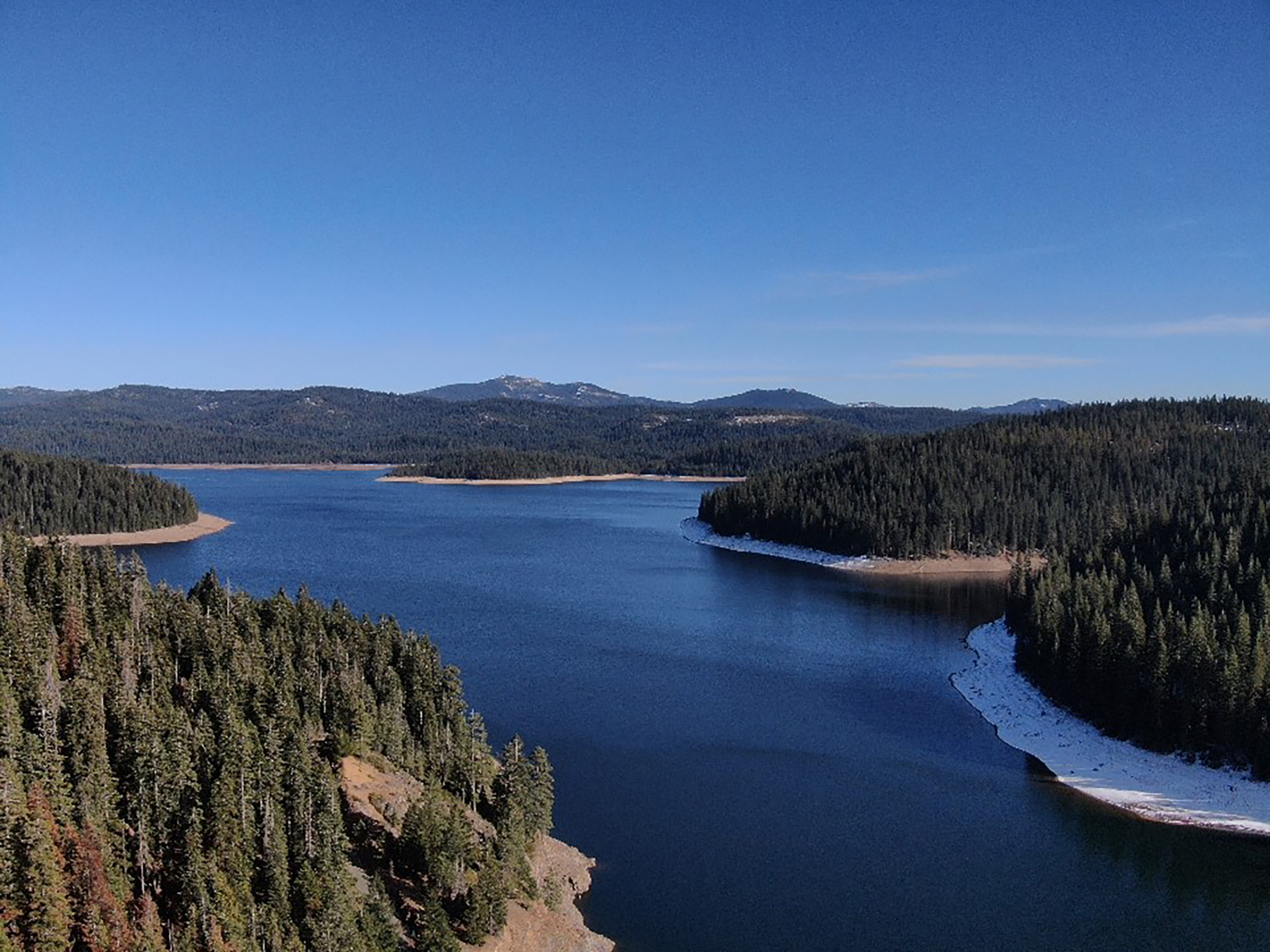
Forestry project complete at Feather River reservoir
Forestry project complete at Feather River reservoir
The Little Grass Valley Reservoir Watershed Project will have a big impact when it comes to protecting local communities and valuable water infrastructure from wildfire.