
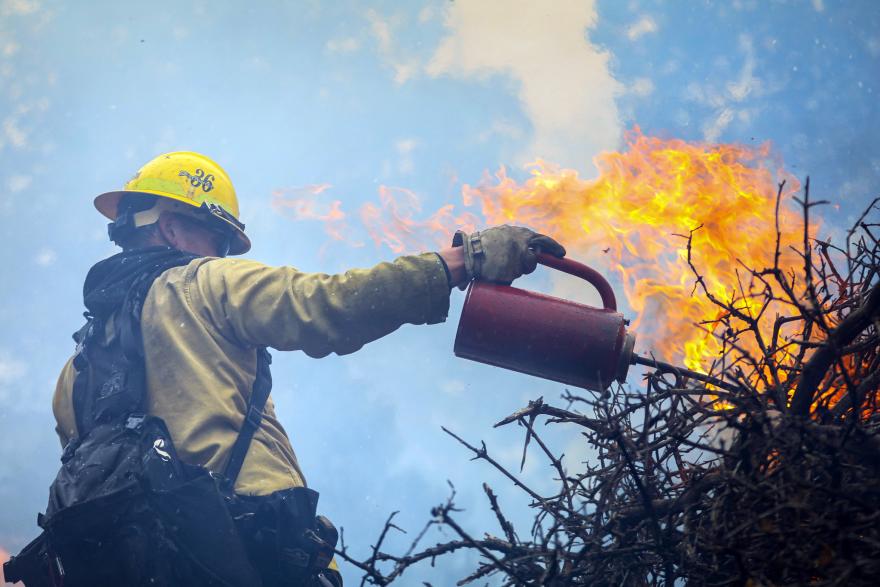
CAL FIRE & USFS Investments Confront California’s Wildfire Crisis & Expand Urban Forests
CAL FIRE & USFS Investments Confront California’s Wildfire Crisis & Expand Urban Forests
October 17 – USFS Invests $15 Million to Confront California’s Wildfire Crisis
The U.S. Forest Service (USFS) announced $100 million will be invested in 21 new projects to expand work on the USFS Wildfire Crisis Strategy to reduce the threat of wildfire in high-risk areas across the country. $15 million will fund three projects in California helping further Task Force goals of protecting communities in the Wildland Urban Interface.
- Sequoia National Forest – $5 million to reduce wildfire risk to the Breckenridge and Pine Flat communities through thinning and prescribed fire, with wood byproducts going to a biomass facility or the local sawmill when viable.
- Eldorado National Forest – $5 million for hazardous fuels reduction, strategic fuels breaks, and prescribed fire on the Georgetown Divide. The project will also create strategic fuel breaks near residential and commercial infrastructure in Volcanoville and Georgetown, including a high-powered electric transmission line.
- Tahoe National Forest – $5 million to reduce hazardous fuels, create defensible space around six communities, create safe ingress and egress along 6.3 miles of road, and engage at least seven partner groups, including local tribes.
September 20 – CAL FIRE and USFS Award $31 million to 22 Urban Forestry Projects in California
CAL FIRE and USFS announced nearly $31 million in Urban and Community Forestry grants in California focused on urban forestry topics of management, expansion and improvement, education, workforce development, capacity building, and green schoolyards. The projects are intended to reduce greenhouse gas emissions, improve the functionality of urban forests, arrest the decline of urban forest resources, address climate change resilience, improve the quality of the environment in urban areas, and increase access to environmental career pathways. All funded projects will directly serve priority populations within one or more defined disadvantaged and/or low-income communities in an urban area.
CAL FIRE Forest Health Research Grant Program: Applications are now open for the Forest Health Research Program which is offering $4 million in research funding through its FY 2024-2025 grant solicitation. These grants will support research that directly benefits landowners, resource agencies, fire management organizations, and decision-makers throughout the state.


New Website Offers a Deep Dive into Intentional Fire
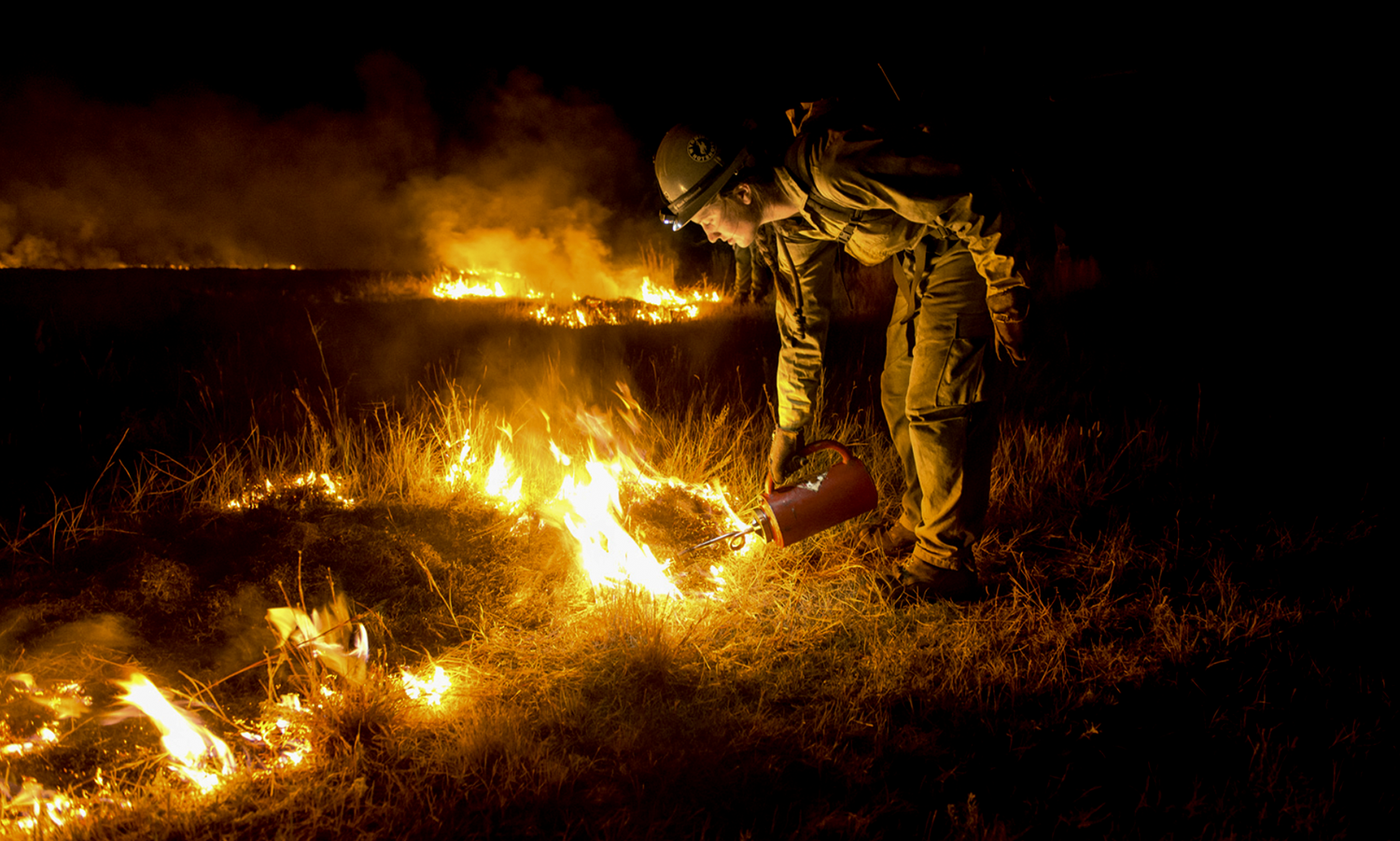
New Website Offers a Deep Dive into Intentional Fire
July 25, 2024 – Intentionalfire.org, a new educational website from the Climate & Wildfire Institute, offers an immersive, interactive view into the use of intentional fire, including prescribed fire and cultural fire. The website provides concise and easy to understand information about the benefits and importance of intentional fire. It also features engaging audio and video clips, project case studies, and actionable steps for people to help advance intentional fire in their communities. Increased use of intentional fire is a critical component of California’s Strategic Plan for Expanding the Use of Beneficial Fire.
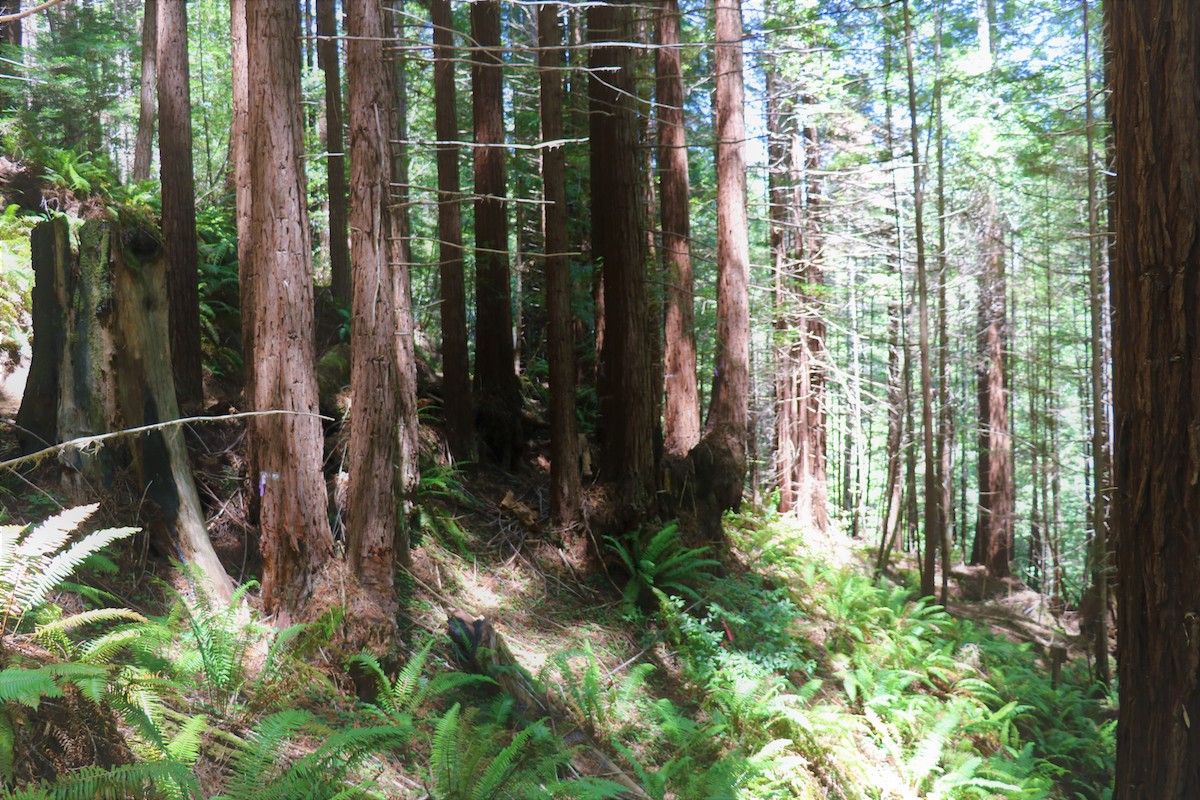
CAL FIRE Announces New Vision for The Jackson Demonstration State Forest
CAL FIRE Announces New Vision for The Jackson Demonstration State Forest
Based on discussions with tribal governments and key stakeholders, the new vision will inform an update to the Jackson Management Plan with a renewed focus on climate science, restoration ecology and a new model for tribal co-management. CAL FIRE also announced that timber harvest will resume with a focus on small trees, removing slash piles, permanently protecting large trees, and enhancing protection of culturally sensitive sites.
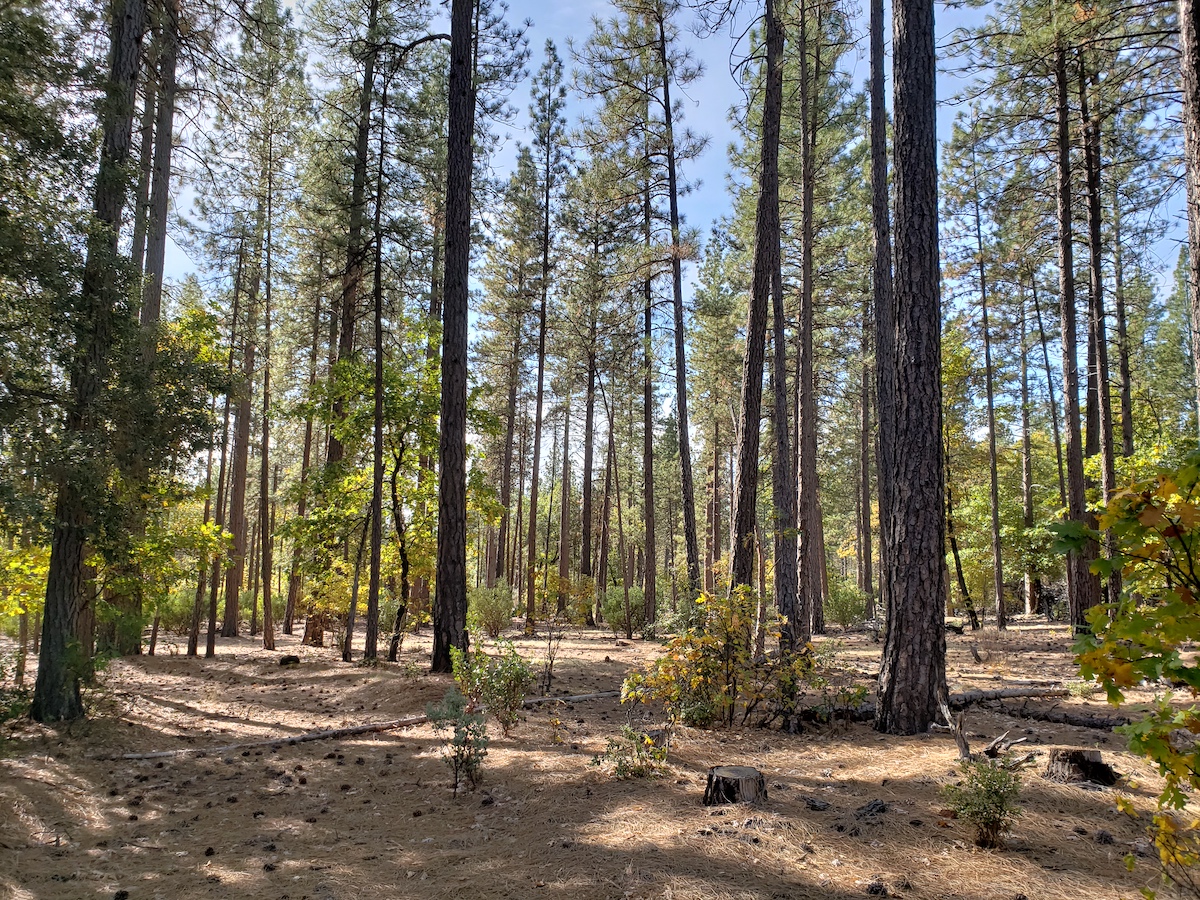
California Demonstration State Forest System Adds 2,500 Acres to Statewide Total For Research, Restoration and Conservation
California Demonstration State Forest System Adds 2,500 Acres to Statewide Total For Research, Restoration and Conservation
CAL FIRE acquired two properties through donation from PG&E including 2,246 acres along South Cow Creek in Shasta County and 267 acres in the headwaters of the Bear River in Nevada and Placer counties. These properties increase the diversity of forest types under CAL FIRE’s stewardship and create new opportunities for research and demonstration of sustainable forestry techniques. CAL FIRE will work collaboratively and closely with the Shasta Land Trust and Bear Yuba Land Trust who hold the conservation easements on these properties to ensure that the scenic, open space, forest, wildlife habitat, recreation, and historic and cultural values are protected forever. The properties will be stewarded for these multiple uses under a Forest Management Plan to be approved by the Board of Forestry and Fire Protection.
The acquisitions bring the total acreage of California’s demonstration state forest system to over 84,000 acres statewide.
RESOURCES
Demonstration State Forests
Shasta Land Trust
Bear Yuba Land Trust
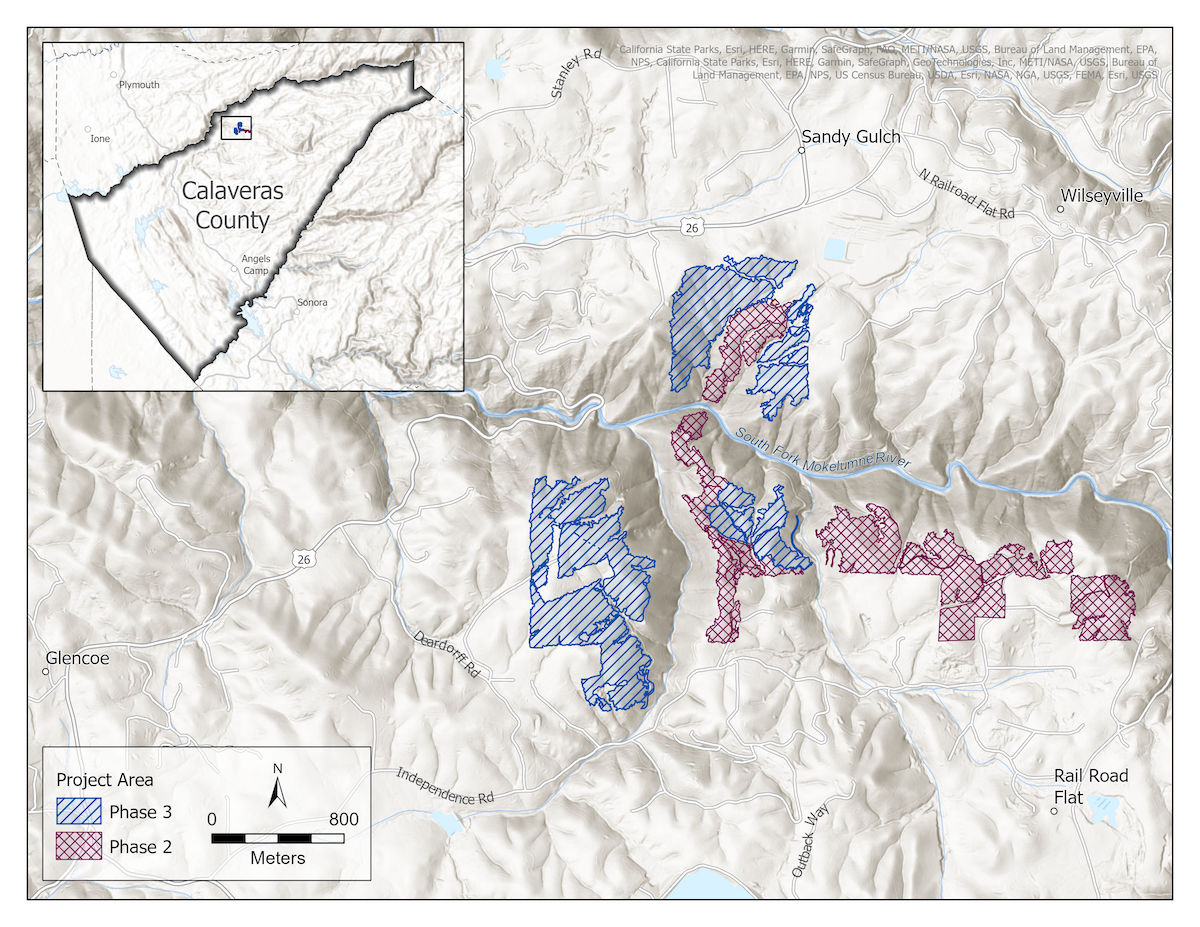
Wildfire-Safety Work Completed in South Fork Mokelumne Watershed
Wildfire-Safety Work Completed in South Fork Mokelumne Watershed
One year after the 2015 Butte Fire destroyed nearly 500 residences nearby, CAL FIRE identified the South Fork Mokelumne River watershed as a top priority for fuels reduction in order to protect communities from future wildfires. With the recent completion of the South Fork Mokelumne River Watershed Restoration Project Phase 3, many of those wildfire worries have, fortunately, been doused.
Funded by the Sierra Nevada Conservancy (SNC) in 2019, Phase 3 removed small-diameter trees and ladder fuels on 285 acres of dense, pine-plantation forests managed by the Bureau of Land Management (BLM), completing the project’s goal of restoring roughly 500 acres of forest. Considering the project area borders many neighborhoods and is surrounded by nearby towns, such as Glencoe, Sandy Gulch, Rail Road Flat, and Wilseyville, this strategic work should greatly reduce the threat of wildfire for thousands of Calaveras County residents.
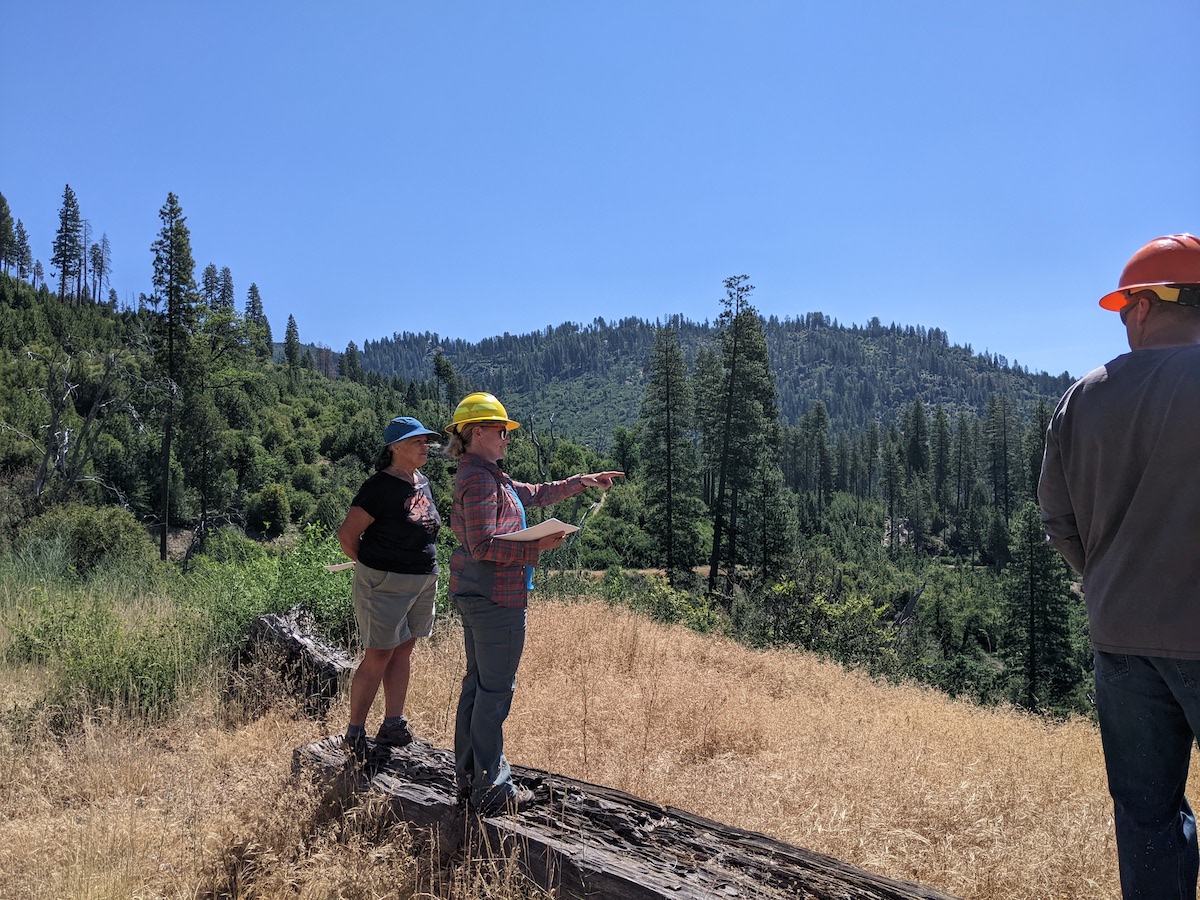
Post Fire Restoration Symposium
Post Fire Restoration Symposium
This virtual symposium focused on how monitoring and research in the southern Sierra Nevada can support post fire restoration planning and help to inform adaptive management. Topics included treatment effects on wildlife, variable density treatments in plantations, hardwood management, aquatics and meadow restoration. Panel discussions provided the opportunity for collaboration on the implications of the work and how to apply this knowledge to future post fire management. The virtual symposium was held and recorded on July 14, 2022.
Presented by: USDA Forest Service Ecology Program, ACCG, SOFAR, and hosted by the California Fire Science Consortium

Sequoia National Forest Restoring Rough Fire Area With Partners
Sequoia National Forest Restoring Rough Fire Area With Partners
Contractors have begun implementing about 1,340 acres of an approximately 4,900-acre restoration project in the footprint of the 2015 Rough Fire affecting the Kings River drainage in Hume Lake Ranger District. The project is a partnership with the Great Basin Institute and American Forests, with funding from CAL FIRE’s Forest Health Program.
RESOURCES
Drill down into more details from the USFS on the Rough Plantation Restoration and Maintenance Project
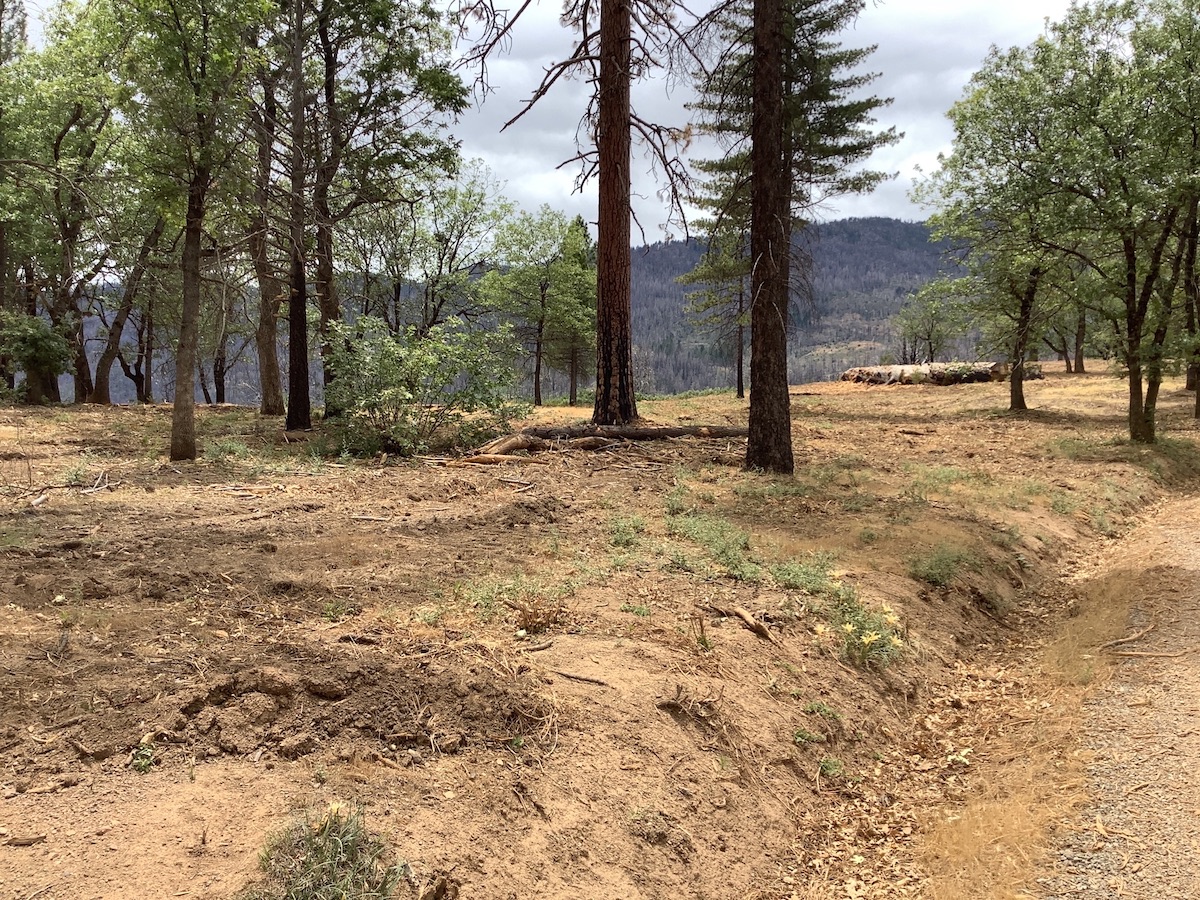
U.S. Forest Service makes progress on 795 acres of fuels reduction on the Mendocino National Forest
U.S. Forest Service makes progress on 795 acres of fuels reduction on the Mendocino National Forest
U.S. Forest Service (USFS) land managers are making progress on 445 acres of fuels reduction on the Grindstone Ranger District and about 350 acres on the Upper Lake Ranger District.
Fuels reduction projects like these are examples of the kind of work and partnerships that the Mendocino National Forest will be building on to meet the USFS ambitious plan to treat millions of acres over the next 10 years.
The goal of fuels treatments is to reduce fuel loadings. When fuel loads are low, wildfire burns at a lower intensity. In the event of a wildfire, areas treated for fuels give firefighters a safer place to build lines to contain a wildfire.
RESOURCES
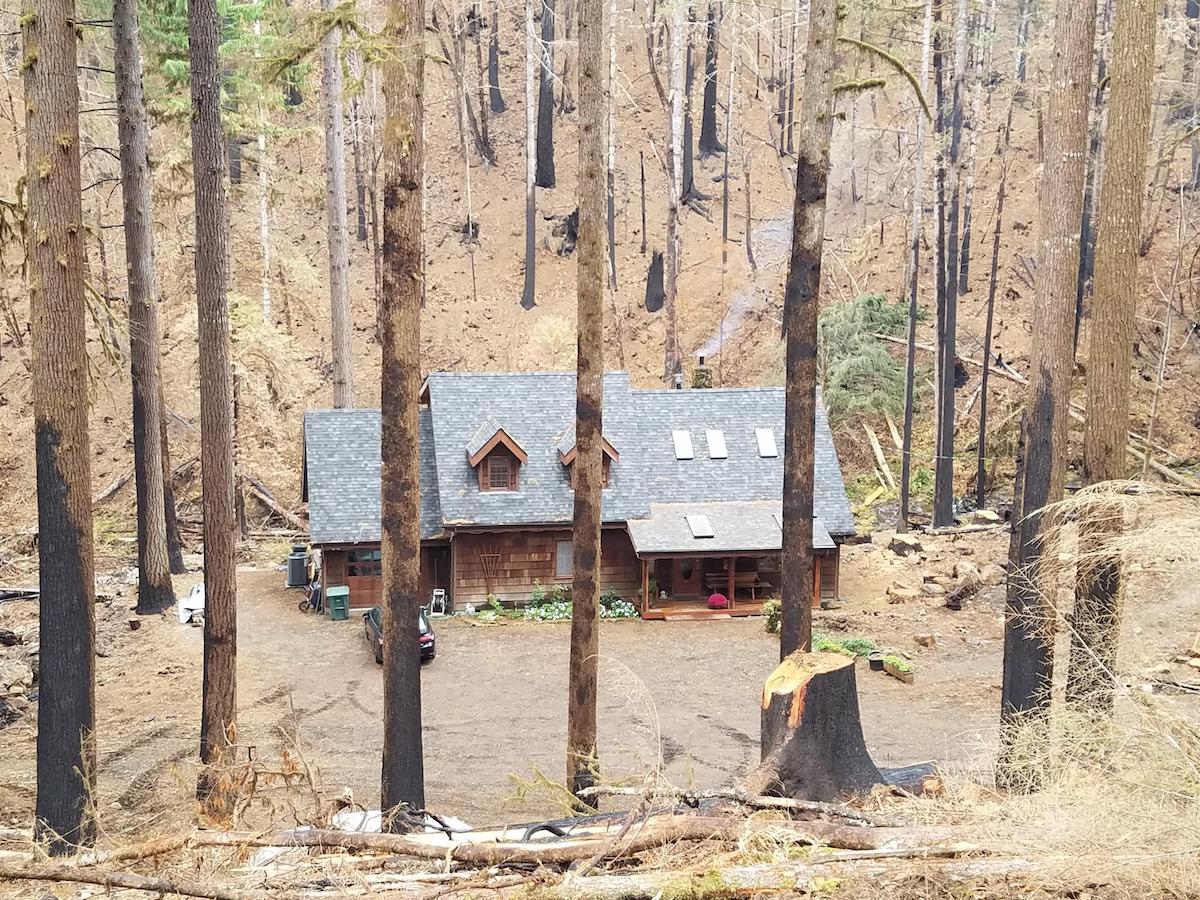
Preparing to Apply for Community Wildfire Defense Grants
Preparing to Apply for Community Wildfire Defense Grants
The Wildfire and Forest Resilience Action Plan calls for increasing assistance programs and partnerships to help local communities reduce risk, improve preparedness and foster resilience.
The Fire Adapted Communities Network and Headwaters Economics have created a primer designed to help communities navigate the U.S. Forest Service’s recently launched a Community Wildfire Defense Grant (CWDG) Program.
RESOURCES
California Fire Safe Council: Community Wildfire Protection Plans
USFS Wildfire Defense Grants
Forest Sector Workforce In The News
Forest Sector Workforce In The News
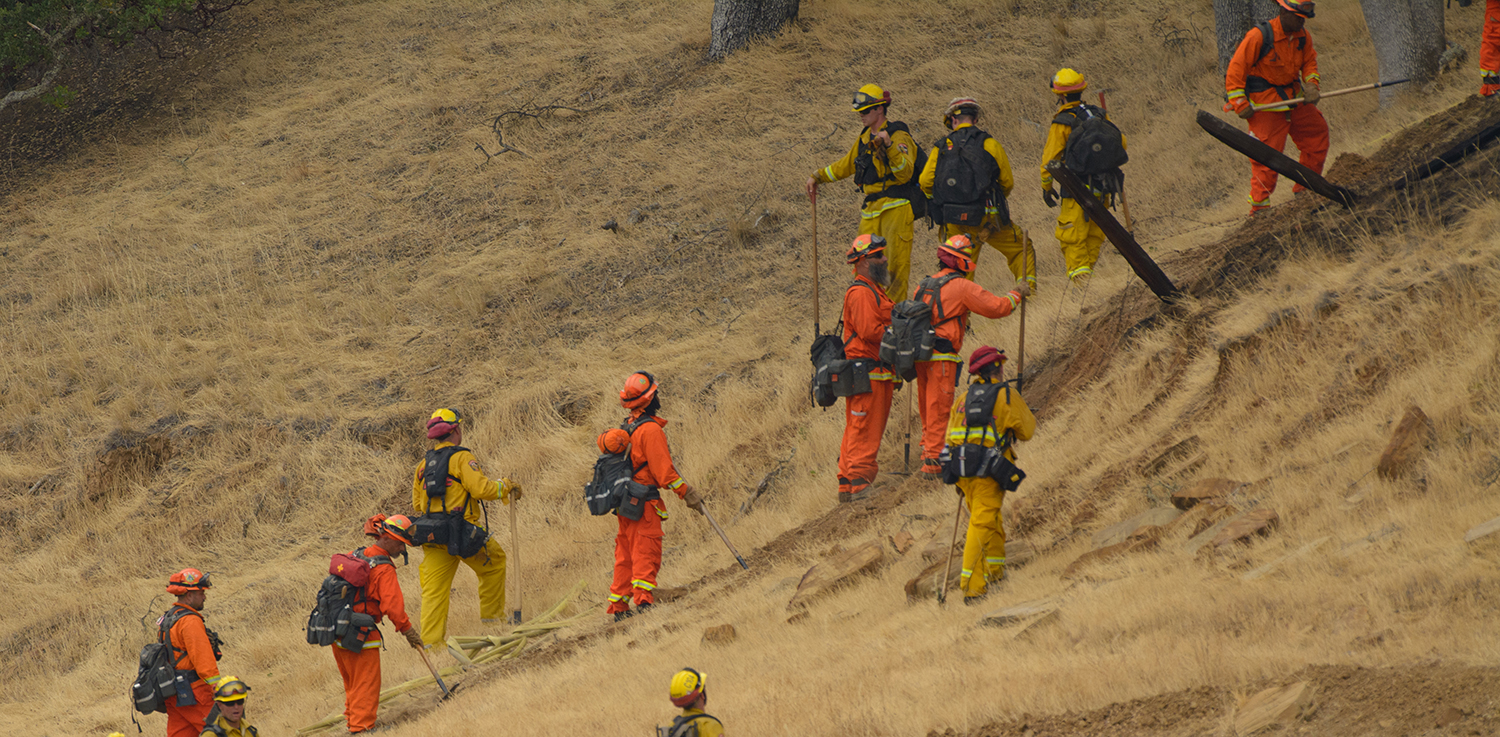
Local Community Colleges are offering opportunities to grow and strengthen California’s Forest Sector Workforce.
Shasta College — received 3.3M for expansion of Forest Health Programs
Feather River College — is now offering employees an annual $1,000 incentive to any employee that holds a Wildland Firefighter Certification
The Tahoe Fund — is awarding a scholarship to every student in Lake Tahoe Community College’s new Forestry Program
RESOURCES
August 9th, 2022: Shasta College
August 9th, 2022: The Tahoe Fund
