
Governor Newsom Extends Key Provision to Continue Fast-tracking Wildfire Projects
Governor Newsom Extends Key Provision to Continue Fast-tracking Wildfire Projects
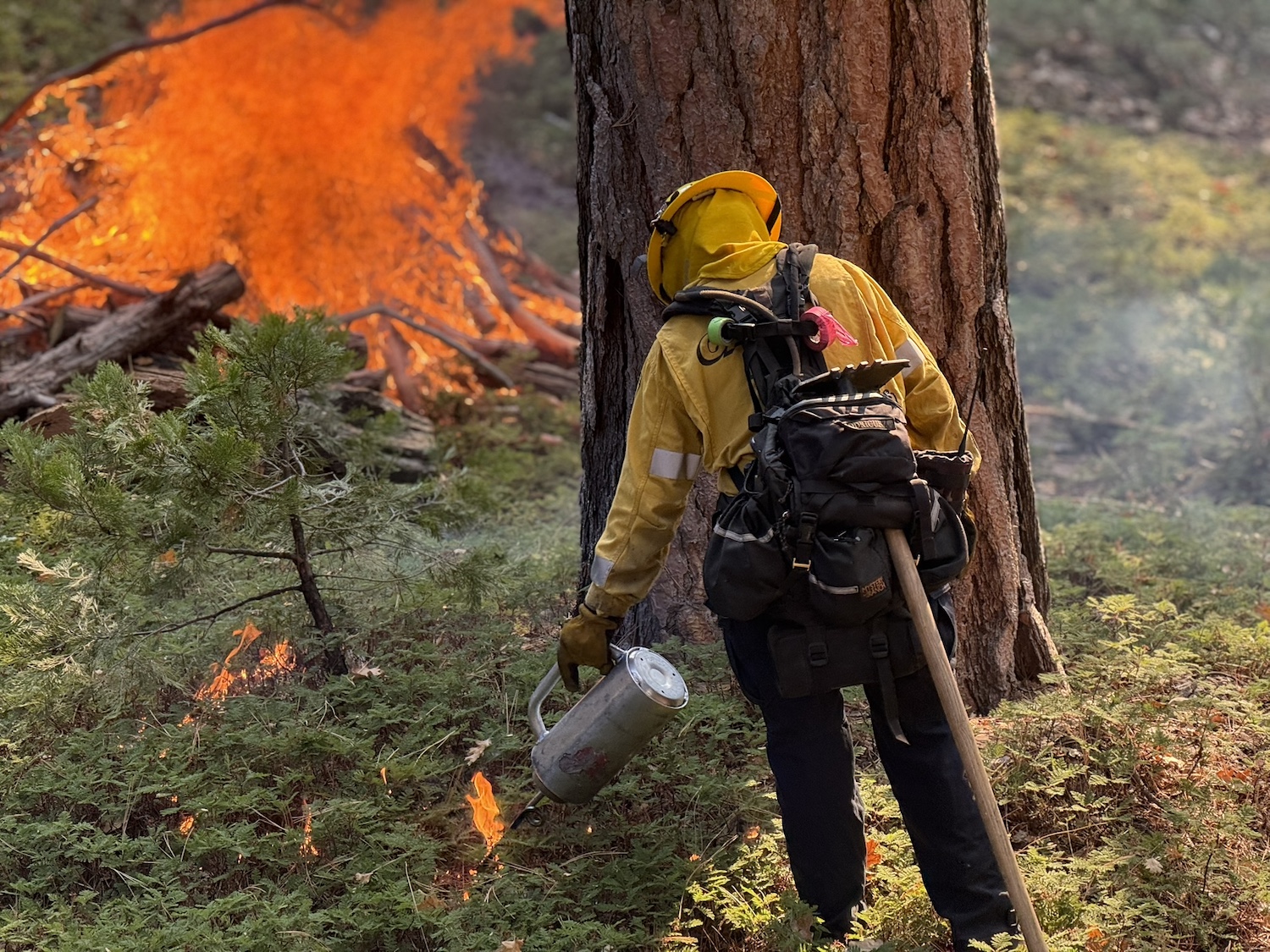
December 31, 2025 – Governor Newsom announced the extension of a key provision of the March 2025 Emergency Proclamation on wildfire that will enable California to continue moving faster than ever to reduce catastrophic wildfire risk through a streamlined permitting process for wildfire prevention projects. Previously, qualifying projects had to be “initiated” in the calendar year 2025. Now, eligible projects can be initiated through May 1, 2026. Through this fast-track process, projects are now being approved in as little as 30 days, saving a year or more of review time for more complex projects. To date, nearly 240 projects covering more than 40,000 acres have been approved statewide and half are already underway or have been completed.

CAL FIRE Awards Over $62 Million in Wildfire Prevention Grants
CAL FIRE Awards Over $62 Million in Wildfire Prevention Grants
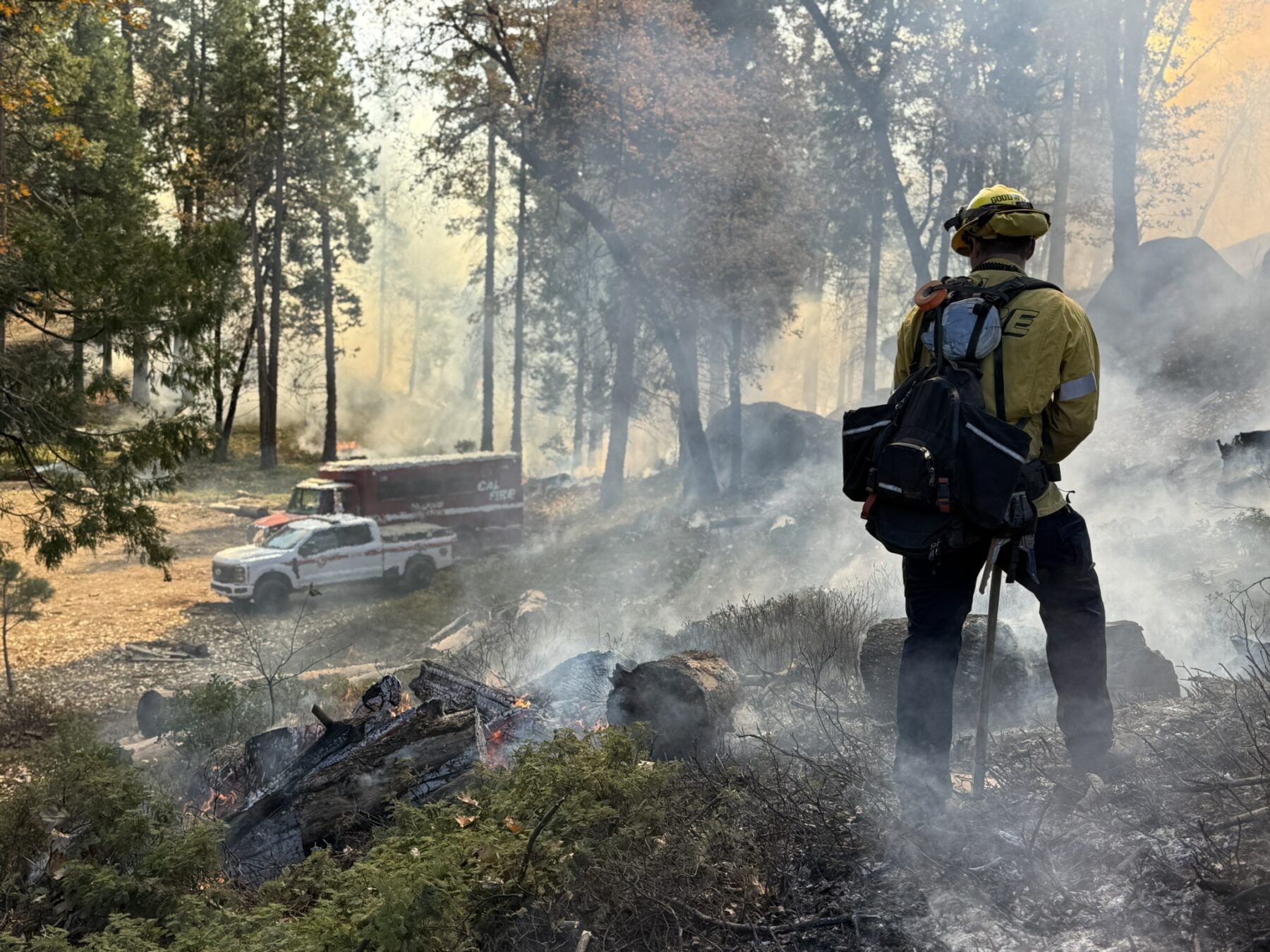
December 12, 2025 – CAL FIRE announced it will award nearly $62.6 million in funding for 84 local wildfire prevention projects across the state, including 41 projects in low-income and disadvantaged communities. CAL FIRE’s Wildfire Prevention Grants enable local organizations like fire safe councils to implement activities that reduce wildfire risk to communities. Funded activities include hazardous fuel reduction, wildfire prevention planning, and wildfire prevention education. These projects reach all corners of the state, including:
- Siskiyou County: The Shasta Valley Resource Conservation District will implement wildfire prevention efforts on the McCloud Fuels Management and Forest Stewardship Project, which proposes 375 acres of treatment including 200 acres of mastication and thinning and 175 acres of ridgeline shaded fuel break.
- Riverside County: the Twenty-Nine Palms Band of Mission Indians will reduce hazardous fuels (saltcedar) on 223 acres of tribal lands. The project will reduce dust and wildfire fuel loads by removing saltcedar using root plowing and chipping.
- Los Angeles County: The San Gabriel Valley Council of Governments is one of many organizations receiving funding towards wildfire prevention efforts. Their project will work towards developing a Regional Wildfire Protection Plan that will help to protect over 31 cities and communities, 22 of which are identified as “Communities at Risk.”
These projects all meet the goals and objectives of California’s Wildfire and Forest Resilience Action Plan, as well as the Strategic Fire Plan for California. Over the last six years, CAL FIRE has awarded more than $566 million in its Wildfire Prevention Grants Program to over 575 projects across the state. A full list of the 2025/2026 Wildfire Prevention Grant recipients is available here.
Governor Newsom Signs Executive Order to Expand Beneficial Fire Use
Governor Newsom Signs Executive Order to Expand Beneficial Fire Use
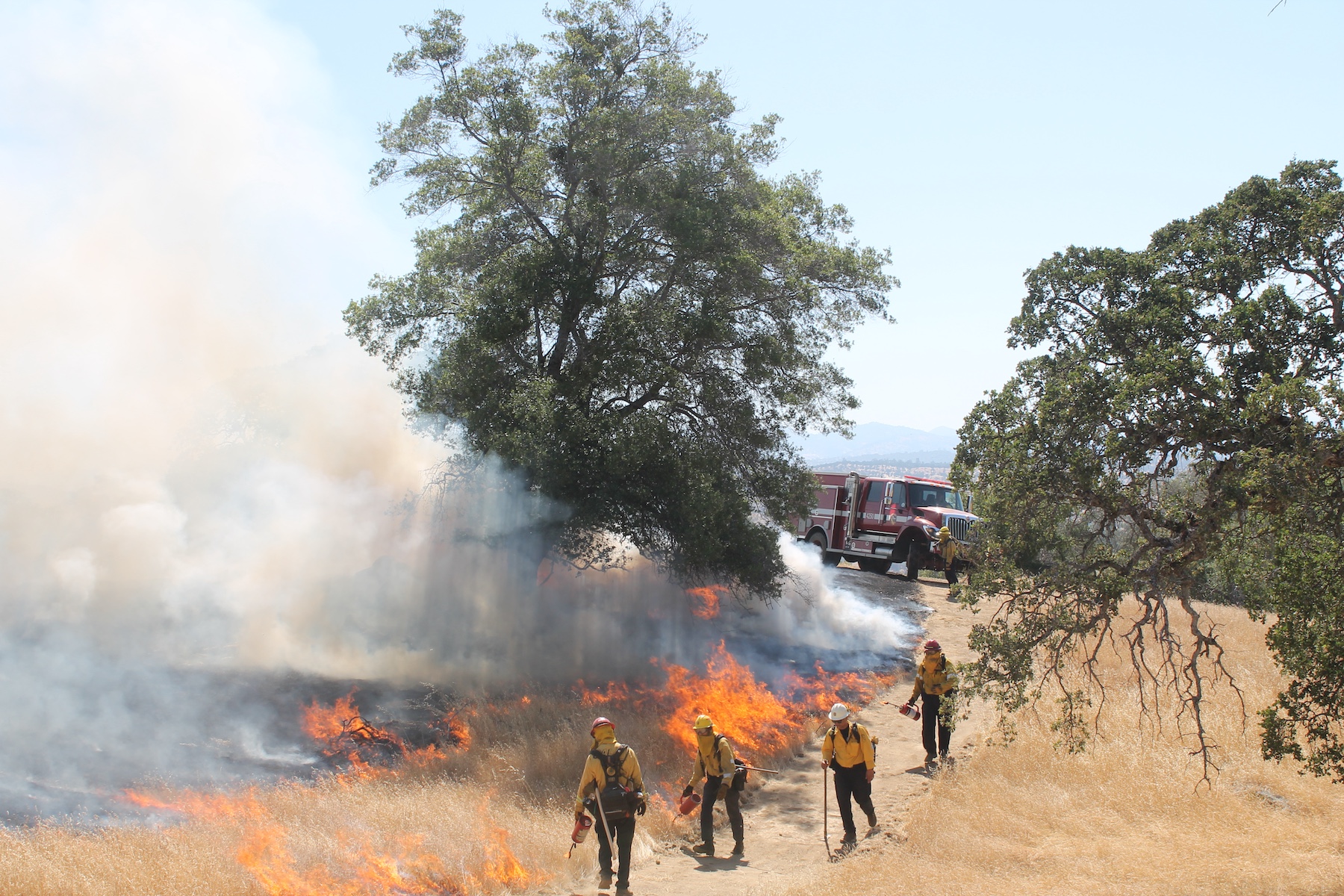
October 29, 2025 – Governor Newsom signed an executive order directing state agencies to reduce red tape and expand tools to safely deploy beneficial fire projects. The order directs a suite of actions to fast-track critical work in the coming months with a key focus on directing state agencies to provide immediate on-the-ground support to local governments and fire practitioners to maximize use of beneficial fire, helping ensure that California does not miss the critical fall weather window to conduct prescribed and cultural burns. The order supports collaborative efforts to update beneficial fire permitting, address air quality concerns associated with smoke and enable resource conservation districts and other entities to carry out beneficial fire projects.
The executive order helps strengthen and build on California’s wildfire prevention strategy by:
- Accelerating funding and projects: Distributes funding to resource conservation districts and other eligible government agencies in advance of beneficial fire work, as well as creates more simplified grant funding processes.
- Expanding local participation: Removes policies and regulatory roadblocks that would make it more difficult for local agencies to engage in this work, including suspending the state law that prohibits resource conservation districts and volunteer fire departments from participating in the Prescribed Fire Liability Claims Fund Pilot Program.
- Working with tribal communities: Directs state agencies to continue prioritizing tribal consultation, access, collaboration, and co-management—so we can work together to expand and support cultural burning and other forms of tribal stewardship.
- Increasing education and data: Directs the California Air Resources Board (CARB) to create new modeling and related technologies, such as the Prescribed Fire Information Reporting System (PFIRS) and make this technology available to support air districts’ efforts to promote fast, efficient and low-cost permitting, and expands training opportunities for beneficial fire practitioners.
- Mitigating air quality risks: Increases collaboration and creates new best practices that provide beneficial fire practitioners consistent permitting and smoke management plan guidance while protecting public health and communicating potential smoke impacts to the public and create guidance for local communities.
Building on nation-leading progress
The executive order builds on unprecedented progress already made by state, federal, tribal, local, and nonprofit partners to increase the pace and scale of beneficial fire implementation across the state. Key advancements include:
- The Task Force issued California’s Strategic Plan for Expanding the Use of Beneficial Fire (2022), a comprehensive roadmap to coordinate the efforts of state, federal, and tribal partners to treat up to 400,000 acres with beneficial fire annually by 2025.
- Prescribed fire treatments in California nearly doubled between 2021 and 2023. Federal, state, and local agencies completed 260,000 acres of prescribed fire treatments in 2023.
- In May, CAL FIRE, for the first time ever, met and exceeded its 50,000-acre goal for beneficial fire as outlined as a goal within the California Strategic Plan for Expanding the Use of Beneficial Fire. This was accomplished even with the Park Fire in late 2024 and the January 2025 fires in Los Angeles.
- As of June, CARB, in close coordination with the California Air Pollution Control Officers Association, has held over 20 prescribed fire training sessions for stakeholders to discuss smoke management, public information, and tools and technology related to prescribed fire.
- In 2021, CARB released California Smoke Spotter — a critical tool to inform the public of air quality impacts from wildfire and prescribed fire smoke.
- The Governor and Legislature established a first-in-the-nation Prescribed Fire Liability Claims Fund in 2022 backed with $20 million in state funding, to accelerate beneficial fire on private lands by covering losses in the rare instance that a prescribed or cultural burn escapes control.
- In September 2024, Governor Newsom signed SB 310, which reduces barriers for California Native American tribes to conduct cultural burns in their ancestral territories. The Karuk Tribe and the California Natural Resources Agency (CNRA) entered into the landmark SB 310 Cultural Fire agreement in February 2025. Out of this effort, the Tribe and CNRA have developed a template agreement for other tribes to utilize educational materials to support government-to-government collaboration in advancing cultural fire.
- In September 2024, Governor Newsom signed SB 1101, which streamlines CAL FIRE’s contracting and procurement process to support beneficial fire.
- In August 2023, the Governor’s Wildfire and Task Force launched an Interagency Treatment Dashboard that provides transparency on the location of completed beneficial fire projects.
- CAL FIRE’s Prescribed Fire Monitoring Program released the first version of a manual outlining field monitoring protocols in 2023 to assist land managers with unit selection, data collection, tools and technologies, data storage, and analysis procedures.
U.S. EPA Issues Policy Guidance to Remove Barriers for Prescribed Fires
U.S. EPA Issues Policy Guidance to Remove Barriers for Prescribed Fires
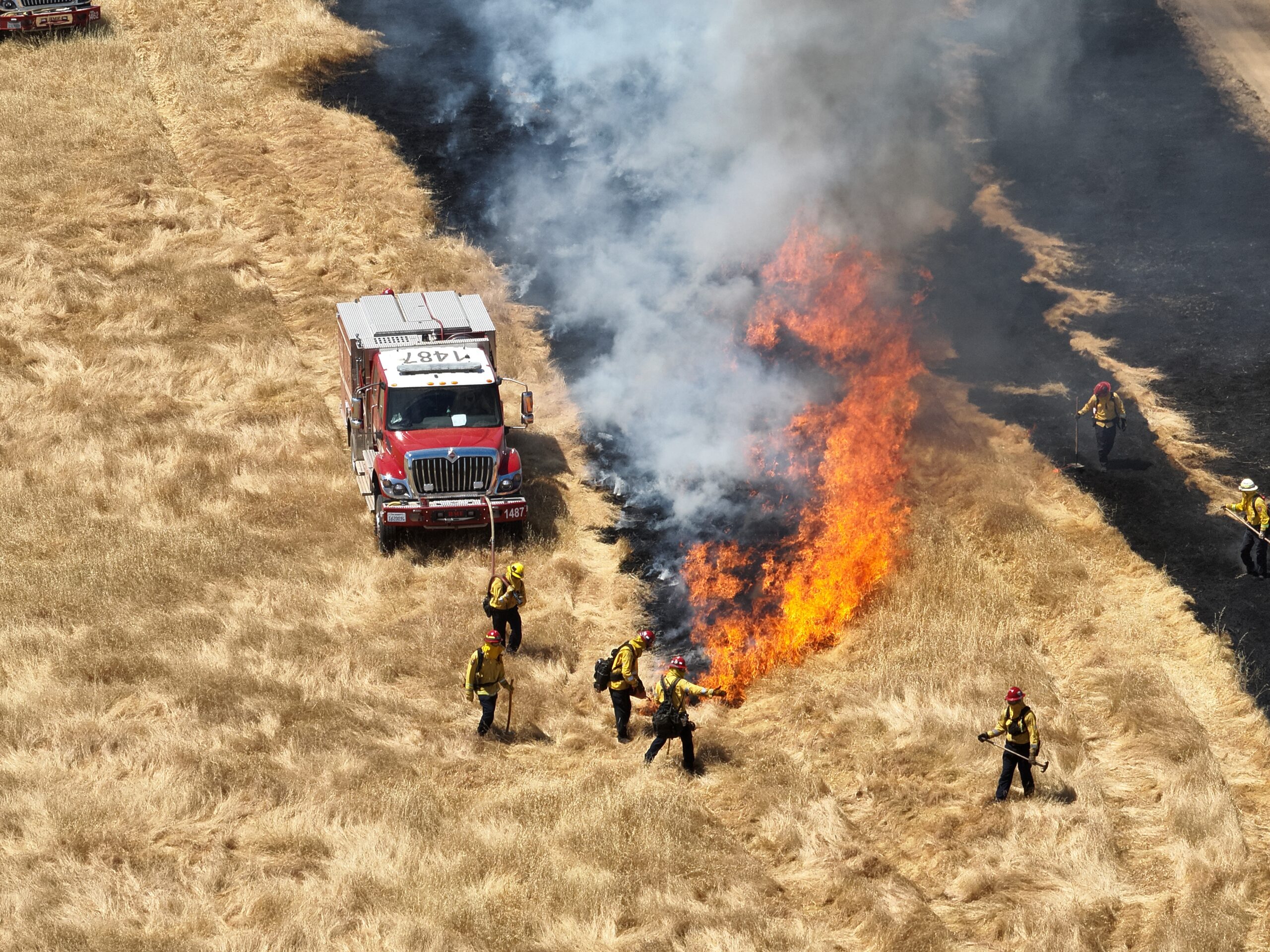
October 16, 2025 – The U.S. Environmental Protection Agency (EPA) issued policy guidance directing regional offices to work with local, state, tribal, and federal partners to remove barriers in State Implementation Plans (SIPs) that discourage prescribed fires. Under the Clean Air Act (CAA) and EPA’s Exceptional Events Rule, prescribed fires are eligible to be treated as an exceptional event, meaning air quality data resulting from these strategic fires does not need to be taken into account when determining if an area meets National Ambient Air Quality Standards (NAAQS). Therefore, the EPA will not require inclusion of air quality regulatory provisions in SIPs that limit the strategic use of prescribed fires.
The memorandum directs EPA’s ten regional offices to engage with local, state, tribal, and federal partners to develop approaches consistent with the CAA that will not limit the use of wildland prescribed fires. EPA regional offices must also collaborate with state air agencies to evaluate provisions already incorporated into SIPs, and those proposed for inclusion into SIPs, to ensure they are consistent with the CAA and do not limit the strategic application of wildland prescribed fires. Finally, to enable more effective coordination and collaboration on smoke and air quality management, EPA regional offices will work to promote recordkeeping and smoke management practices associated with prescribed fire activities.
CAL FIRE Awards Nearly $10 Million to Support Tribal Wildfire Resilience and Boost Forestry Workforce
CAL FIRE Awards Nearly $10 Million to Support Tribal Wildfire Resilience and Boost Forestry Workforce
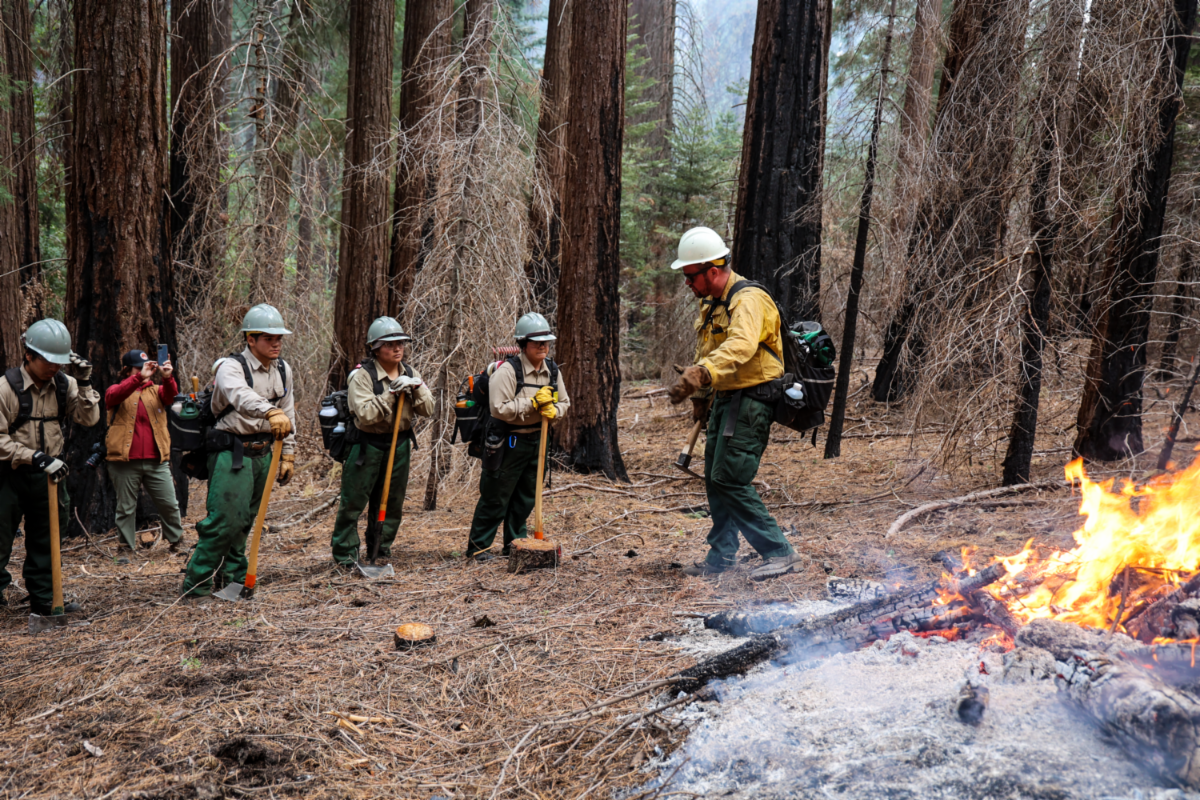
August 1, 2025 – CAL FIRE awarded nearly $4.7 million through its Tribal Wildfire Resilience Program to support six tribes and tribal non-profits in implementing projects on tribal, federal, and private lands. These grants focus on cultural fire, workforce training, fuels reduction, reforestation, land stewardship, and other efforts that promote wildfire resilience and safety for tribal communities. The funding also supports the use and promotion of Traditional Ecological Knowledge to help California Native American tribes manage their ancestral lands.
August 18, 2025 – CAL FIRE announced $5 million in grant funding through its Business and Workforce Development Grant program to eight projects that will create jobs, train future forestry workers, and help small businesses expand their role in protecting California’s forests and communities from wildfire. Together, these eight projects will train more than 300 people, create or retain dozens of jobs, and increase the capacity to treat thousands of acres per year.
Senator Padilla and Western Senators Introduce Fix Our Forests Act to Reduce Wildfire Risk
Senator Padilla and Western Senators Introduce Bipartisan Fix Our Forests Act to Reduce Wildfire Risk
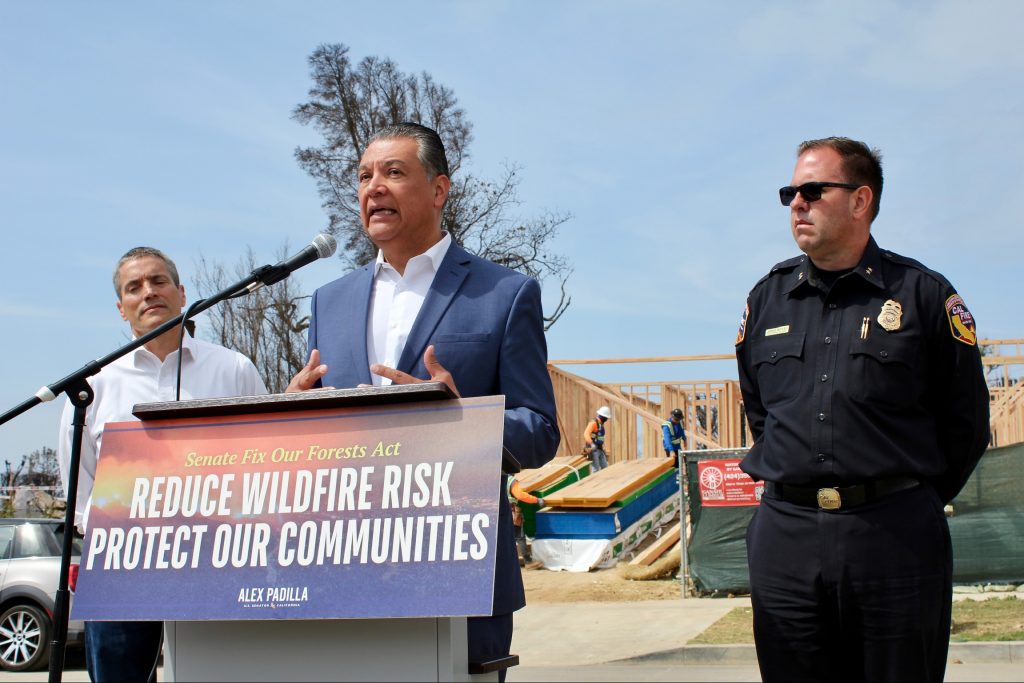
April 11, 2025 – U.S. Senator Alex Padilla (D-Calif.), co-chair of the bipartisan Senate Wildfire Caucus and Senators John Curtis (R-Utah), John Hickenlooper (D-Colo.), and Tim Sheehy (R-Mont.) introduced the Fix Our Forests Act. This bipartisan legislation aims to combat catastrophic wildfires, restore forest ecosystems, and make federal forest management more efficient and responsive. The bill reflects months of bipartisan negotiations to find consensus on how to best accelerate and improve forest management practices, streamline environmental reviews, and strengthen partnerships between federal agencies, states, tribes, and private stakeholders. Key provisions specific to California include:
-
- Establishing a Wildfire Intelligence Center to serve as a national hub for wildfire intelligence, prediction, coordination, and response. This joint office would be comprised of the Departments of Agriculture, the Interior, and Commerce that is modeled after the National Weather Service. The center would modernize and unify wildfire management by leveraging real-time data, science, and interagency collaboration to better prepare for wildfires, assist with decision-support during a crisis, inform recovery, and streamline federal wildfire response.
-
- Establishing an interagency program to coordinate federal wildfire risk reduction efforts across 10 federal agencies through research, development of fire-resistant construction standards, hazard mitigation, and public-private partnerships. The program would provide a uniform application for multiple wildfire-related grants, streamline technical assistance, and mandate coordination with non-federal stakeholders.
-
- Increasing the use of prescribed fire on both federal and non-federal lands by prioritizing large, cross-boundary projects near wildland-urban interfaces, Tribal lands, high-risk fire zones, or critical habitats. It also strengthens the prescribed fire workforce by streamlining supervisory certification requirements and enhancing interoperability between federal and non-federal practitioners.
-
- Allowing electric utilities with permits or easements on National Forest System or BLM land to cut and remove vegetation near power lines without requiring a separate timber sale (if done in compliance with applicable plans and environmental laws). If the vegetation is sold, proceeds must be returned to the federal government.
-
- Streamlining land management projects by authorizing emergency authorities to increase the pace and scale of wildfire risk reduction projects on federal land. It includes appropriate guardrails to avoid abuse of these authorities and prohibits using emergency authorities for projects not aimed primarily at reducing wildfire risk or protecting communities. This would Increase the acreage limit of streamlined projects for wildfire resilience projects, fuel breaks, and insect and disease projects from 3,000 acres to 10,000 acres.
California Signs Cultural Burning Agreement with Karuk Tribe
California Advances Wildfire Resilience and Honors Tribal Sovereignty Through Cultural Burning Agreement with the Karuk Tribe
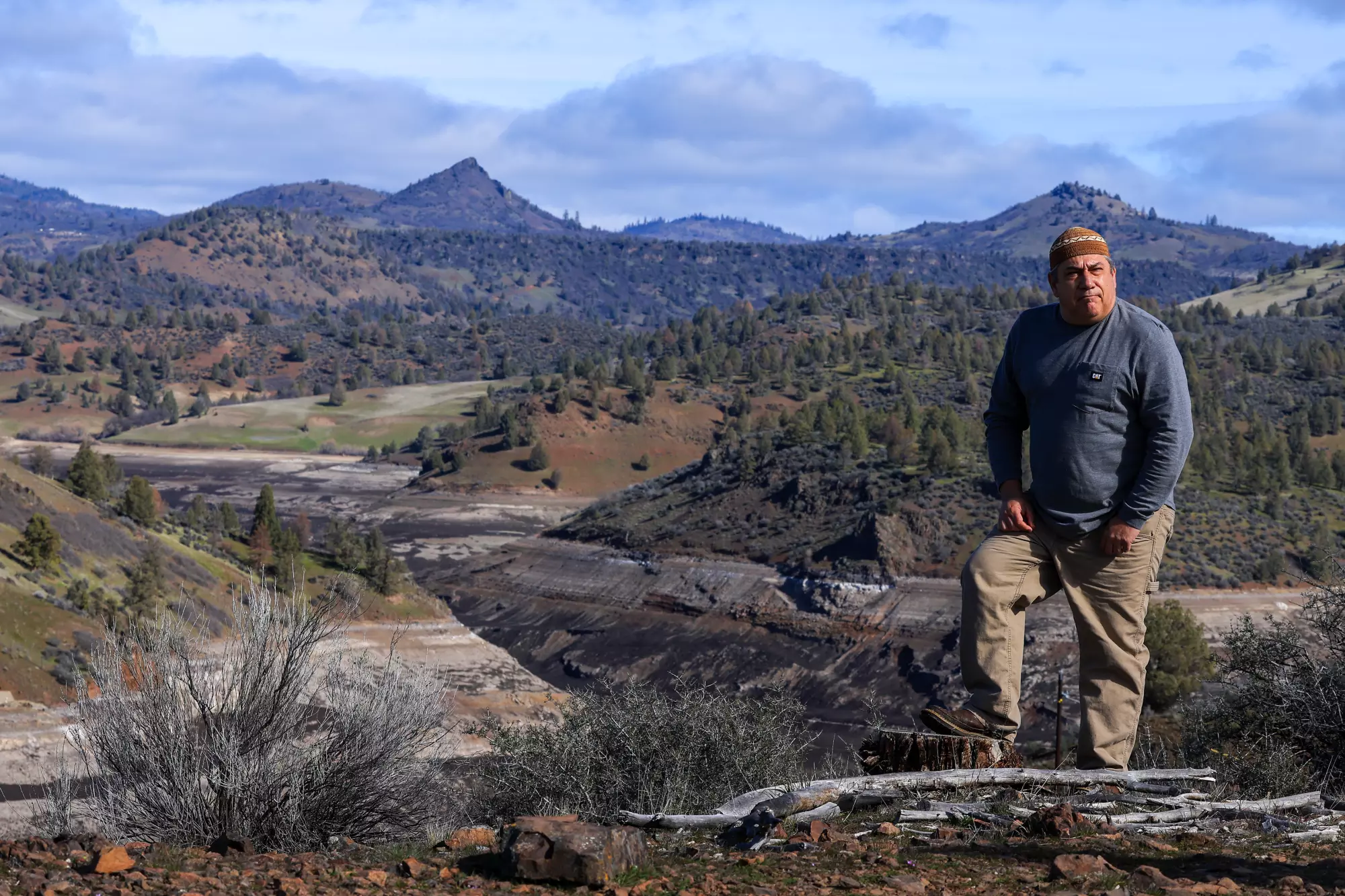
March 7, 2025 – The Karuk Tribe and the California Natural Resources Agency (CNRA) have entered into a historic agreement as part of CNRA and CalEPA’s announcement that SB 310 is now in effect. This legislation and agreement acknowledges tribal sovereignty and addresses historical injustices while contributing to the mitigation of catastrophic wildfire by enabling CNRA and local air districts to enter into agreements with federally recognized California Native American tribes to support them in conducting cultural burns in their ancestral territories. For more information, read the FAQ on SB 310.
CNRA will be hosting a webinar about the landmark cultural burn agreement with the Karuk Tribe and SB 310 on April 1, 2025 at 1pm.
Senator Padilla Introduces Three Bipartisan Bills to Bolster Fire Resilience and Proactive Mitigation Efforts
Senator Padilla Introduces Three Bipartisan Bills to Bolster Fire Resilience and Proactive Mitigation Efforts
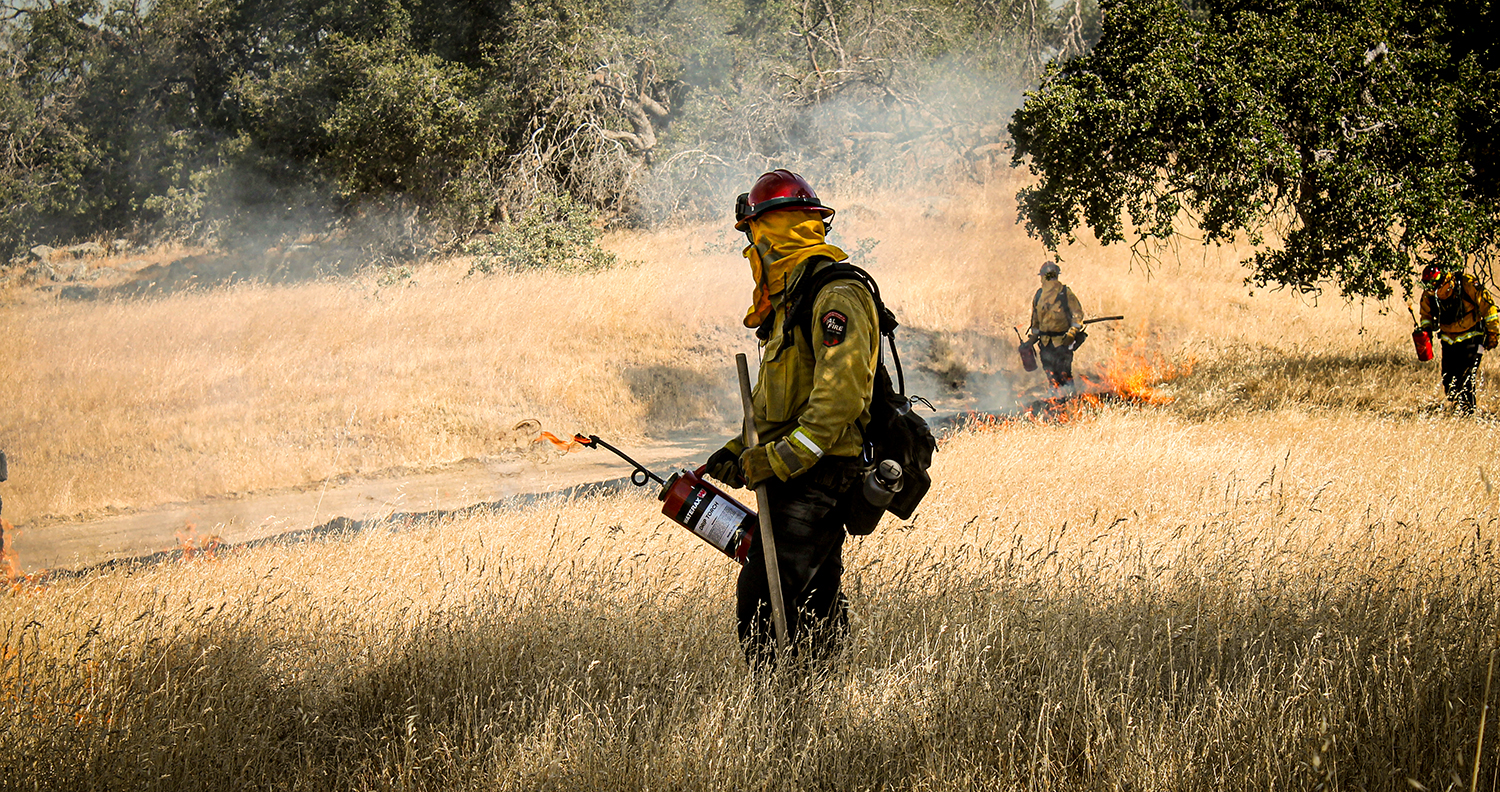
On February 3, U.S. Senator Alex Padilla (D-Calif.) introduced a package of three bipartisan bills to bolster fire resilience and proactive mitigation efforts. The package includes:
• Wildfire Emergency Act— Would reduce the threat of destructive wildfires through forest restoration, firefighter training, energy resilience retrofits, and wildfire-hardening home modifications in low-income communities. Specifically, the legislation would:
-
-
- provide the U.S. Forest Service (USFS) with a pilot authority to leverage private financing to increase the pace and scale of forest restoration projects;
- authorize funding for programs to expand the forest conservation and wildland firefighting workforce;
- establish an energy resilience program at the U.S. Department of Energy (DOE) to ensure that critical facilities remain active during wildfire disruptions, authorizing up to $100 million for necessary retrofits;
- expand an existing DOE weatherization grant program to provide up to $13,000 to low-income households to make wildfire-hardening retrofits;
- expedite the placement of wildfire detection equipment on the ground, such as sensors or cameras, as well as the use of space-based observation;
- establish a prescribed fire-training center in the West and authorize grants to support training the next generation of foresters and firefighters; and
- authorize up to $50 million to support community grants of up to $50,000 for locally focused land stewardship and conservation.
-
• Fire-Safe Electrical Corridors Act— Would allow the USFS to approve the removal of hazardous trees near power lines on federal lands without requiring a timber sale, thereby easing the removal of hazardous trees, and reducing the risk of catastrophic wildfire. This would allow the USFS to provide standing permission for electrical utilities to cut and remove hazardous trees near power lines within existing rights-of-way without requiring a timber sale. Utilities would be required to return any proceeds to the USFS.
• Disaster Mitigation and Tax Parity Act— Would further incentivize homeowners to proactively protect their homes from disasters by providing a tax exemption on payments from state-based programs. Specifically, the bill excludes qualified catastrophe mitigation payments made under a state-based catastrophe loss mitigation program from gross income calculations.
Survey Open to Collect Input from Landowners on Prescribed Burning
Survey Open to Collect Input from Landowners on Prescribed Burning
In collaboration with the University of California Cooperative Extension, Pennsylvania State University is conducting a survey to better understand private landowner perspectives and potential intentions to use planned burning in California. The objectives of this project are to:
•Evaluate private forest landowners’ attitudes towards prescribed fire in California.
•Identify barriers and opportunities for prescribed fire adoption in the state.
•Develop tailored support strategies for California landowners.
•Assess the influence of policy and environmental factors on prescribed fire use in California.
See Highlights From a Busy Year for the Task Force
ADVANCEMENTS IN MEASURING PROGRESS
Interagency Treatment Dashboard Shows Progress Toward Resilience
The updated Dashboard shows three years of data with treatments on 700,000 acres in 2023 and prescribed fire acres more than doubling between 2021 and 2023.
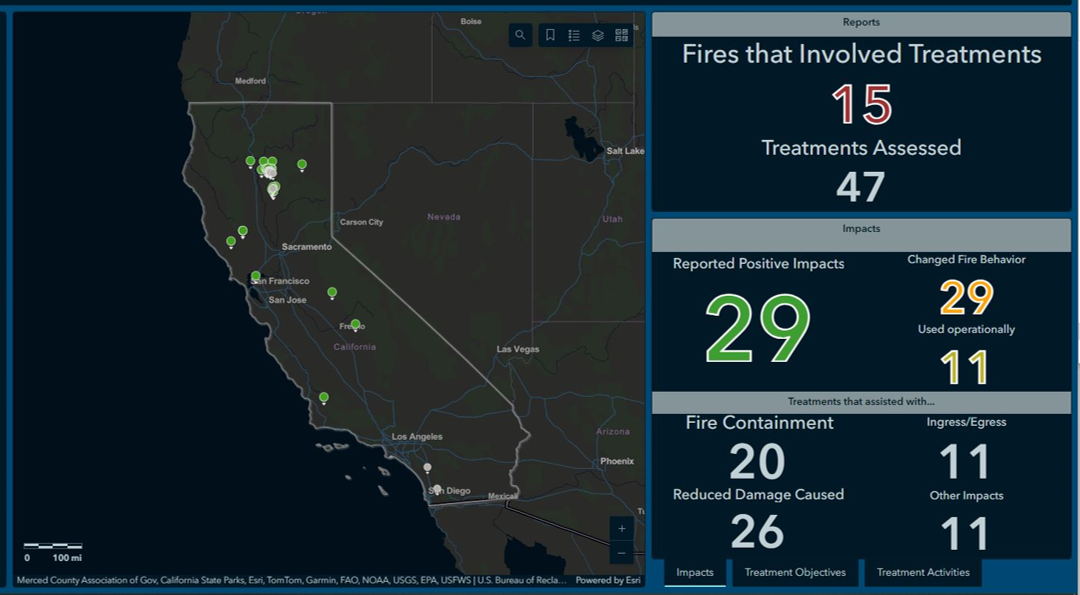
New CAL FIRE Dashboard Shows Effectiveness of Fuels Treatments
The dashboard shows on-the-ground projects protecting communities and landscapes from recent wildfires.
New Webpage Brings Together California’s Wildfire and Landscape Resilience Monitoring and Assessment Programs
Centralized resource provides detailed information on California’s various monitoring and assessment programs to understand the complementary relationship between these efforts.
ABOUT THE TASK FORCE
The California Wildfire & Forest Resilience Task Force was created by the Office of Governor Gavin Newsom to directly confront the near perfect storm of climatic and human-caused conditions that have brought the threat of devastating wildfire and its far-reaching effects to the doorstep of nearly everyone in our state, and beyond.
The Task Force is a collaborative effort to align the activities of federal, state, local, public, private, and tribal organizations to support programs and projects tailored to the priorities and risks of each region and bring the best available science to forest management and community protection efforts.
The critical work of the Task Force effects all Californians, and Task Force meetings offer an ideal opportunity for members of the press to hear directly from those involved in the comprehensive, coordinated efforts to reduce the risk of catastrophic wildfires and create safe communities while ensuring healthier, more sustainable natural environments.
MORE 2024 HIGHLIGHTS
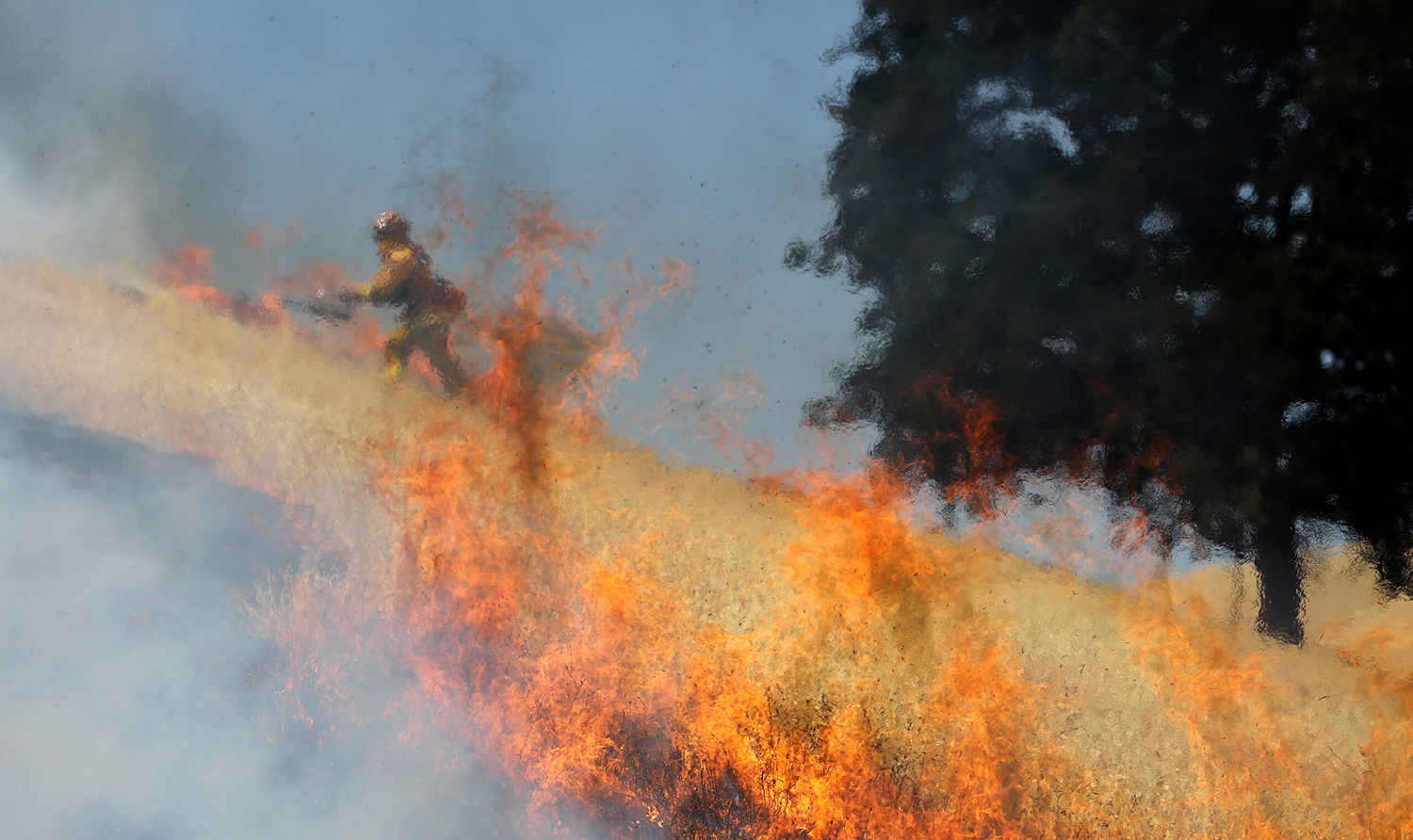
California Passes Proposition 4 – Providing $1.5 Billion for Wildfire Resilience
The approval of Prop 4 is a major advancement for California to reach goals set in the Wildfire and Forest Resilience Action Plan.
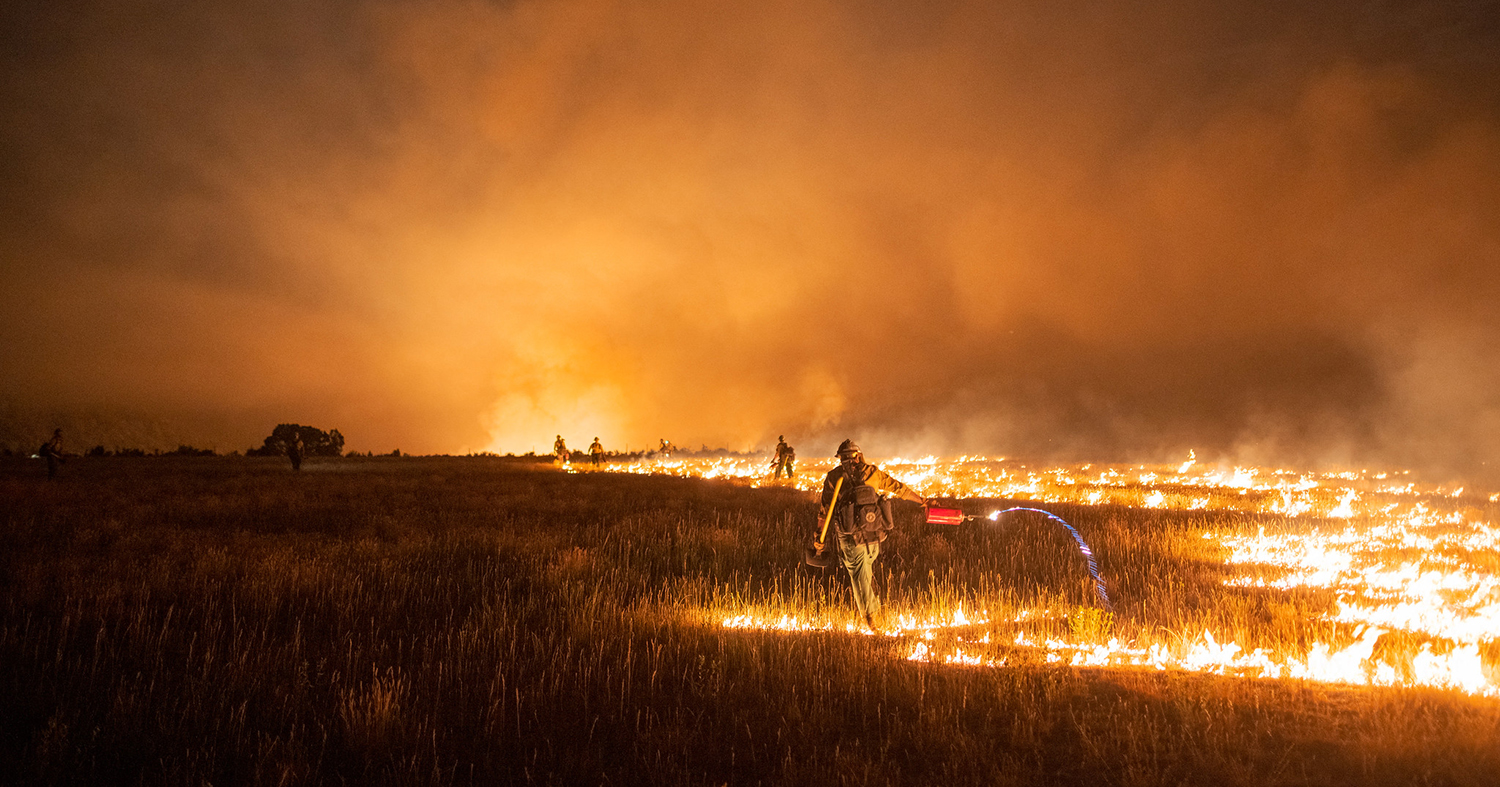
U.S. Forest Service Completes Record Setting Year for Prescribed Fire
The U.S. Forest Service successfully treated over 72,000 acres with prescribed fire in California during the 2024 fiscal year.

Leading Researchers Share Science Synthesis to Drive California’s Actions to Improve Wildfire Resilience
At the December 13 meeting in Sacramento, a panel of scientists presented new findings to guide California’s efforts to respond to increasing wildfire risks in a changing climate.
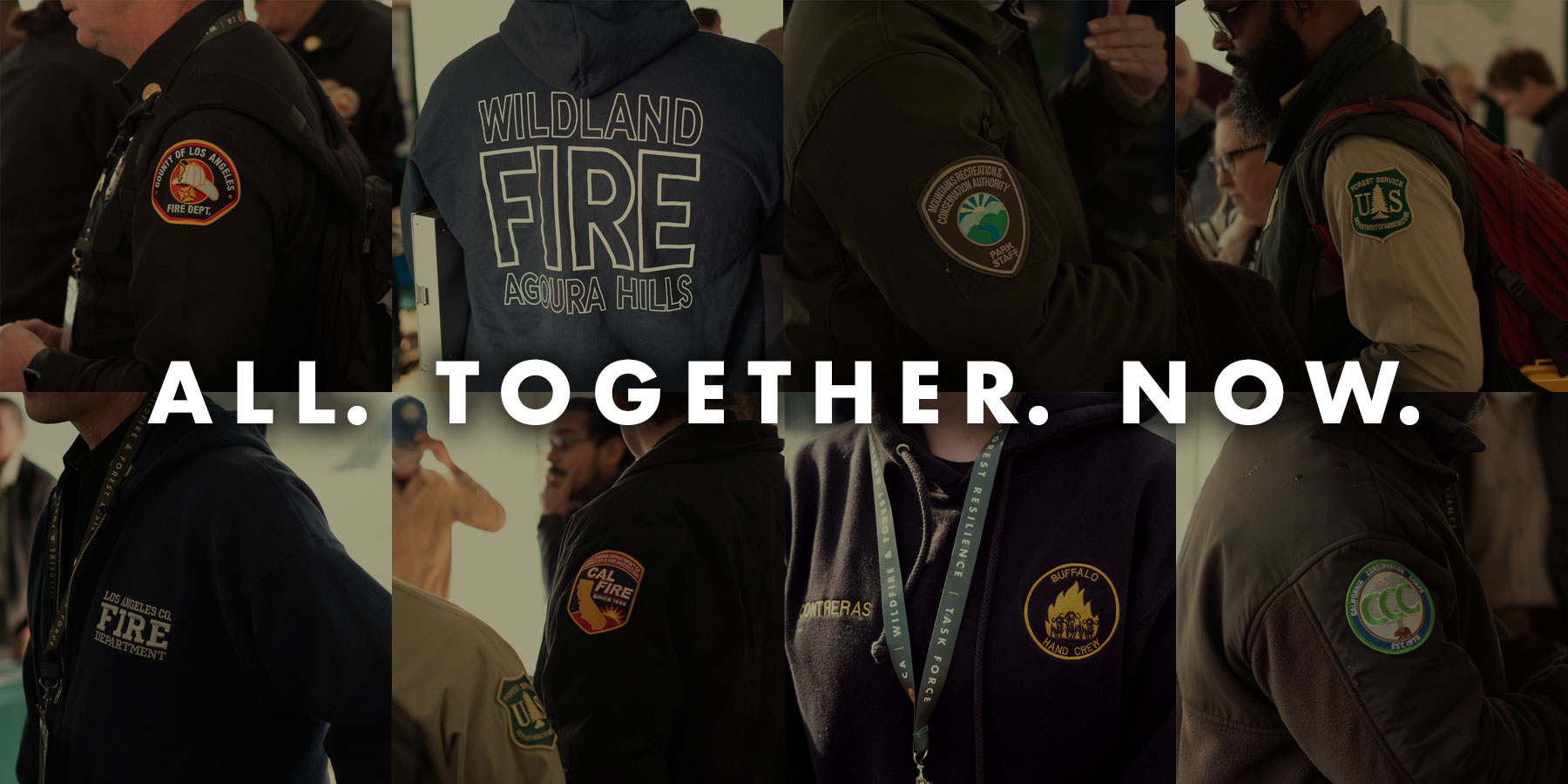
Regional Meetings in San Diego and Lake Tahoe
Two regional meeting were held in 2024, along with two more in Sacramento. Hundreds of people came away from the meetings having learned new information, and having made new connections, and inspired to make positive change.
Join Us at our Upcoming Meetings
• March 27 & 28: Marin County
• June 6: Sacramento
• September 4 & 5: TBD
• December 12: Sacramento
SPREAD THE WORD IN 2025
Promote the Task Force in Your Communications
Task Force communications provides an important source of vital information that covers the combined effort of all organizations involved in landscape resilience and the prevention of wildfires in California. Please follow and share Task Force communications when you can.
Share the Task Force E-Newsletter
Do you know someone who will appreciate getting the latest progress from the Task Force? Click below to help others stay in the know.
