


CAL FIRE Invests $15M in California’s Wood Products Infrastructure
CAL FIRE Invests $15M in California’s Wood Products Infrastructure
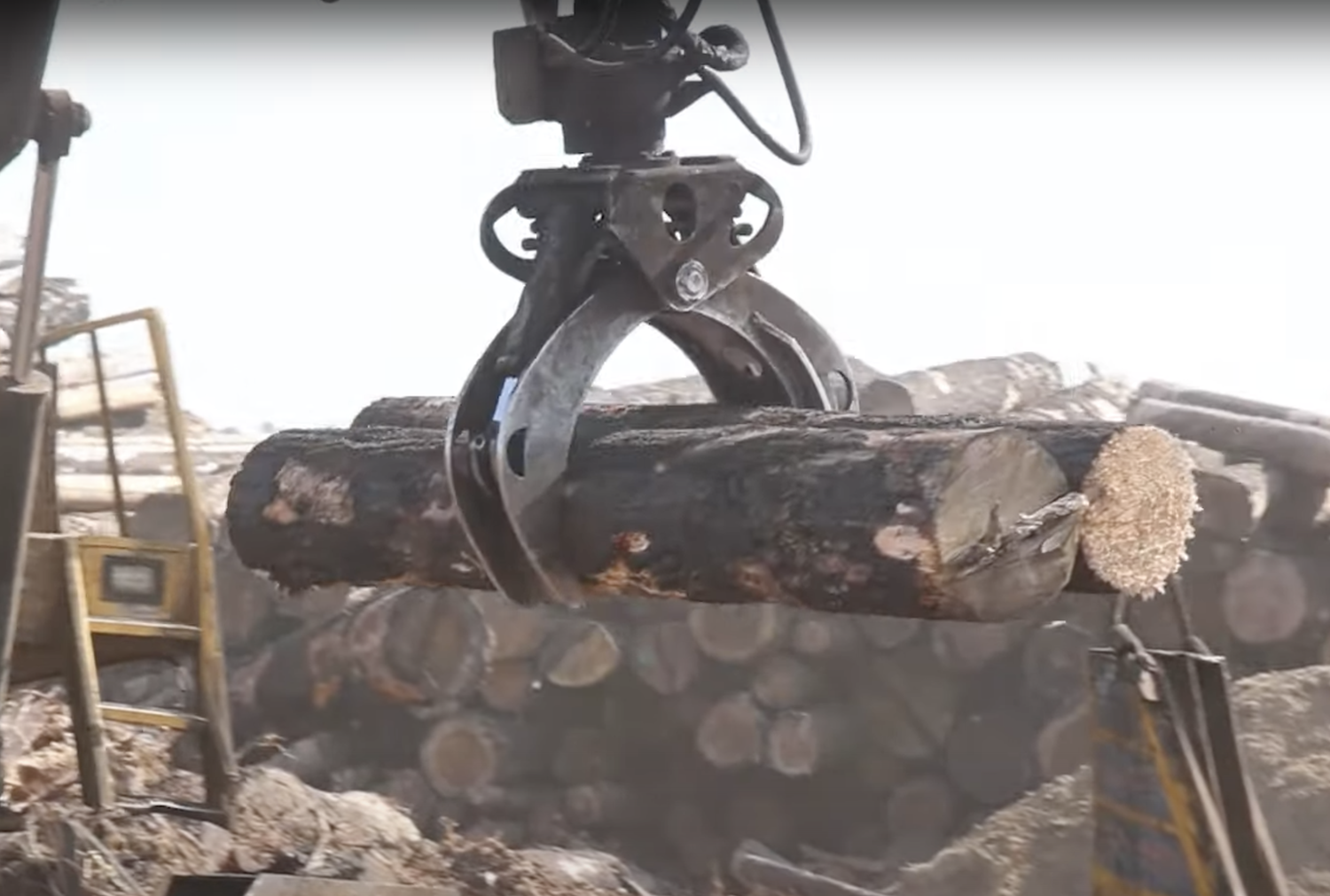
On December 7, CAL FIRE announced the Wood Products and Bioenergy Program awarded 16 projects focused on expanding workforce development and growing the businesses involved in creating healthy, resilient forests across the state as outlined in California’s Wildfire and Forest Resilience Action Plan. The awards support private businesses, non-profits, schools, and Tribes.

$287 Million Available in CAL FIRE Grants for Wildfire Prevention and Forest Health
$287 Million Available in CAL FIRE Grants for Wildfire Prevention and Forest Health
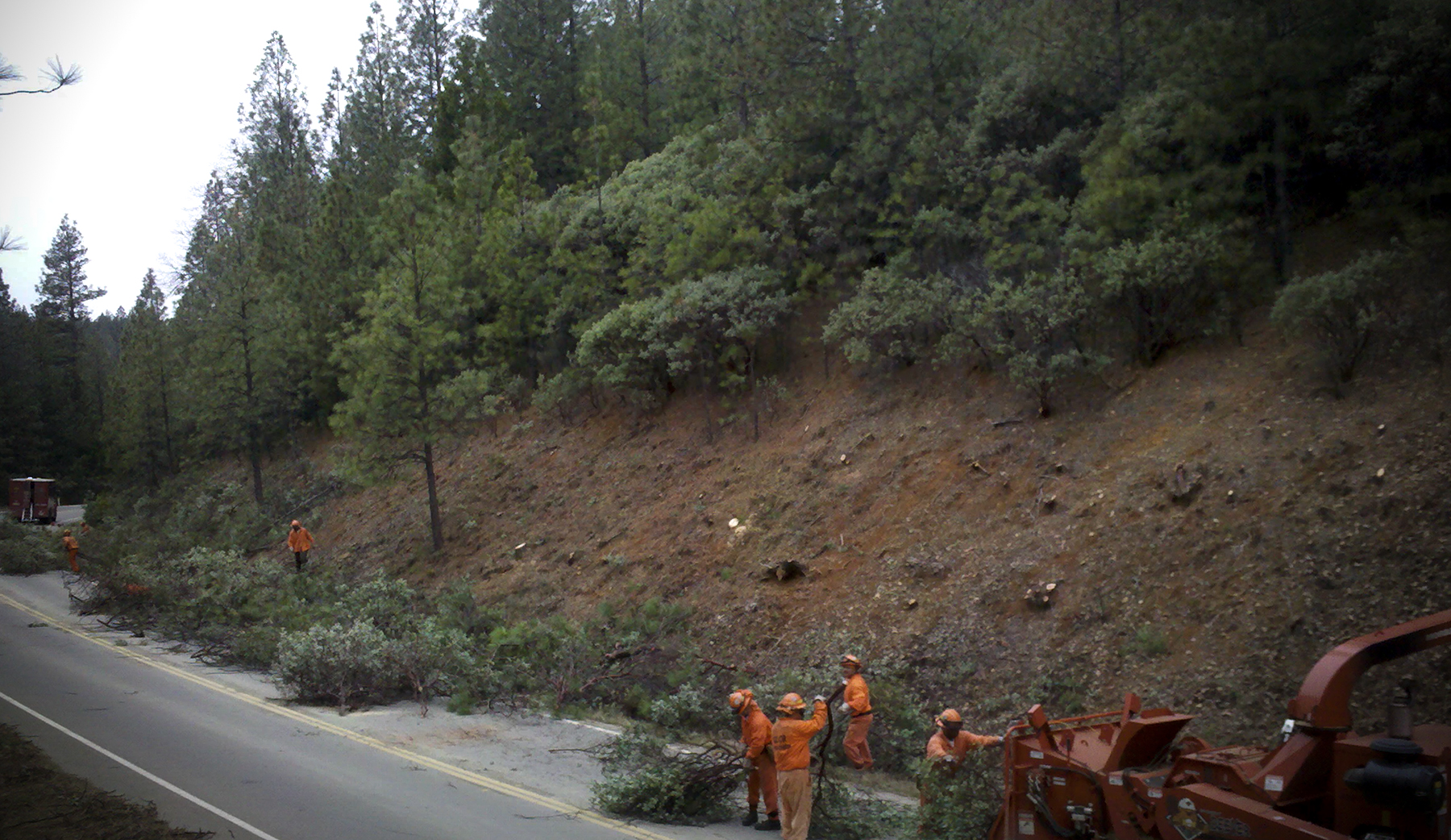
$117 million will be allocated through CAL FIRE’s Wildfire Prevention Grant Program. Awarded projects will address the risk of wildfire and reduce wildfire potential to communities. Funded activities will include hazardous fuel reduction, wildfire prevention planning, and wildfire prevention education with an emphasis on protecting communities, improving public health and safety, while reducing greenhouse gas emissions. CAL FIRE also conducted a virtual workshop (watch it here) to explain the grant process and requirements. Applications are due January 10, 2024.
$120 million for Forest Health and $50 million for Post-Fire Reforestation and Regeneration projects are open for the solicitation through CAL FIRE’s Forest Health Program. Projects are intended to proactively prevent catastrophic wildfires and restore forests to healthy, functioning ecosystems while also sequestering carbon and reducing greenhouse gas emissions. Applications are due January 15, 2024.

Statewide Set of Regional Resource Kits Completed with Release of Northern CA Region
Task Force Offers Statewide Set of Regional Resource Kits with Release of Northern CA Region
On October 5, 2023, the Task Force released its fourth and final Regional Resource Kit and Regional Profile for Northern California. This adds to the kits and profiles already available for the Sierra Nevada, Southern California, and Central California Task Force designated regions. Kits provide sets of tools and data created to accelerate the work by regional partners and collaboratives to reduce wildfire hazard and improve the conditions of forested and shrub landscapes. Regional Profiles add socio-ecological context for each region, highlight examples of current condition assessments from the associated kit, and present findings from interviews and surveys about stakeholder priorities and concerns for community and ecosystem resilience.
Grants Support Tribal-led Wildfire Resilience Projects
First-of-their-Kind Grants Support Tribal-led Wildfire Resilience Projects
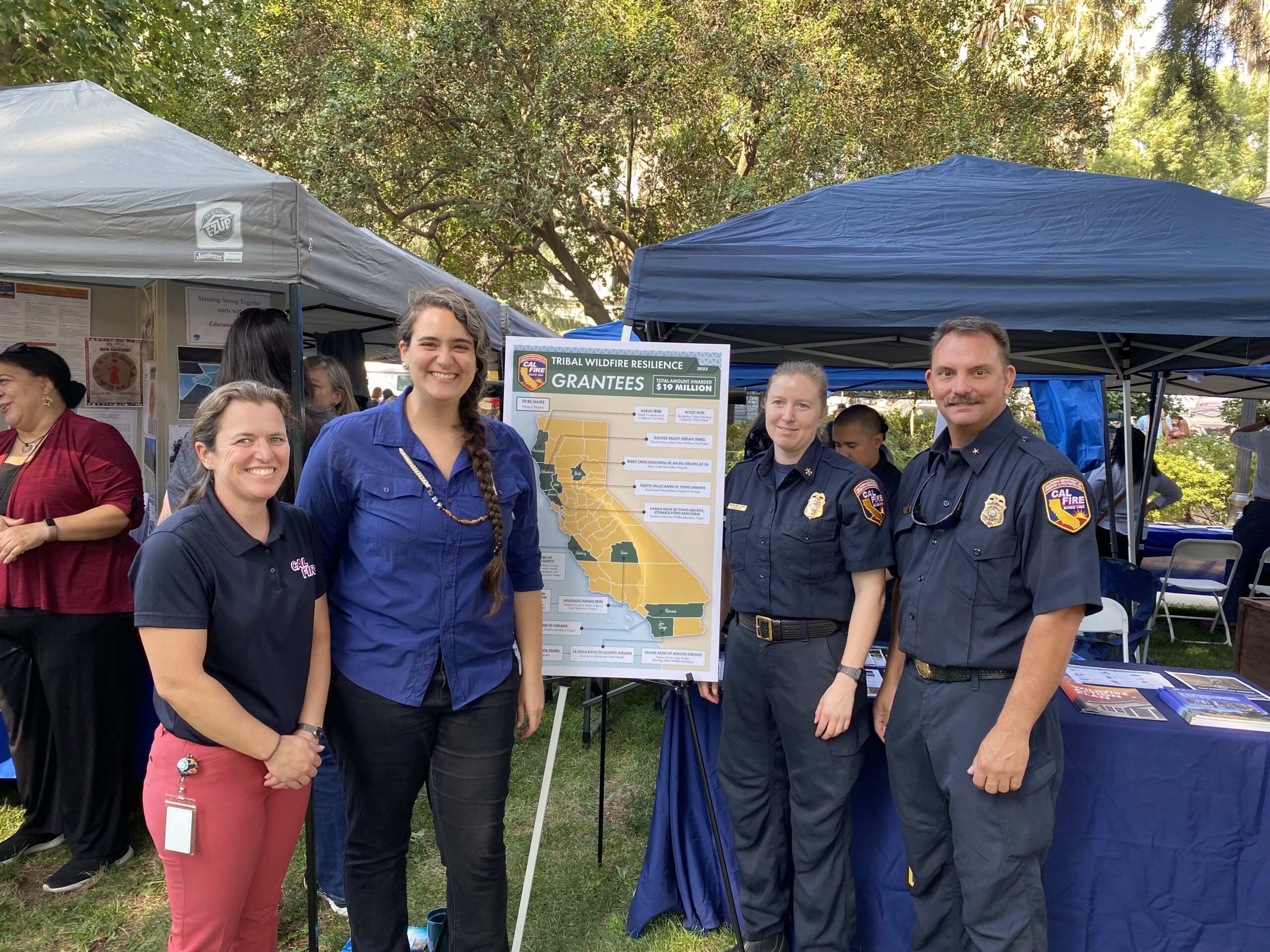
On September 22, CAL FIRE awarded $19 million for 13 projects as part of the nation-leading Tribal Wildfire Resilience Grant Program launched earlier this month. This funding supports California Native American tribes in managing ancestral lands, employing Traditional Ecological Knowledge in wildfire resilience, and improving wildfire safety for tribal and surrounding communities. Projects that will receive funding from the grants include ongoing fuels reduction projects on tribal lands, recruitment and training of tribal youth and conservation staff, and the improvement of access to and quality of traditional food and basketry materials. These projects support the promotion and innovation of tribal expertise and science to build capacity and improve wildfire resilience throughout tribal ancestral lands.

Forest Service Conducts Fuel Reduction Work in Lake Tahoe Basin
Forest Service Conducts Fuel Reduction Work in Lake Tahoe Basin
The USDA Forest Service Lake Tahoe Basin Management Unit continues cut-to-length mechanical fuels reduction (forest thinning) operations on approximately 275 acres around the Lake Tahoe Basin. This fuels reduction work is part of the NV Energy Resilience Corridors Project that aims to reduce the risk of severe wildfire and create healthier and more resilient forests.
Reclamation Continues Wildfire Prevention in Auburn Project Lands with Fuels Reduction Project
Reclamation Continues Wildfire Prevention in Auburn Project Lands with Fuels Reduction Project
The Auburn area Five-Year Fuels Reduction Project work is on schedule and the Bureau of Reclamation’s contractor, Wildfire Services Group, Inc., has completed several segments of shaded fuel break construction and maintenance work on Auburn Project Lands within the Auburn State Recreation Area in Placer and El Dorado counties.
New Online Treatment Dashboard to Track Wildfire Resilience Projects
New Online Treatment Dashboard to Track Wildfire Resilience Projects
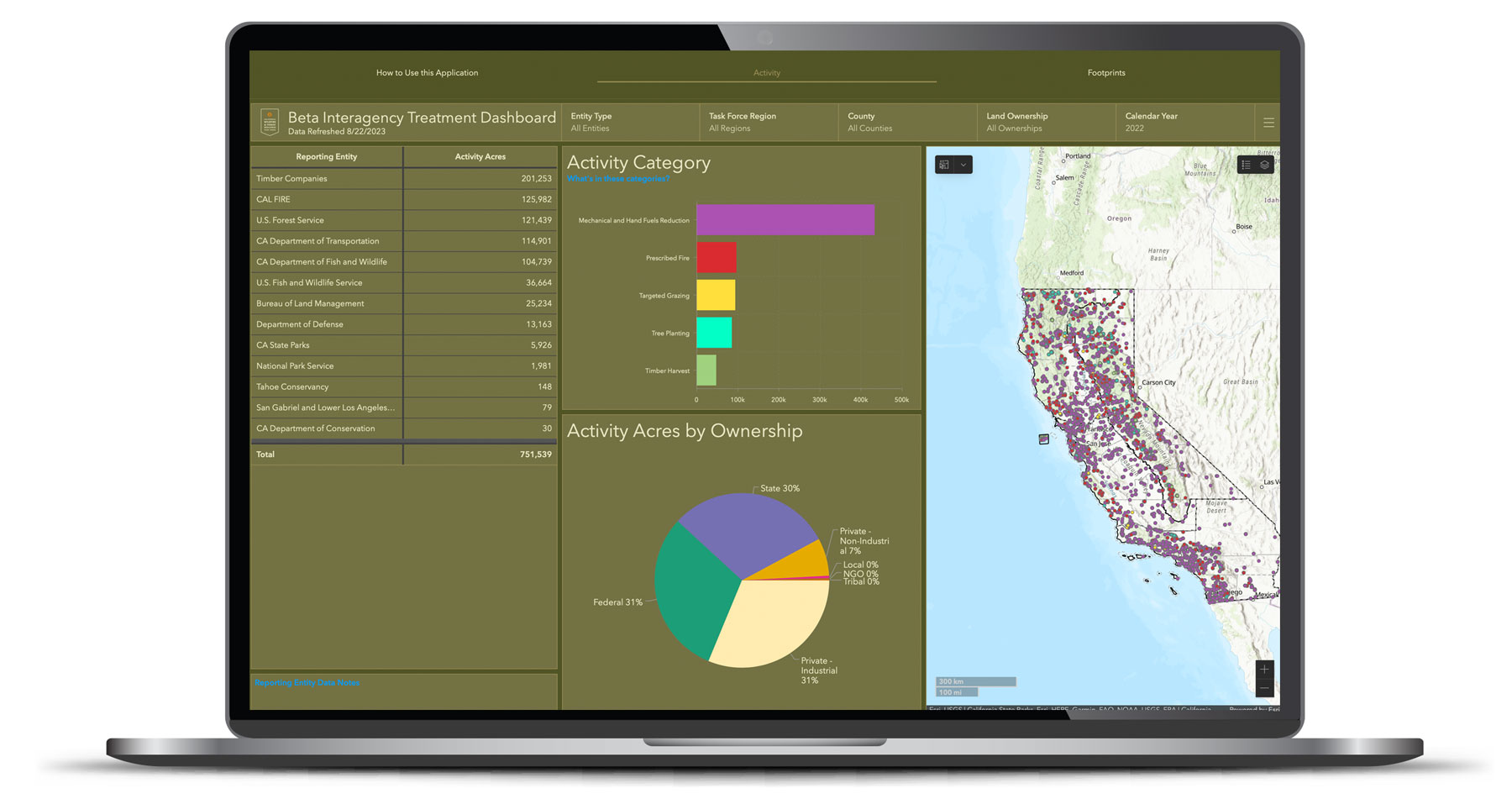
On August 29, the Governor’s Wildfire and Forest Resilience Task Force launched the beta version of a first-of-its-kind Interagency Treatment Dashboard beta that displays the size and location of state and federal forest and landscape resilience projects in California.
The dashboard offers a one-stop-shop to access data, provide transparency, and align the efforts of more than a dozen agencies to build resilient landscapes and communities in California. It reports treatment activities such as prescribed fire, targeted grazing, uneven-aged timber harvest, mechanical and hand fuels reduction, and tree planting. Users can sort treatments by region, county, land ownership and more.
The beta version of the dashboard will continue to be refined to include additional data, including projects by local and tribal entities, along with revisions based on public feedback. An official launch is expected in spring 2024 with more complete data on projects implemented in 2022.

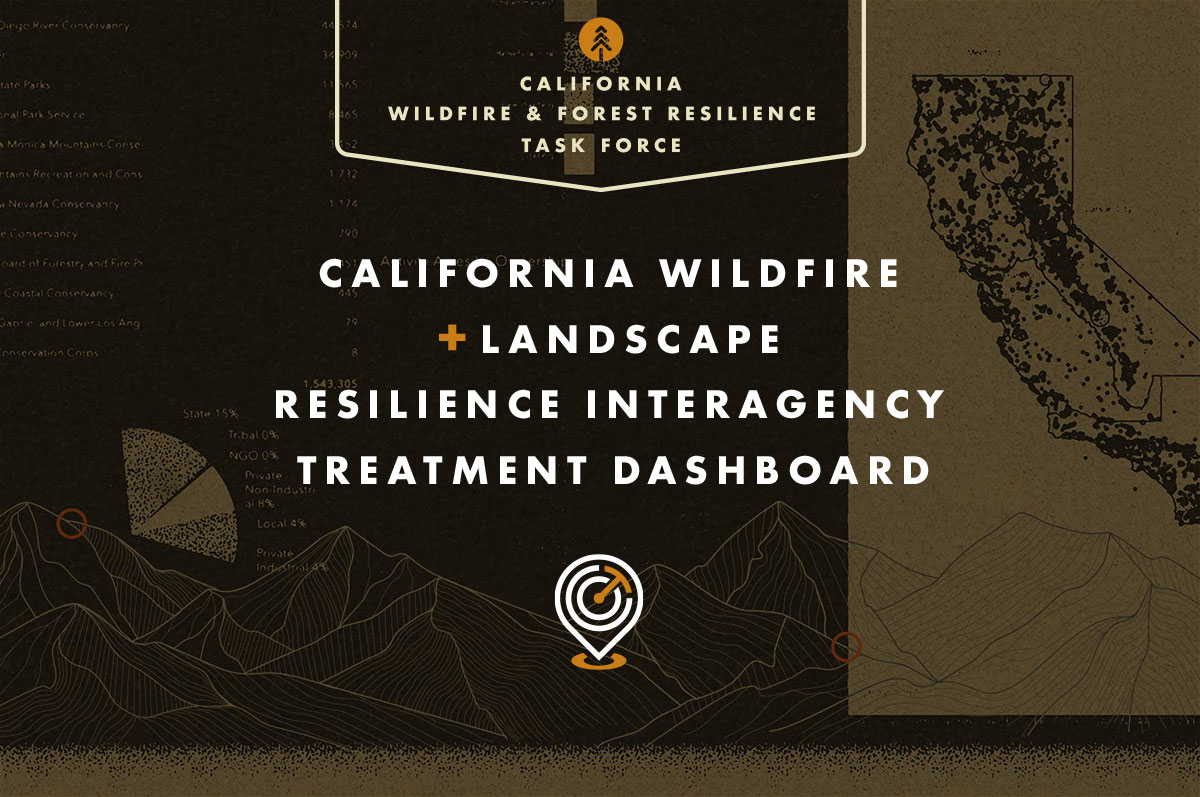
California Launches Online Tool to Track Wildfire Resilience Projects
FOR IMMEDIATE RELEASE
August 29, 2023
California Launches Online Tool to Track Wildfire Resilience Projects
New beta statewide tracking system brings local, state, and federal wildfire resiliency projects into one place to reflect significant progress.
(Sacramento, CA) – Today, the Governor’s Wildfire and Forest Resilience Task Force (Task Force) launched the beta version of a first-of-its-kind Interagency Treatment Dashboard that displays the size and location of state and federal forest and landscape resilience projects in California.
The dashboard offers a one-stop-shop to access data, provide transparency, and align the efforts of more than a dozen agencies to build resilient landscapes and communities in California. It reports treatment activities such as prescribed fire, targeted grazing, uneven-aged timber harvest, mechanical and hand fuels reduction, and tree planting. Users can sort treatments by region, county, land ownership and more.
“Thanks to historic funding from our Legislature and Governor Newsom, over 1,000 wildfire resilience projects are in motion across the state to protect communities and our diverse landscapes from catastrophic wildfire,” said California Secretary for Natural Resources Wade Crowfoot, co-chair of the Task Force. “Now we can track our progress like never before through this public Interagency Dashboard. It identifies where projects are happening, what kind of work is happening in a given location, and how much overall resilience work is being done. It’s one more step forward in building a comprehensive, durable approach to increasing our wildfire resilience in years to come.”
“This dashboard delivers a new tool for collaboration among agencies and communities,” said U.S. Forest Service Regional Forester Jennifer Eberlien, who co-chairs the Task Force with Secretary Crowfoot. “Having access to treatment information in this format will allow us to coordinate landscape scale activities aimed at restoring and enhancing ecosystem resilience.”
The dashboard compiles data from a broad range of organizations and government departments—many of which have different reporting requirements guiding how they capture information. While individual reporting tools and data will sometimes differ from this statewide snapshot, the dashboard brings these different reporting approaches together as a single and streamlined reporting tool. Key differences are addressed in the dashboard website FAQs .
“It takes everyone to create a more wildfire resilient California and this dashboard reflects the strides being made to get us there,” said CAL FIRE Director and Fire Chief Joe Tyler. “This dashboard shows how far we’ve come, the significant efforts underway, and our firm commitment to future work. As our many partners share data and outcomes to a central place, the mission of protecting communities and natural resources will remain the common thread driving our work. This new tool will also provide first responders a snapshot of where treatment has occurred to help inform fire suppression efforts.”
The dashboard is an important step to increase the pace and scale of statewide actions addressing California’s wildfire crisis and is a key deliverable of the Governor’s Wildfire and Forest Resilience Action Plan , issued by the Task Force in January 2021.
The beta version of the dashboard will continue to be refined to include additional data, including projects by local and tribal entities, along with revisions based on public feedback. An official launch is expected in spring 2024 with more complete data on projects implemented in 2022.
Contact Information:
Sky Biblin, Communications Coordinator
Governor’s Wildfire and Forest Resilience Task Force
916-502-6527
Albert Lundeen, Director of Media Relations
California Natural Resources Agency
albert.lundeen@resources.ca.gov
916-606-3990
D’Artanyan Ratley, Public Affairs Specialist
USDA Forest Service


CAL FIRE and BLM Join Forces to Work Across Jurisdictions on Forest and Fuels Management Projects
CAL FIRE and BLM Join Forces to Work Across Jurisdictions on Forest and Fuels Management Projects
Through a nationwide initiative known as the Good Neighbor Authority, CAL FIRE and the BLM have entered a statewide agreement and contract worth approximately $4.5 million, made available to CAL FIRE as part of the agreement. The primary objective of this contract is to mitigate the potential devastation caused by wildfires specifically on BLM lands. By joining forces, the agencies can pair similar goals of separate projects on adjacent or nearby lands and further reduce the risks associated with wildfires while improving overall ecosystem health.
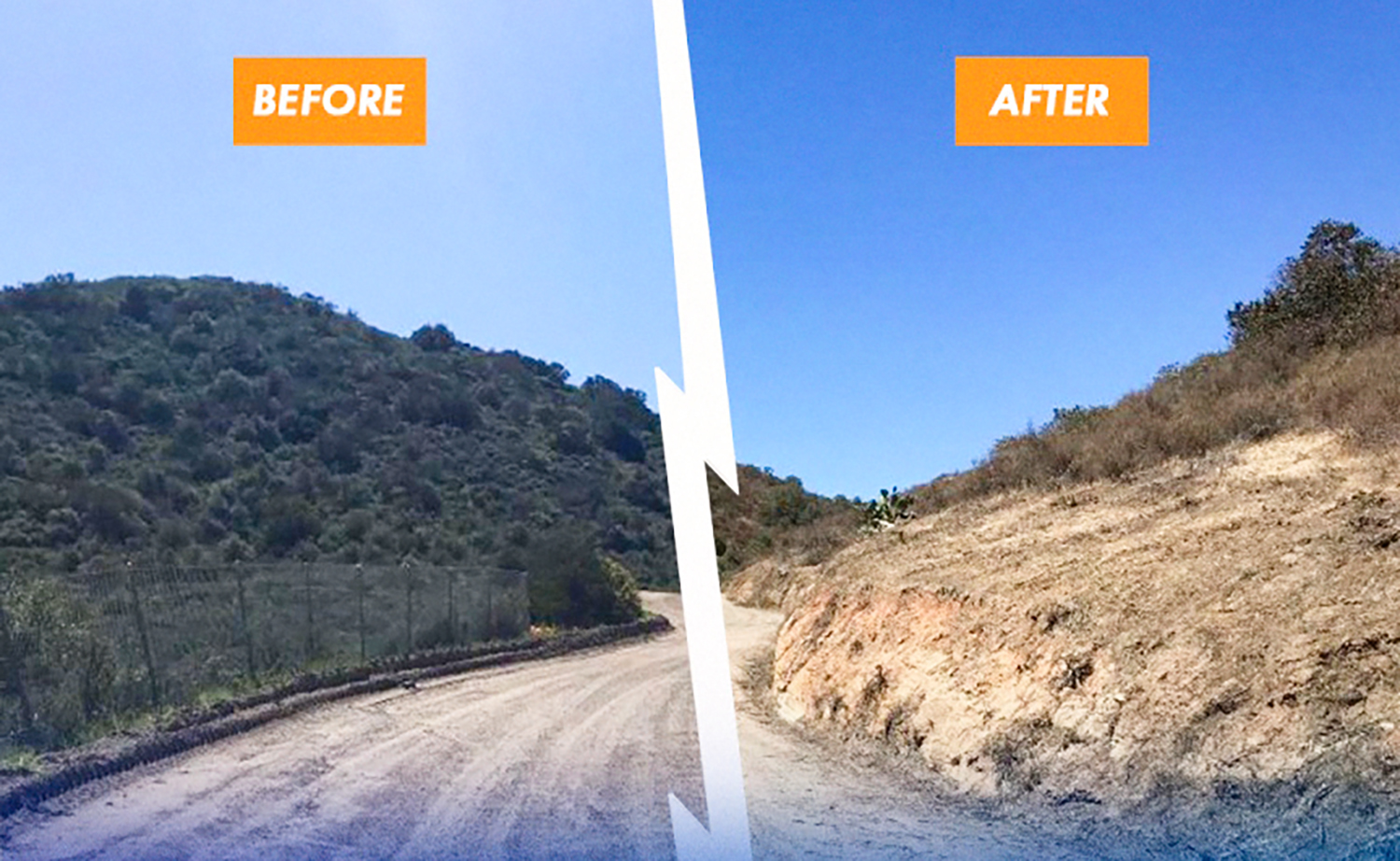
CAL Fire Awards $113 Million in Wildfire Prevention Grants
CAL Fire Awards $113 Million in Wildfire Prevention Grants
On July 27, CAL FIRE announced a $113 million investment that will help prepare communities for wildfire season, including projects that help homeowners create defensible spaces around homes, reduce overgrown vegetation, and improve evacuation routes for rural communities and more. The funding, made possible by the $52 billion California Climate Commitment budget, will support 96 wildfire prevention projects across the state – with more than 8 in 10 grants directed towards vulnerable or underserved communities.