

U.S. Department of Interior Launches U.S. Wildland Fire Service
U.S. Department of Interior Launches U.S. Wildland Fire Service
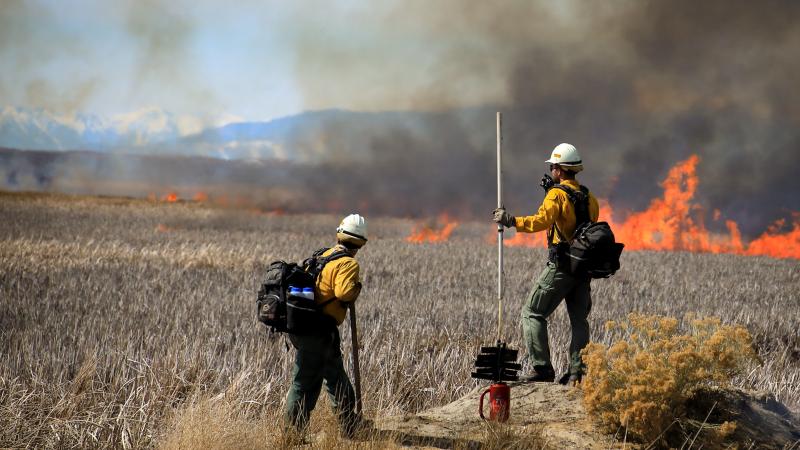
January 2026 – The U.S. Department of the Interior (DOI) established the new U.S. Wildland Fire Service, which consolidates wildland fire management across the Bureau of Indian Affairs, Bureau of Land Management, National Park Service, Office of Aviation Services, Office of Wildland Fire, and U.S. Fish and Wildlife Service, to streamline wildfire prevention, response, and recovery efforts across public lands administered by DOI. The U.S. Wildland Fire Service works to reduce wildfire risk through proactive fuels management; create fire-resilient landscapes; advance wildland fire science and technology; promote fire-adapted communities; and respond to wildfires in collaboration with the U.S. Forest Service and Tribal, state and local partners.
The new service was created following Executive Order 14308, Empowering Commonsense Wildfire Prevention and Response, which directs federal agencies to streamline and modernize wildland fire management nationwide and the DOI Secretary’s Order 3443, Elevating and Unifying DOI’s Wildland Fire Management Program, which directs the establishment of U.S. Wildland Fire Service within the Interior Department. The service will provide wildland fire management on over 500 million acres of public and Tribal lands across the nation, employ 5,780 federal wildland fire personnel annually, and supports approximately 900 tribal wildland fire personnel.

CAL FIRE and U.S. Forest Service Renew Statewide Wildfire Agreement
CAL FIRE and U.S. Forest Service Renew Statewide Wildfire Agreement
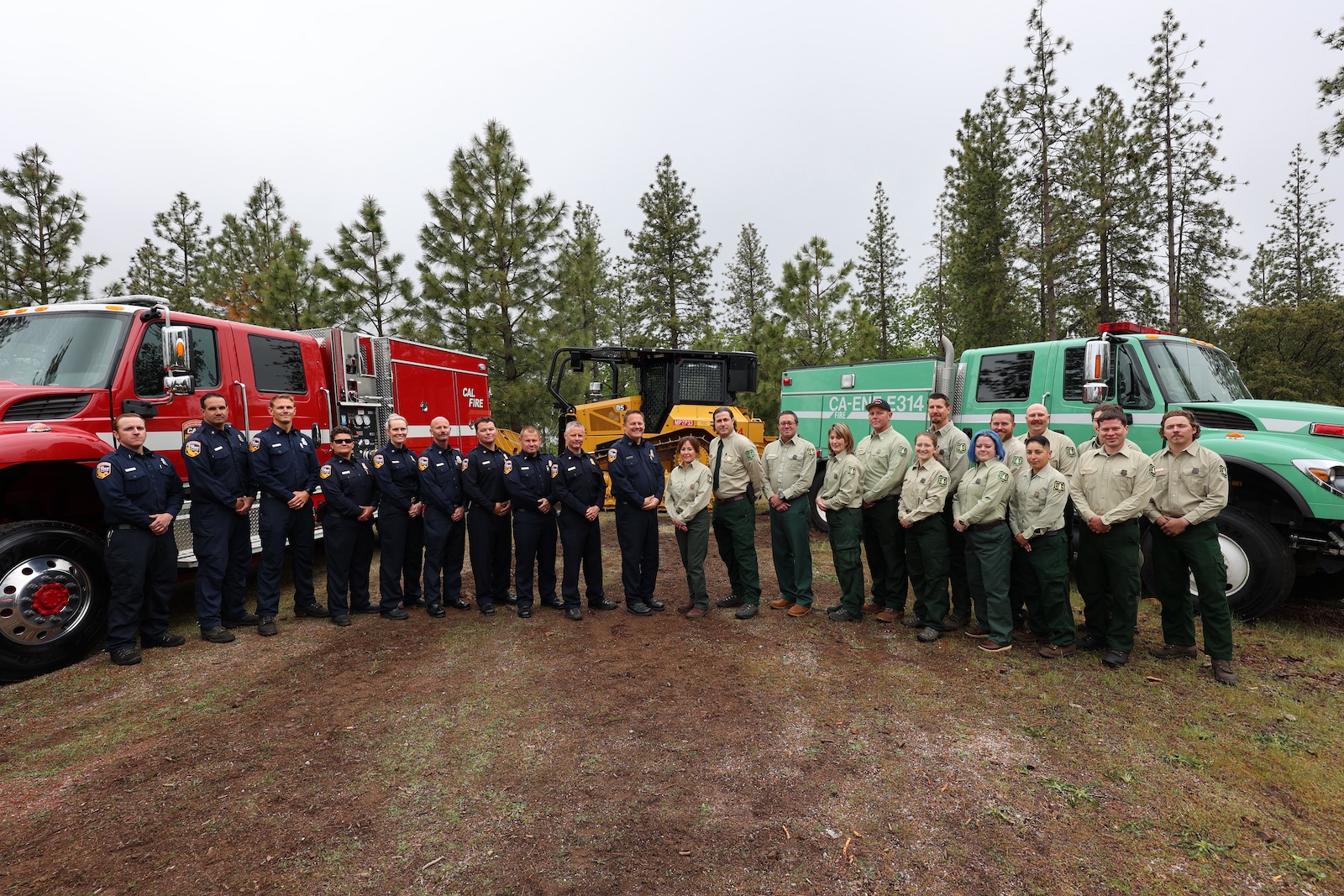
December 12, 2025 – The U.S. Forest Service Pacific Southwest Region and CAL FIRE signed a renewed California Fire Master Agreement — extending a long-standing framework for mutual wildfire response and cooperative risk-reduction work across California for the next five years. Under the agreement, Forest Service and CAL FIRE firefighters will continue operating side by side on wildfires and working together on hazardous fuels reduction projects to lower future wildfire risk. The agreement streamlines training, dispatching and the sharing of firefighting staff, facilities and equipment and prioritizes sending the closest available firefighting resources to a wildfire — regardless of jurisdiction — to better protect lives, property and natural resources.
U.S. Forest Service Invests Nearly $32 Million to Protect California Communities from Wildfire
U.S. Forest Service Invests Nearly $32 Million to Reduce Wildfire Risk in California
Over $7 Million to Increase Timber Production and Reduce Wildfire Risk:
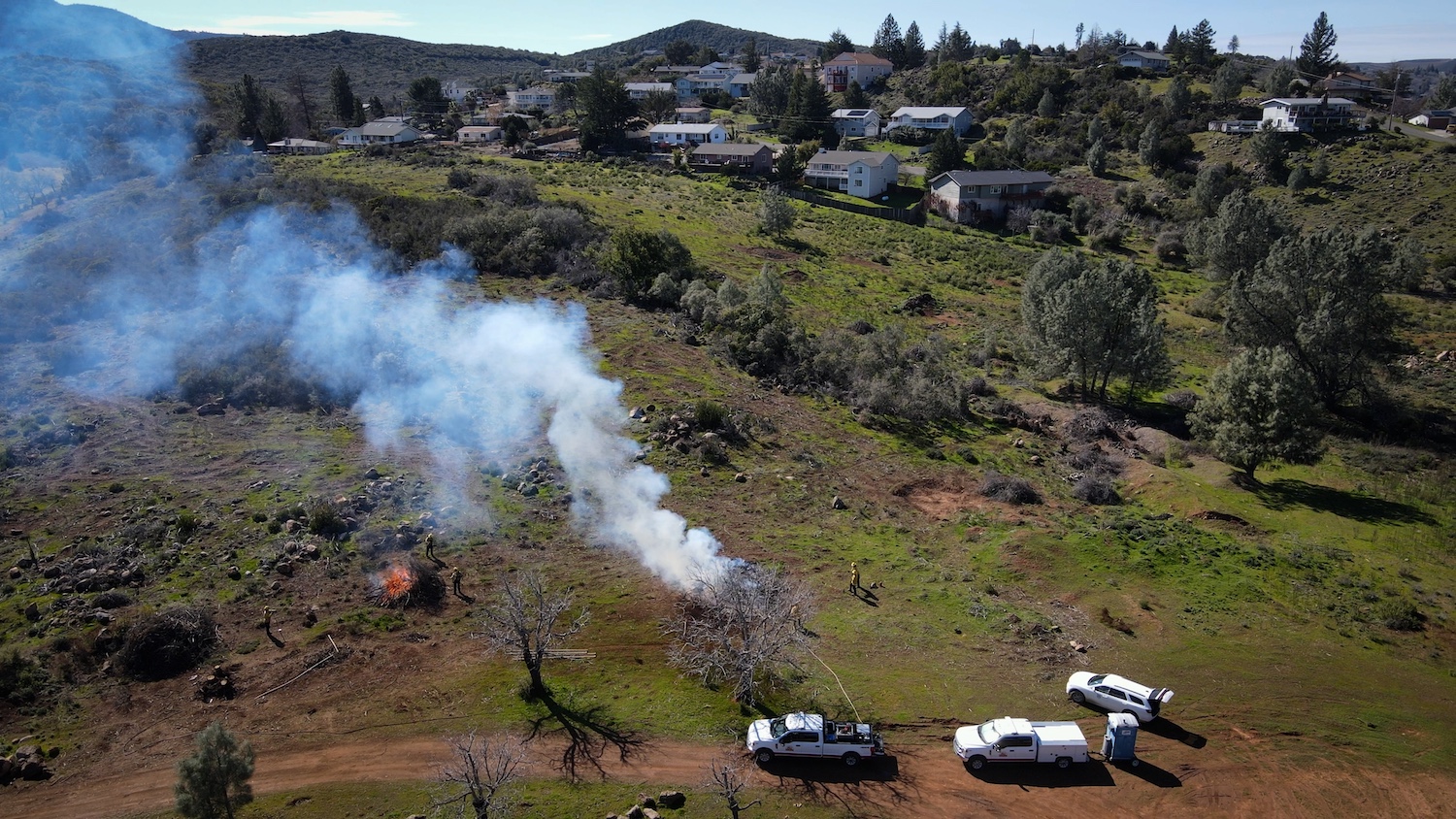
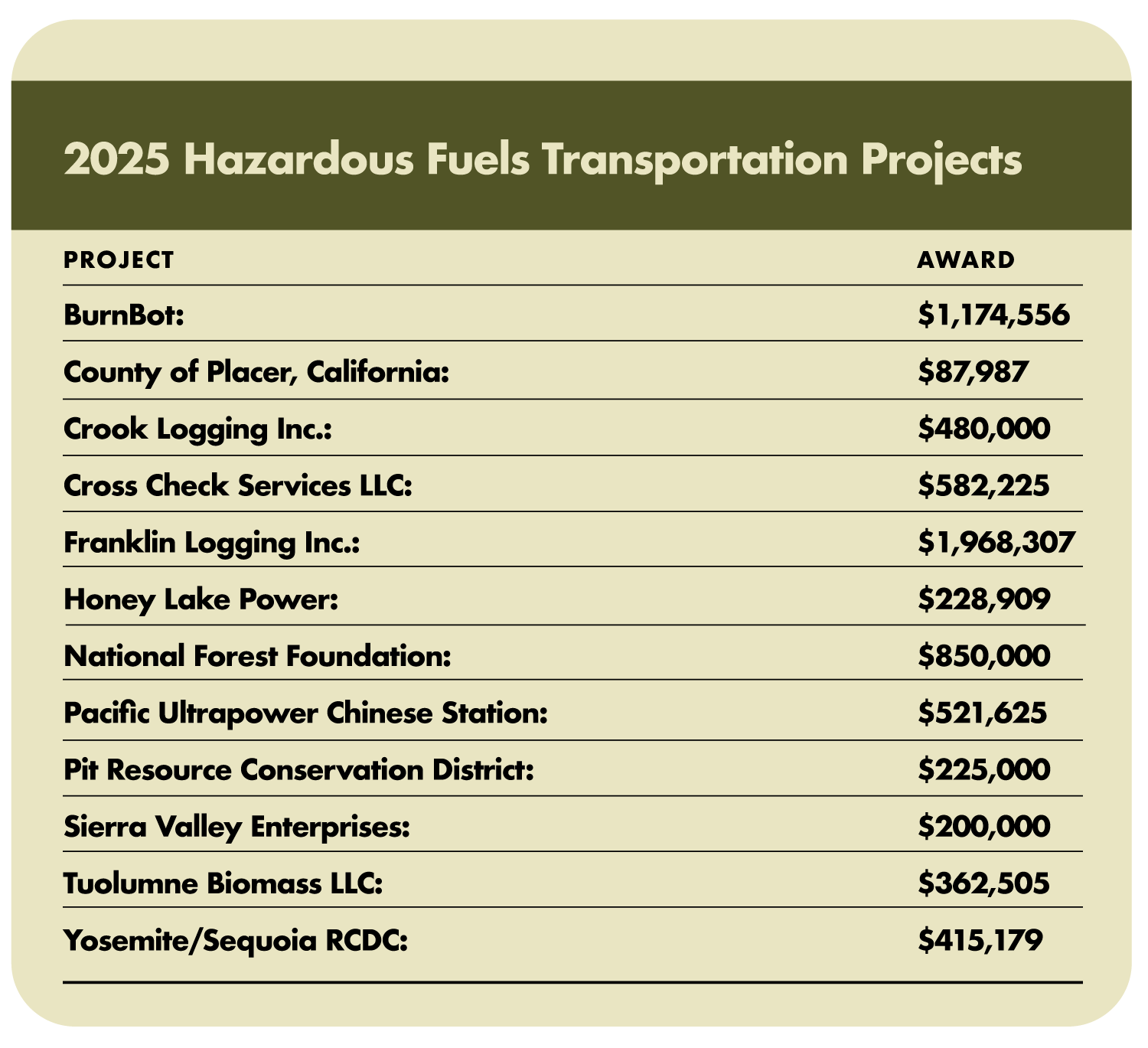
September 16, 2025 – The U.S. Forest Service announced it is investing $7.1 million for 18 projects in California. These projects are on or adjacent to 8 National Forests and will remove more than 275,000 tons of biomass that would otherwise remain in the forests. These investments into California are part of a national investment of $23 million to help 35 grant recipients remove and transport an estimated 1.1 million tons of low-value trees and woody debris from national forests to processing facilities. The grants are delivered through the agency’s Hazardous Fuels Transportation Assistance Program, which is designed to help businesses, nonprofits, and state, local, and tribal governments make use of trees, downed vegetation, and other hazardous fuels that would otherwise go to waste or fuel catastrophic wildfires. The trees and woody debris, often too low in value to cover transportation costs, are transformed from a wildfire hazard to valuable products and a source of energy.
Nearly $25 Million to Protect Communities from Wildfire:
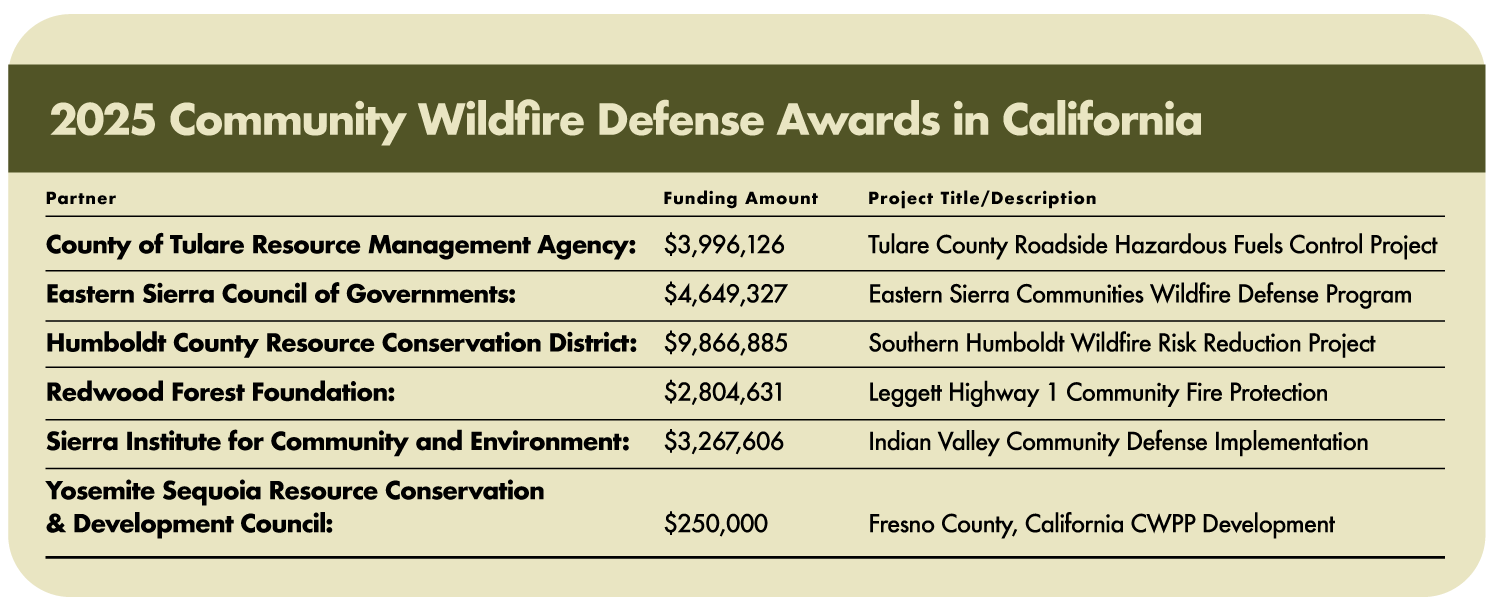
September 23,2025 – The U.S. Forest Service announced it is investing $200 million in 58 projects through its Community Wildfire Defense Grant Program. Nearly $25 million will be allocated to 6 projects that will protect communities across California. These projects are intended to help at-risk communities plan for and reduce wildfire risk, protecting homes, businesses, and infrastructure. See details on each of California’s funded projects here.
New Videos Demonstrate How Collaborative Fuels Treatments Protected Communities from 2024 Wildfires
New Videos Demonstrate How Collaborative Fuels Treatments Protected Communities from 2024 Wildfires
September 4, 2025 – One year ago, the Line Fire on the San Bernardino National Forest threatened homes, infrastructure, and lives. At the same time, wildfires on the Angeles and Cleveland National Forests, the Bridge and Airport Fires, burned nearby, posing similar threats. Thanks to advanced planning and proactive forest management across Southern California forests, fire crews were able to hold the line and protect nearby communities. The Task Force showcased these videos at its recent Inland Empire Regional Meeting in addition to featuring panels with staff that were critical to implementing these proactive life-saving projects.
Senator Padilla and Western Senators Introduce Fix Our Forests Act to Reduce Wildfire Risk
Senator Padilla and Western Senators Introduce Bipartisan Fix Our Forests Act to Reduce Wildfire Risk
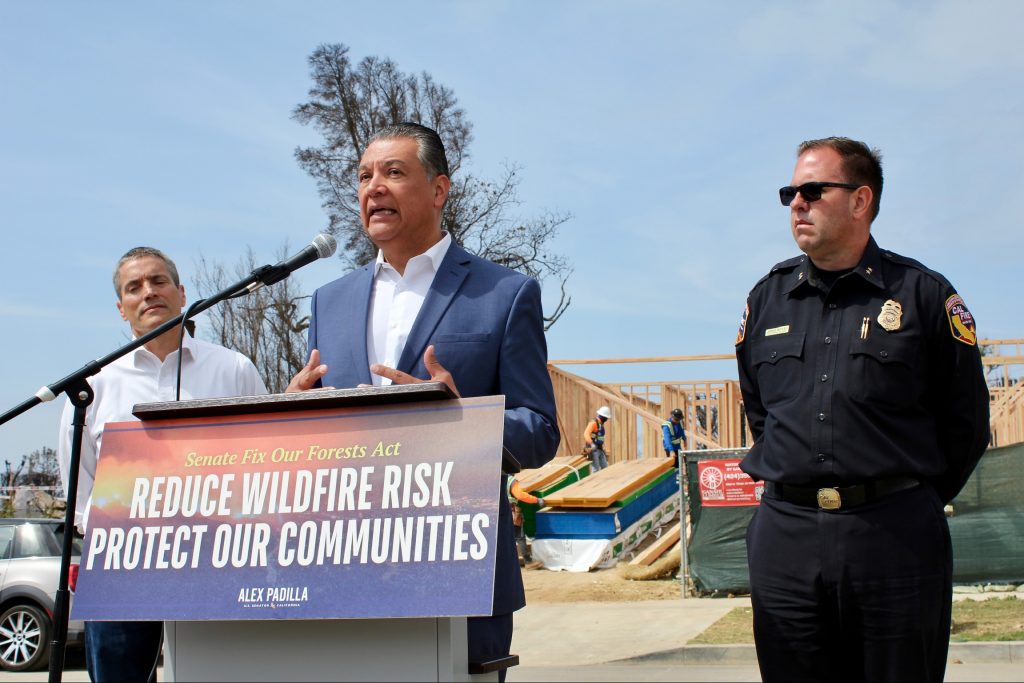
April 11, 2025 – U.S. Senator Alex Padilla (D-Calif.), co-chair of the bipartisan Senate Wildfire Caucus and Senators John Curtis (R-Utah), John Hickenlooper (D-Colo.), and Tim Sheehy (R-Mont.) introduced the Fix Our Forests Act. This bipartisan legislation aims to combat catastrophic wildfires, restore forest ecosystems, and make federal forest management more efficient and responsive. The bill reflects months of bipartisan negotiations to find consensus on how to best accelerate and improve forest management practices, streamline environmental reviews, and strengthen partnerships between federal agencies, states, tribes, and private stakeholders. Key provisions specific to California include:
-
- Establishing a Wildfire Intelligence Center to serve as a national hub for wildfire intelligence, prediction, coordination, and response. This joint office would be comprised of the Departments of Agriculture, the Interior, and Commerce that is modeled after the National Weather Service. The center would modernize and unify wildfire management by leveraging real-time data, science, and interagency collaboration to better prepare for wildfires, assist with decision-support during a crisis, inform recovery, and streamline federal wildfire response.
-
- Establishing an interagency program to coordinate federal wildfire risk reduction efforts across 10 federal agencies through research, development of fire-resistant construction standards, hazard mitigation, and public-private partnerships. The program would provide a uniform application for multiple wildfire-related grants, streamline technical assistance, and mandate coordination with non-federal stakeholders.
-
- Increasing the use of prescribed fire on both federal and non-federal lands by prioritizing large, cross-boundary projects near wildland-urban interfaces, Tribal lands, high-risk fire zones, or critical habitats. It also strengthens the prescribed fire workforce by streamlining supervisory certification requirements and enhancing interoperability between federal and non-federal practitioners.
-
- Allowing electric utilities with permits or easements on National Forest System or BLM land to cut and remove vegetation near power lines without requiring a separate timber sale (if done in compliance with applicable plans and environmental laws). If the vegetation is sold, proceeds must be returned to the federal government.
-
- Streamlining land management projects by authorizing emergency authorities to increase the pace and scale of wildfire risk reduction projects on federal land. It includes appropriate guardrails to avoid abuse of these authorities and prohibits using emergency authorities for projects not aimed primarily at reducing wildfire risk or protecting communities. This would Increase the acreage limit of streamlined projects for wildfire resilience projects, fuel breaks, and insect and disease projects from 3,000 acres to 10,000 acres.
New Report On Effects of Forest Management on Carbon Storage
New Report on Effects of Forest Management on Carbon Storage in California
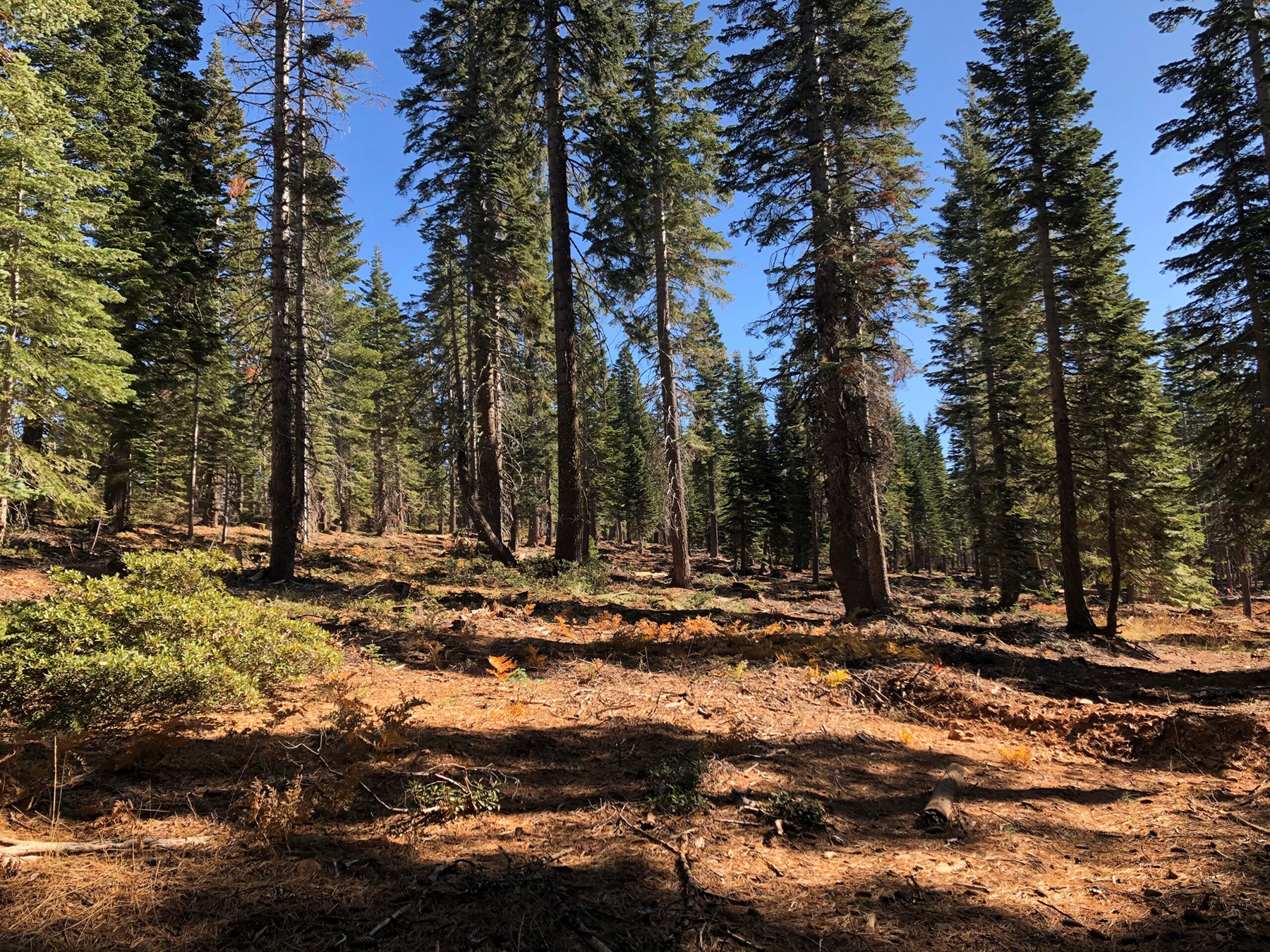
February 18, 2025 – American Forests, USFS, CAL FIRE, The Northern Institute of Applied Climate Science, and Michigan State University recently released a collaborative report on the effects of forest management and wood utilization on carbon sequestration and storage in California. The report provides comprehensive forest sector carbon modeling results, estimated treatment costs, wood product revenue, and wood processing capacity constraints for a broad range of forest management scenarios to help identify climate-smart forestry (CSF) practices. The modeling results provide information about forest climate mitigation and adaption opportunities that will be utilized to help inform the 2025 California Wildfire and Forest Resilience Task Force Action Plan
Notably, the report:
- Identifies 11 million acres in California as having high or very high wildfire hazard potential.
- Emphasizes the importance of wood utilization to improve carbon benefits.
- Predicts that under a business-as-usual scenario, California could lose up to up to 48% of forest area & 50% of forest carbon by 2071.
- Models scenarios that include a portfolio of actions that drastically reduce predicted losses to forest areas and forest carbon.

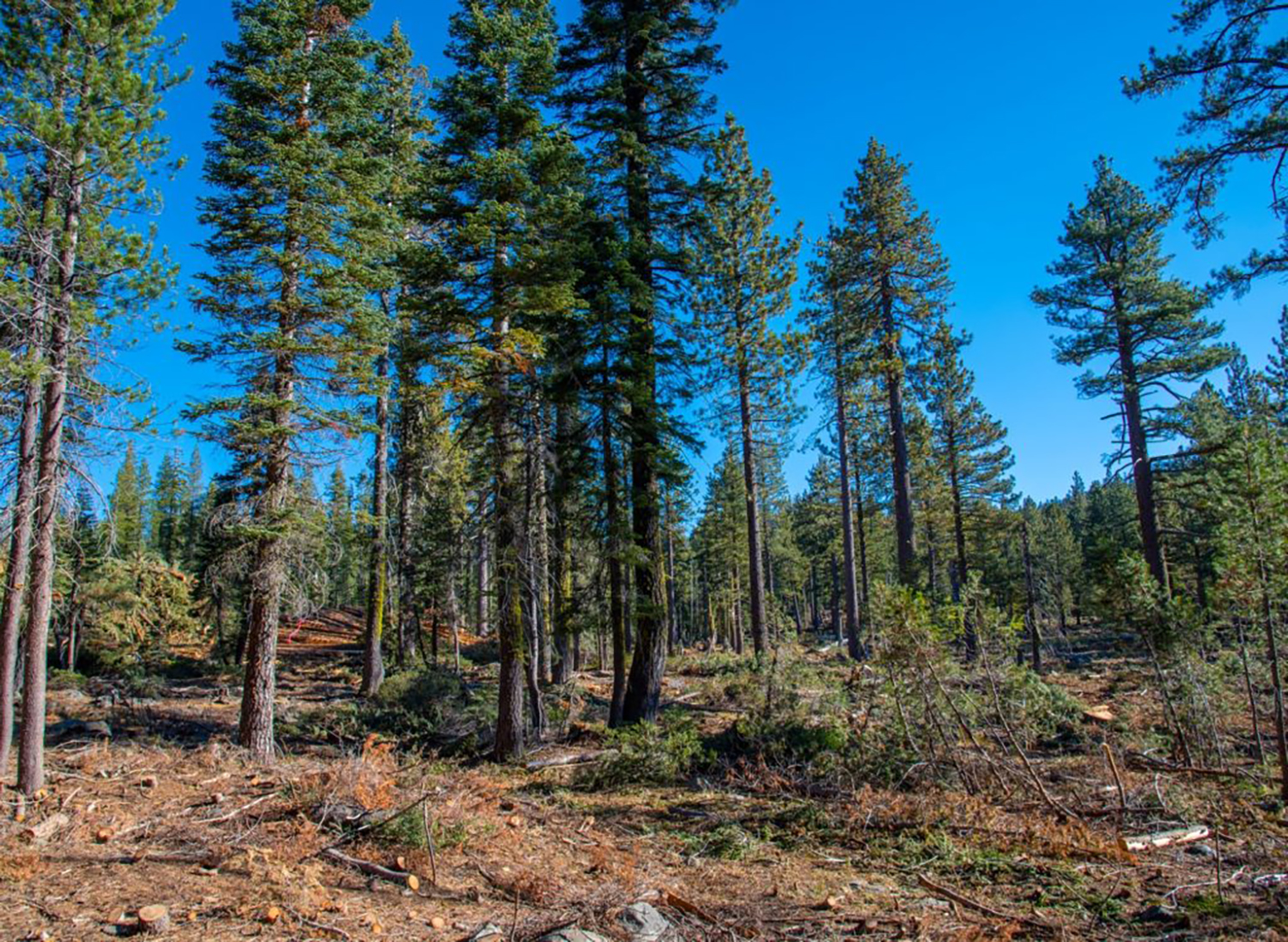
Task Force Releases 2025 Key Deliverables
Task Force Releases 2025 Key Deliverables to Outline California’s Top Priorities Underway to Increase Wildfire Resilience
March 24, 2025 – The Task Force released its 2025 Key Deliverables, which include California’s top priorities and initiatives now underway to continue promoting wildfire and community resilience across the state.
The deliverables outline the highest priority actions underway this year to achieve the commitments in the 2021 Wildfire and Forest Resilience Action Plan and to advance key new initiatives that will be highlighted in the forthcoming update of the Action Plan to be released later this year.
The deliverables focus on actions that will improve home and community wildfire resilience, expand landscape-scale resilience programs, streamline regulatory processes, expand timber production and more.
Task Force Director Patrick Wright provided an overview of the 2025 Key Deliverables during the Director’s Report at the March 27 Spring Region Meeting. Click under Resources to the see the video.
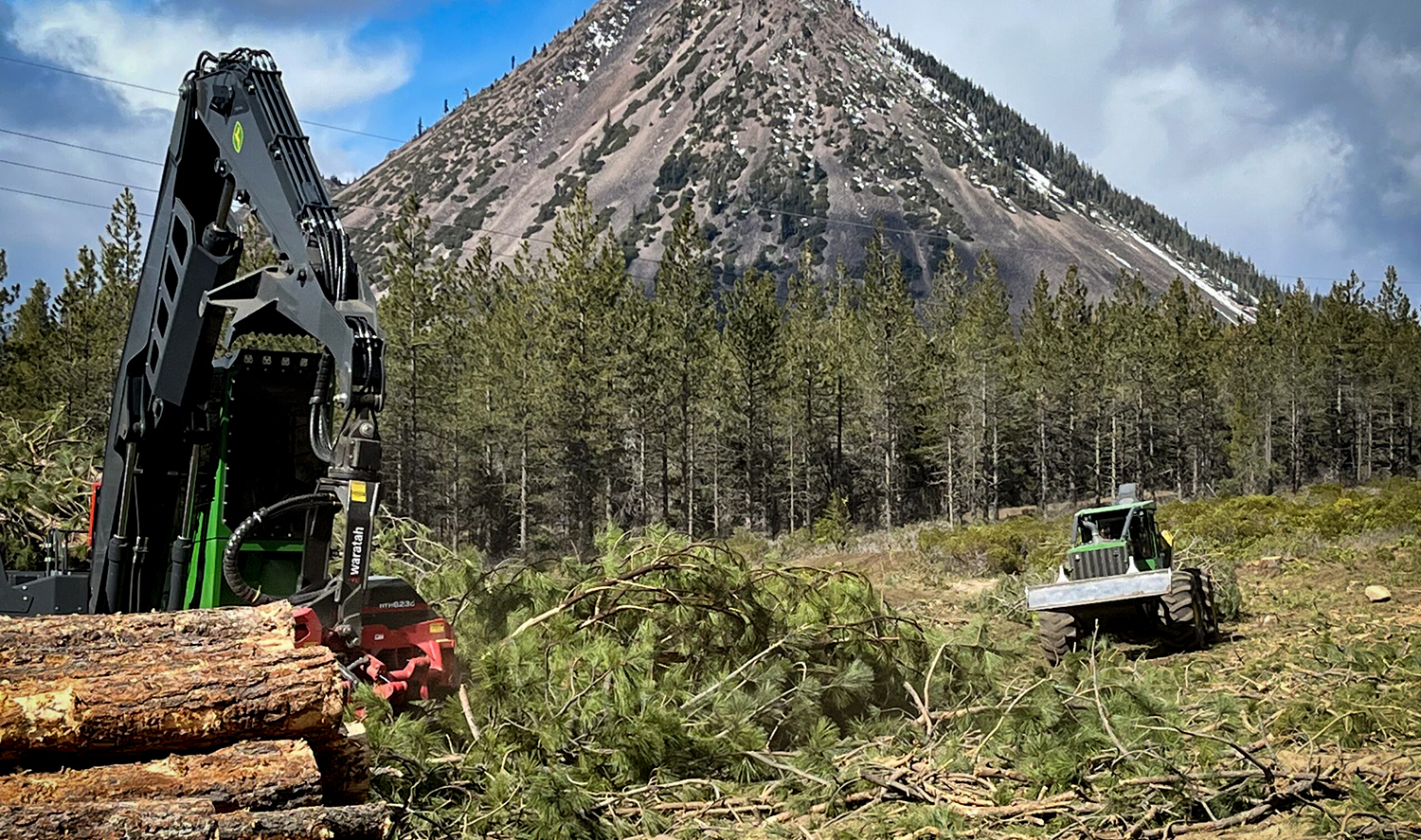
USFS Partners with Sierra Pacific Industries to Reduce Wildfire Risk
USFS Initiates New Public-Private Partnership with Sierra Pacific Industries to Reduce Wildfire Risk
February 26, 2025 – The US Forest Service announced a $75 million Stewardship Agreement with Sierra Pacific Industries for the construction and maintenance of strategically placed fuel breaks on national forests in California and Oregon. This investment significantly expands upon efforts to create a network of fuel breaks across private and federal land to protect communities, reduce wildfire risk, and promote rural prosperity. The agreement will initiate the process to develop, construct and maintain shaded fuel break projects over a three-year period in California, adding about 400 miles to the existing 2,200-mile network of interconnected fuel breaks across private and federal land. Fuel break project locations were selected in partnership with the Forest Service and CAL FIRE to protect lives, property, critical water infrastructure, and the environment.
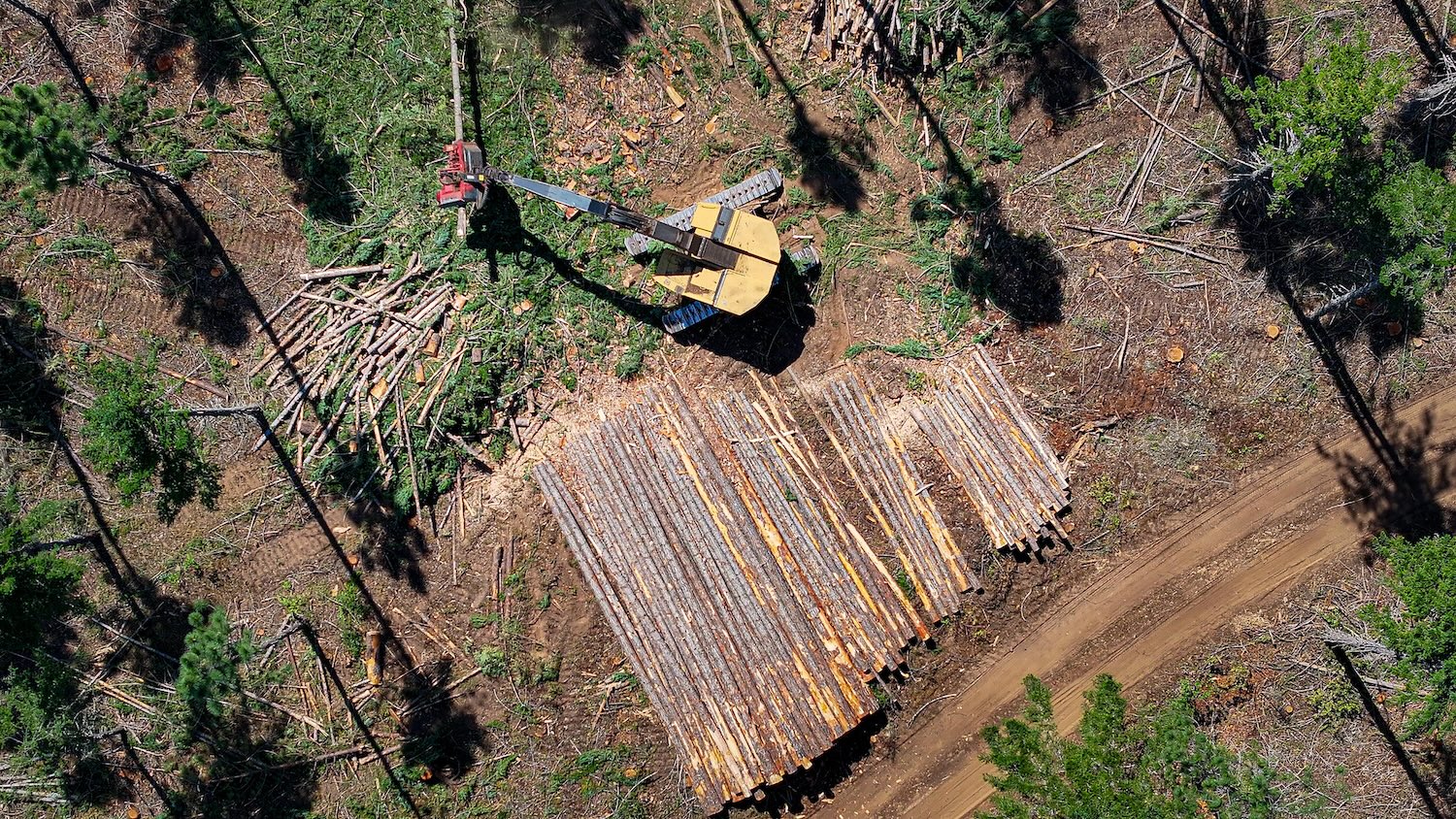
President Trump Orders Immediate Expansion of American Timber Production
President Trump Orders Immediate Expansion of American Timber Production
March 1, 2025 – President Trump signed an executive order which aims to boost domestic timber production. The order directs the Secretary of the Interior and the Secretary of Agriculture to:
- Within 30 days, issue new or updated guidance regarding tools to increase timber production, reduce time to deliver timber, and decrease timber supply uncertainty;
- Within 60 days, complete a strategy on USFS and BLM forest management projects to increase speed of approving forestry projects under section 7 of the Endangered Species Act (ESA);
- Within 90 days, set a target for the annual amount of timber per year to be offered for sale over the next 4 years;
- Within 120 days, complete the Whitebark Pine Rangewide Programmatic Consultation under section 7 of the ESA;
- Within 180 days, consider adopting categorical exclusions administratively established by other agencies to comply with the National Environmental Policy Act for timber production, forest management, and wildfire risk reduction treatments; and
- Within 280 days, consider establishing a new categorical exclusion for timber thinning and re-establish a categorical exclusion for timber salvage activities.
The order also directs all relevant agencies to eliminate all undue delays within their respective permitting processes related to timber production and use ESA regulations on consultations in emergencies to facilitate timber production. Lastly, the order directs the federal members of the Endangered Species Committee to submit a report that identifies obstacles to domestic timber production related to the ESA.
Additionally, on March 12, 2025, the U.S. EPA announced 31 actions aimed toward environmental deregulation, including reconsideration of exceptional events rulemaking to work with states to prioritize the allowance of prescribed fires within State and Tribal Implementation Plans.
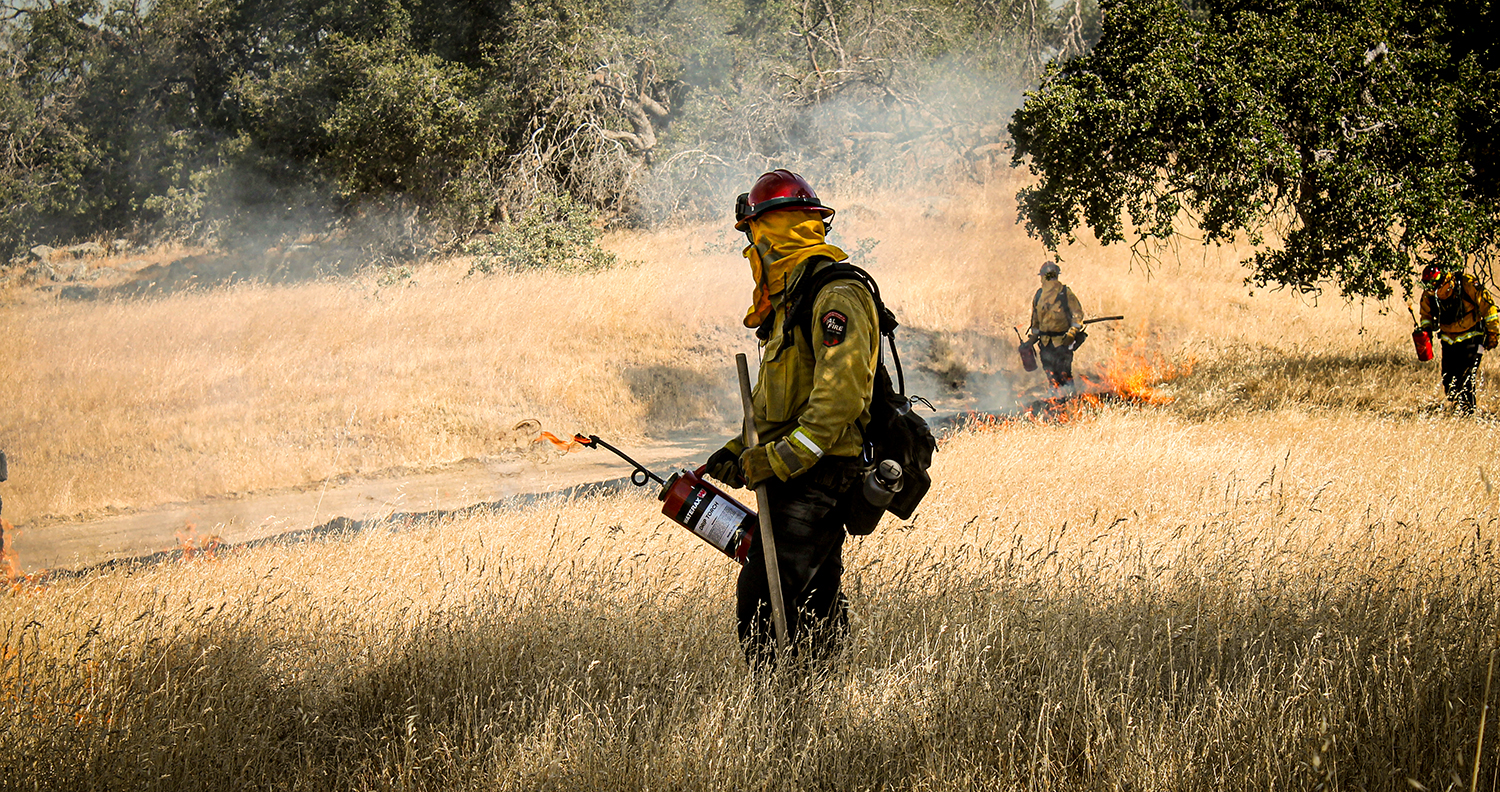
Senator Padilla Introduces Three Bipartisan Bills to Bolster Fire Resilience and Proactive Mitigation Efforts
Senator Padilla Introduces Three Bipartisan Bills to Bolster Fire Resilience and Proactive Mitigation Efforts
On February 3, U.S. Senator Alex Padilla (D-Calif.) introduced a package of three bipartisan bills to bolster fire resilience and proactive mitigation efforts. The package includes:
• Wildfire Emergency Act— Would reduce the threat of destructive wildfires through forest restoration, firefighter training, energy resilience retrofits, and wildfire-hardening home modifications in low-income communities. Specifically, the legislation would:
-
-
- provide the U.S. Forest Service (USFS) with a pilot authority to leverage private financing to increase the pace and scale of forest restoration projects;
- authorize funding for programs to expand the forest conservation and wildland firefighting workforce;
- establish an energy resilience program at the U.S. Department of Energy (DOE) to ensure that critical facilities remain active during wildfire disruptions, authorizing up to $100 million for necessary retrofits;
- expand an existing DOE weatherization grant program to provide up to $13,000 to low-income households to make wildfire-hardening retrofits;
- expedite the placement of wildfire detection equipment on the ground, such as sensors or cameras, as well as the use of space-based observation;
- establish a prescribed fire-training center in the West and authorize grants to support training the next generation of foresters and firefighters; and
- authorize up to $50 million to support community grants of up to $50,000 for locally focused land stewardship and conservation.
-
• Fire-Safe Electrical Corridors Act— Would allow the USFS to approve the removal of hazardous trees near power lines on federal lands without requiring a timber sale, thereby easing the removal of hazardous trees, and reducing the risk of catastrophic wildfire. This would allow the USFS to provide standing permission for electrical utilities to cut and remove hazardous trees near power lines within existing rights-of-way without requiring a timber sale. Utilities would be required to return any proceeds to the USFS.
• Disaster Mitigation and Tax Parity Act— Would further incentivize homeowners to proactively protect their homes from disasters by providing a tax exemption on payments from state-based programs. Specifically, the bill excludes qualified catastrophe mitigation payments made under a state-based catastrophe loss mitigation program from gross income calculations.